
In today’s fast-paced world, where technology often takes precedence in children’s lives, finding spaces that encourage physical activity and imaginative play is more important than ever. One such haven for young ones is the children’s world indoor playground. These vibrant, dynamic environments offer a multitude of benefits that support children’s physical, social, and cognitive development.
A Safe Haven for Physical Activity
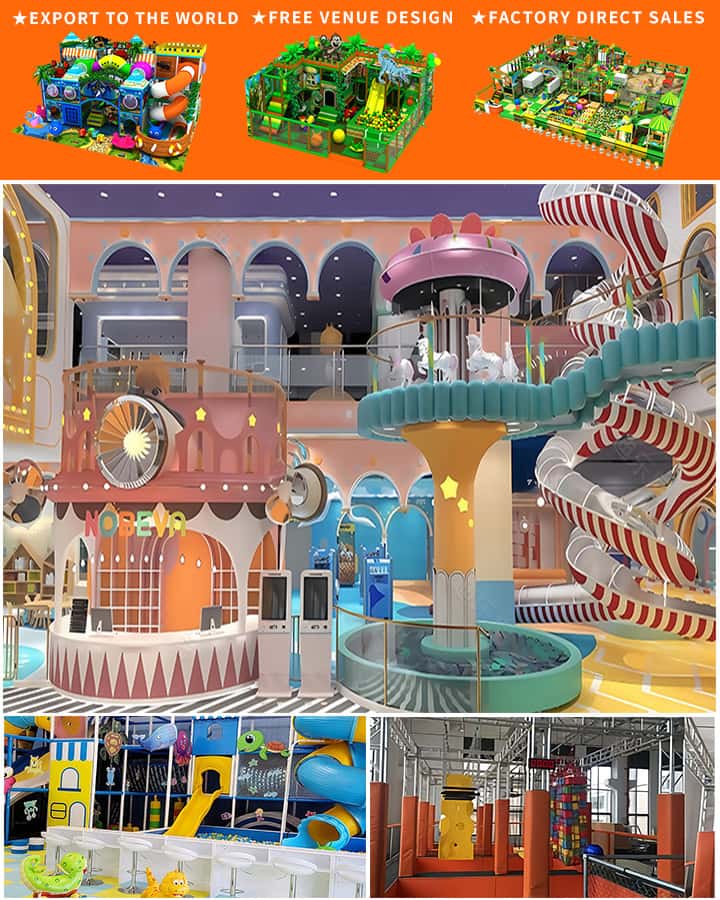
Children’s world indoor playgrounds are meticulously designed to ensure safety while offering boundless opportunities for exercise. With soft flooring and cushioned equipment, these playgrounds minimize the risk of injury, allowing children to climb, jump, and explore with confidence. The variety of structures—from slides and tunnels to climbing walls and trampolines—ensures that kids of all ages and abilities can stay active, improving their motor skills and overall fitness levels.
Stimulating Imagination and Creativity
Beyond physical health, indoor playgrounds foster creativity and imagination. Many feature themed areas that transport children to different worlds, whether it’s a pirate ship, a jungle adventure, or a space station. These immersive environments encourage role-playing and storytelling, crucial activities for developing cognitive and linguistic skills. As children navigate through obstacle courses or interact with interactive installations, they learn problem-solving and decision-making in an engaging and enjoyable context.
Social Interaction and Emotional Growth
Playgrounds serve as melting pots where children from diverse backgrounds come together, offering rich opportunities for social interaction. In indoor playgrounds, kids learn to share, collaborate, and resolve conflicts—all vital social skills. Group activities like team games or cooperative play structures help build friendships and teach empathy and cooperation. For many children, especially those who may be shy or introverted, these settings provide a comfortable space to step out of their shells and build confidence.
Parental Benefits and Peace of Mind
For parents, indoor playgrounds offer a safe and controlled environment where they can relax, knowing their children are having fun while being watched over by attentive staff and security measures. Many indoor playgrounds also have designated areas for parents to rest, grab a coffee, and even work remotely while keeping an eye on their little ones. This convenience allows for a balanced day out that caters to both children’s needs for play and adults’ requirements for supervision and relaxation.
Educational Opportunities
Modern indoor playgrounds go beyond mere play; they integrate educational elements subtly into the fun. Interactive exhibits that incorporate basic science concepts, puzzles that enhance spatial awareness, and sensory play areas that stimulate learning through touch and exploration are just a few examples. These educational components make indoor playgrounds not just a place for recreation but a complementary tool to traditional education systems.
Inclusivity and Accessibility
One of the standout features of many contemporary indoor playgrounds is their commitment to inclusivity. Specialized equipment and thoughtful design accommodate children with disabilities, ensuring that everyone can participate in and enjoy the play experience. This inclusivity promotes a sense of belonging and equality from a young age.
Conclusion: A World of Fun and Learning
Children’s world indoor playgrounds are more than just fun spaces; they are essential venues for physical health, creativity, social development, and educational growth. By providing a safe, stimulating, and inclusive environment, these playgrounds enrich children’s lives and offer parents peace of mind. In a world increasingly dominated by screens and structured schedules, indoor playgrounds serve as magical realms where children can explore, learn, and grow—both physically and emotionally.