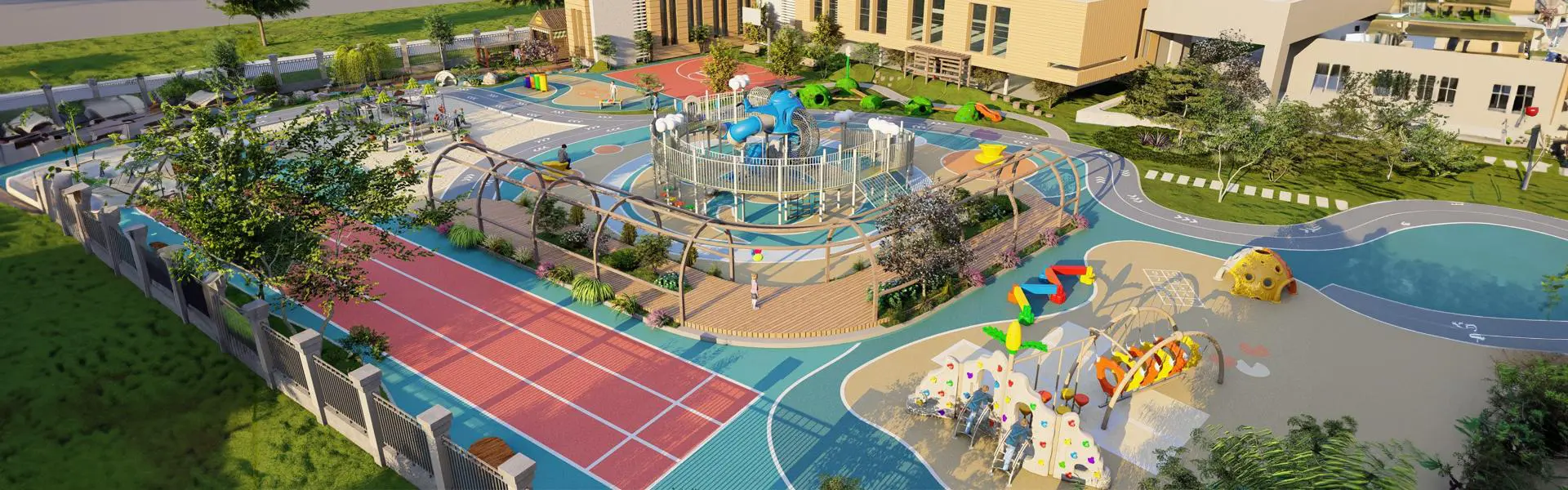
Opening a kids’ indoor playground can be a highly rewarding venture both financially and personally. With the right approach, careful planning, and attention to detail, your business has the potential to become a beloved community space. Here’s a detailed guide on creating a solid business plan for a kids’ indoor playground.
Executive Summary
Your business plan should start with an executive summary, which provides a brief overview of your proposed indoor playground. This section should highlight your vision, mission, and primary goals. It should also include essential details such as the location, target market, unique selling proposition (USP), and financial forecasts.
Market Analysis
Understanding your market is crucial. Conduct thorough research to identify your target demographics, local demand, competition, and industry trends. Key factors to consider include:
- Demographics: Age groups, average income levels, and family structures in your area.
- Local Demand: Assess the level of interest in indoor play facilities in your community.
- Competition: Analyze existing indoor playgrounds, their strengths, weaknesses, and how you can differentiate your business.
- Industry Trends: Stay updated on the latest trends in children’s entertainment and safety standards.
Services & Offerings
Outline the services and offerings that will attract families to your indoor playground. Your offerings might include:
- Play Areas: Various themed zones like adventure zones, ball pools, climbing structures, and interactive games.
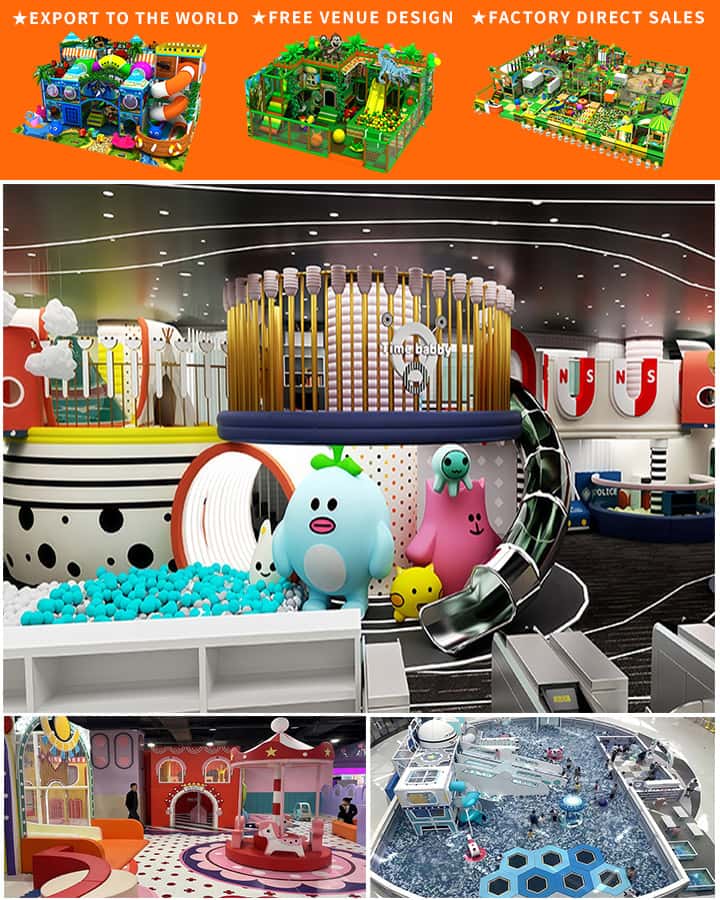
- Parties & Events: Facilities for hosting birthday parties, group events, and special occasions.
- Classes & Workshops: Organize educational or skill-building workshops like craft sessions, mini-gym classes, or science experiments.
- Cafeteria/Snack Bar: Serve healthy snacks and refreshments for both kids and parents.
Marketing Strategy
A robust marketing strategy will help create buzz around your new indoor playground. Consider incorporating various channels such as:
- Digital Marketing: Utilize social media, SEO, email marketing, and online advertisements to reach a broader audience.
- Local Advertising: Place ads in local newspapers, magazines, and community boards.
- Partnerships & Sponsorships: Collaborate with schools, local businesses, and community centers for promotional activities.
- Open House Events: Host grand opening events with free trial days, discounts, and giveaways to attract initial visitors.
Operational Plan
The operational plan should outline the logistical aspects of running your indoor playground. Key components include:
- Location: Choose a strategic location with high visibility and easy accessibility. Consider the size of the facility, parking availability, and proximity to your target demographic.
- Layout Design: Design an engaging and safe environment that maximizes fun while adhering to safety standards. Work with professional architects and interior designers if needed.
- Equipment & Maintenance: Invest in high-quality, age-appropriate equipment and establish a regular maintenance schedule to ensure safety and longevity.
- Staffing: Hire trained staff capable of supervising play areas, handling customer service, and managing events. Prioritize hiring individuals who are passionate about working with children.
Financial Plan
Creating a detailed financial plan is essential for securing funding and ensuring the profitability of your business. Include the following elements:
- Startup Costs: Outline initial expenses such as leasing or purchasing property, renovation costs, buying equipment, and initial marketing expenditures.
- Operating Expenses: Account for ongoing costs including salaries, utilities, insurance, supplies, and maintenance.
- Revenue Streams: Detail potential sources of revenue like daily admissions, party bookings, membership fees, and snack bar sales.
- Break-even Analysis: Determine the point at which your business will cover all its expenses and begin to turn a profit.
Risk Management
Identifying potential risks and having strategies to mitigate them is vital for long-term success. Common risks include:
- Safety Concerns: Implement strict safety protocols and conduct regular risk assessments.
- Economic Downturns: Have contingency plans in place for economic fluctuations affecting consumer spending.
- Competition: Continuously innovate and improve your offerings to stay competitive.
Conclusion
Launching a kids’ indoor playground requires thoughtful planning, dedication, and a passion for creating joyful experiences for children. By following this comprehensive business plan, you’ll be well-equipped to navigate the challenges and capitalize on the opportunities in this thriving industry. Remember, the key to success lies in understanding your market, delivering exceptional value, and continually adapting to meet the needs of your community. Good luck with your indoor playground venture!