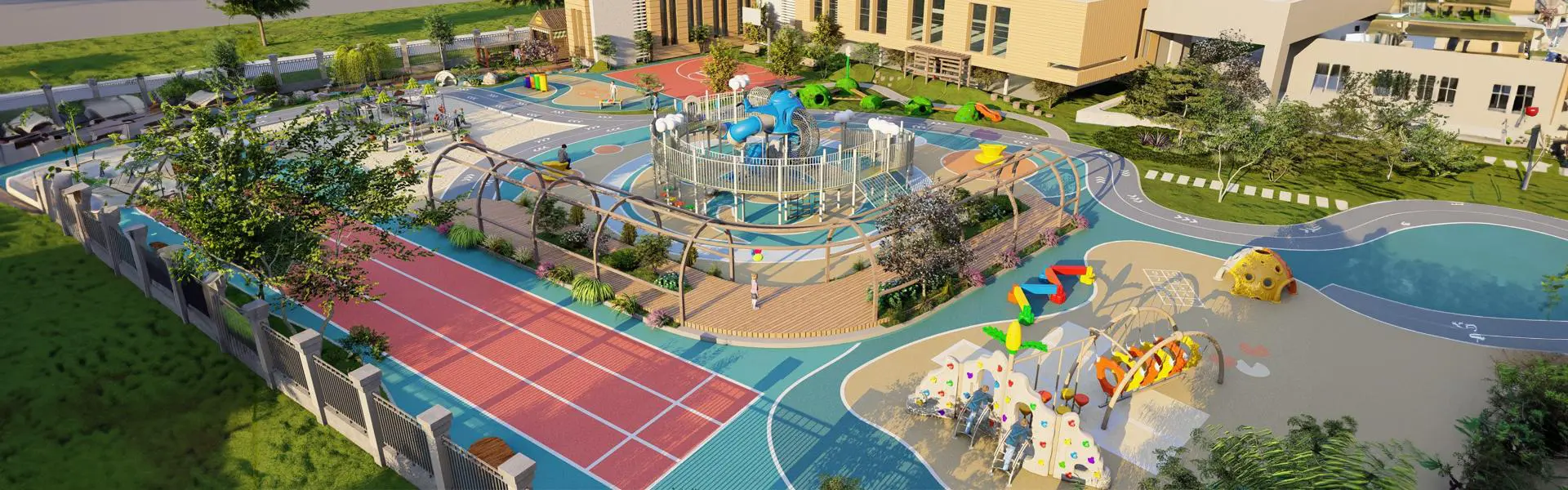
Creating the perfect outdoor playground for kids is an exciting venture that promises hours of fun, physical activity, and endless memories. Whether you are a parent, a community organizer, or someone who just loves to see children play, choosing the right outdoor playground equipment is crucial. In this ultimate guide, we will explore the various types of playground equipment available, their benefits, safety considerations, and tips on how to create an engaging and safe play environment for children.
Types of Outdoor Playground Equipment
1. Swings: Swings are a classic piece of playground equipment loved by children of all ages. They provide an exhilarating experience as kids soar through the air, improving coordination and balance. Choose from single swings, baby swings, and group swings to accommodate different age groups and preferences.
2. Slides: Slides come in various sizes and designs, making them suitable for kids of different ages. From simple straight slides to more adventurous spiral and tunnel slides, these pieces bring joy and excitement to any playground. Be sure to select a slide with a gentle slope and sturdy handrails for added safety.
3. Jungle Gyms: Jungle gyms, also known as climbers, are fantastic for developing children’s motor skills and strength. These structures often include ladders, bars, and platforms that challenge kids to navigate them using their problem-solving abilities. Look for jungle gyms made of durable materials like high-quality plastic or metal.
4. See-Saws: See-saws encourage teamwork and social interaction as kids take turns going up and down together. Modern see-saws come with safety features, such as adjustable seats and non-slip surfaces, to ensure a secure experience.
5. Merry-Go-Rounds: Merry-go-rounds offer a delightful spinning experience. They can be used individually or with friends, promoting social play while enhancing balance and core strength. Ensure that the merry-go-round is stable and has a protective barrier to prevent falls.
6. Sandbox and Dig Areas: Sandboxes and dig areas stimulate creativity and tactile exploration. Children can build sandcastles, dig for “treasure,” and engage in imaginative play. It’s essential to choose non-toxic, fine sand and cover the area when not in use to keep it clean and free of debris.
7. Climbing Walls:
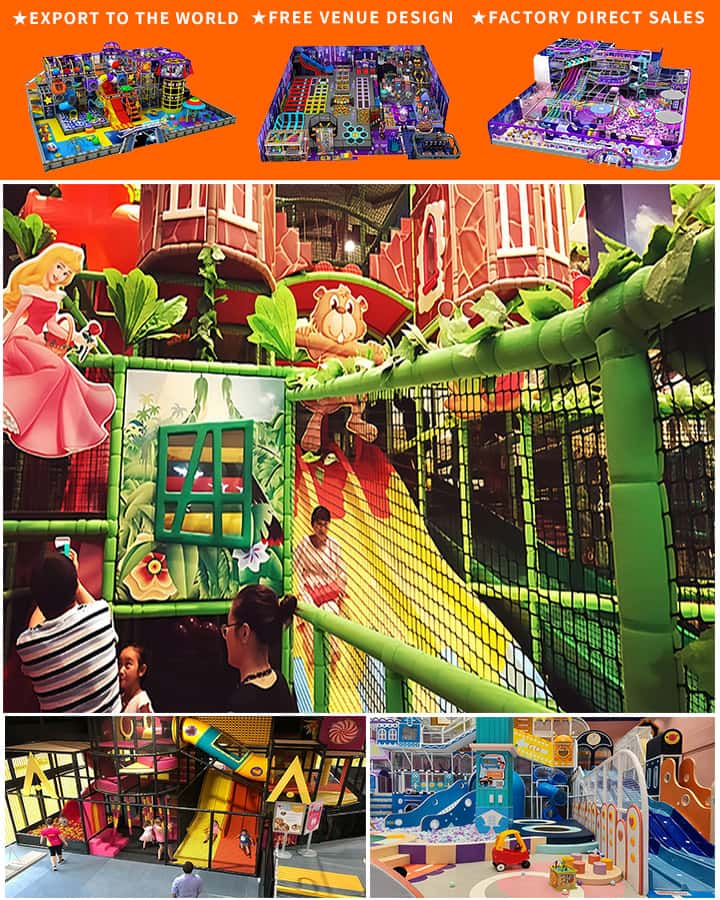 Climbing walls are excellent for building confidence, coordination, and upper body strength. They come in various heights and levels of difficulty, allowing kids to challenge themselves at their own pace. Safety measures like cushioned mats below the wall and secure handholds are critical.
Benefits of Outdoor Playground Equipment
Outdoor playground equipment offers numerous benefits for children’s physical, mental, and social development:
Physical Health: Playing on playground equipment involves running, jumping, climbing, and other activities that promote cardiovascular health, muscle development, and overall fitness.
Motor Skills: Equipment like jungle gyms, seesaws, and swings improve coordination, balance, and spatial awareness, essential skills for everyday activities.
Social Interaction: Playgrounds provide opportunities for children to interact with their peers, fostering friendships and teaching valuable social skills like sharing and cooperation.
Imagination and Creativity: From pretending to be pirates on a jungle gym to constructing elaborate sandcastles, playgrounds inspire creativity and imaginative play.
Safety Considerations
Safety is paramount when selecting and installing playground equipment. Here are some key considerations:
Quality Materials: Choose equipment made from durable, weather-resistant materials to ensure longevity and safety. Non-toxic finishes and smooth edges are important for preventing injuries.
Appropriate Age Range: Select equipment suitable for the age range of the children who will be using it. This ensures that the equipment is both challenging and safe.
Proper Installation: Ensure equipment is installed correctly according to manufacturer guidelines. Professional installation may be necessary for larger or more complex structures.
Maintenance: Regularly inspect playground equipment for wear and tear, loose parts, and sharp edges. Prompt repairs and maintenance will help prevent accidents.
Supervision: Adult supervision is crucial, especially for younger children. Keep an eye on the playground to ensure that rules are followed and potential hazards are promptly addressed.
Tips for Creating an Engaging Playground
1. Diverse Equipment: Incorporate a variety of equipment to cater to different interests and age groups. This keeps the playground interesting and inclusive for all children.
2. Natural Elements: Integrate natural elements like grass, trees, and water features to create a more stimulating environment. Natural landscapes encourage exploration and sensory experiences.
3. Shaded Areas: Provide shaded areas to protect children from the sun, especially during hot days. Canopies, shade sails, or tree-shaded spots are great options.
4. Accessibility: Ensure that the playground is accessible to all children, including those with disabilities. Inclusive playgrounds should have ramps, wide pathways, and adaptive equipment.
In conclusion, creating a well-equipped and safe outdoor playground requires thoughtful planning and consideration. By selecting a diverse range of high-quality equipment, prioritizing safety, and incorporating natural elements, you can create a playground where children thrive, learn, and have endless fun. The joy and benefits of outdoor play are undeniable, making playgrounds a vital part of any community or home.