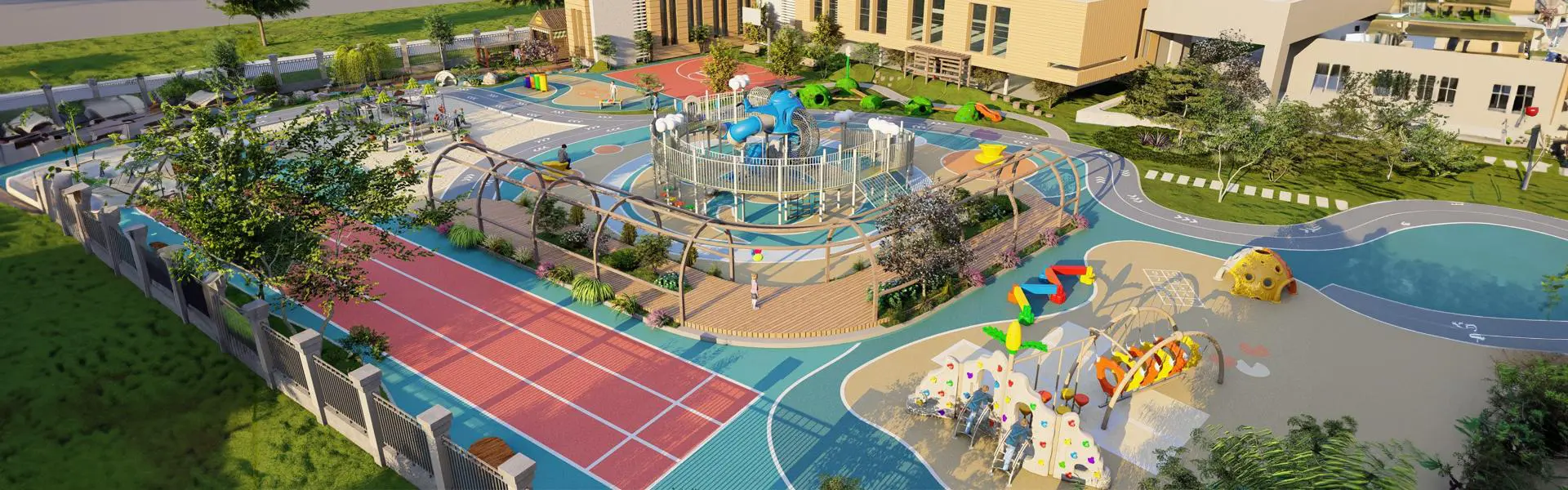
Preschool is a critical time in a child’s development, and providing an engaging, stimulating environment is key to fostering growth and learning. One of the best ways to achieve this is through the inclusion of well-designed outdoor playground equipment tailored to young children’s needs. This article explores the benefits of outdoor playground equipment for preschools and offers insights on creating safe, fun, and educational play spaces.
The Importance of Outdoor Play
Outdoor play is essential for preschoolers as it provides numerous physical, social, and cognitive benefits. Time spent outdoors allows children to develop gross motor skills through activities like running, climbing, and jumping. It also encourages social interaction, teaching kids how to cooperate, share, and resolve conflicts. Moreover, exposure to nature can boost mood and creativity, offering a break from structured indoor activities.
Selecting Appropriate Playground Equipment
When choosing outdoor playground equipment for preschoolers, safety must be the top priority. Here are some factors to consider:
Age-Appropriate Design: Equipment should be designed specifically for young children, taking into account their size, strength, and coordination levels. Structures should have low heights, non-slip surfaces, and gentle slopes to minimize injury risks.
Durability and Maintenance: High-quality materials that withstand various weather conditions ensure longevity and safety. Regular maintenance checks are crucial to keep equipment in good working condition and free from hazards.
Educational Value: The best playground equipment offers more than just fun; it should also promote learning and development. Look for items that enhance sensory experiences or integrate basic academic concepts like counting, letters, and shapes.
Inclusive Features: Inclusive playgrounds accommodate children of all abilities, allowing everyone to play together. Features such as wheelchair-accessible swings, transfer stations, and varied textures benefit children with disabilities.
Popular Types of Outdoor Playground Equipment
Climbing Structures: Climbing walls, ladders, and ropes help develop coordination and confidence. These structures come in various designs and difficulty levels to suit different age groups.
Slides: A classic favorite, slides offer thrilling fun while improving balance and spatial awareness. Ensure slides are wide enough for safe descent and have proper landing zones with soft surfaces.
Swings: Swings provide an excellent way for children to enjoy motion and develop vestibular sense. Options include traditional belt swings, bucket seats, and adaptive swings for children with special needs.
Sandplay Areas: Sandboxes or sensory play areas encourage creativity and fine motor skill development. Adding toys like shovels, buckets, and molds can enhance imaginative play.
Interactive Panels: These panels often feature games involving numbers, letters, or shapes, making them both fun and educational. They can be standalone units or incorporated into larger structures.
Creating a Safe Play Environment
Safety surfacing is a critical component of any outdoor playground. Materials like rubber mats, wood chips, or sand provide cushioning to reduce the risk of injury from falls. Ensure the area is free of hard surfaces, sharp objects, and potential tripping hazards. Proper fencing around the play area can prevent unauthorized access and keep children secure during playtime.
Conclusion
Outdoor playground equipment plays a vital role in early childhood education by promoting physical health, social skills, and cognitive development. By carefully selecting age-appropriate, durable, and inclusive equipment, preschools can create outdoor spaces where children learn through play, explore their surroundings, and build lasting friendships. Investing in high-quality playground equipment not only enriches the preschool experience but also lays the foundation for a lifetime of healthy, active living.