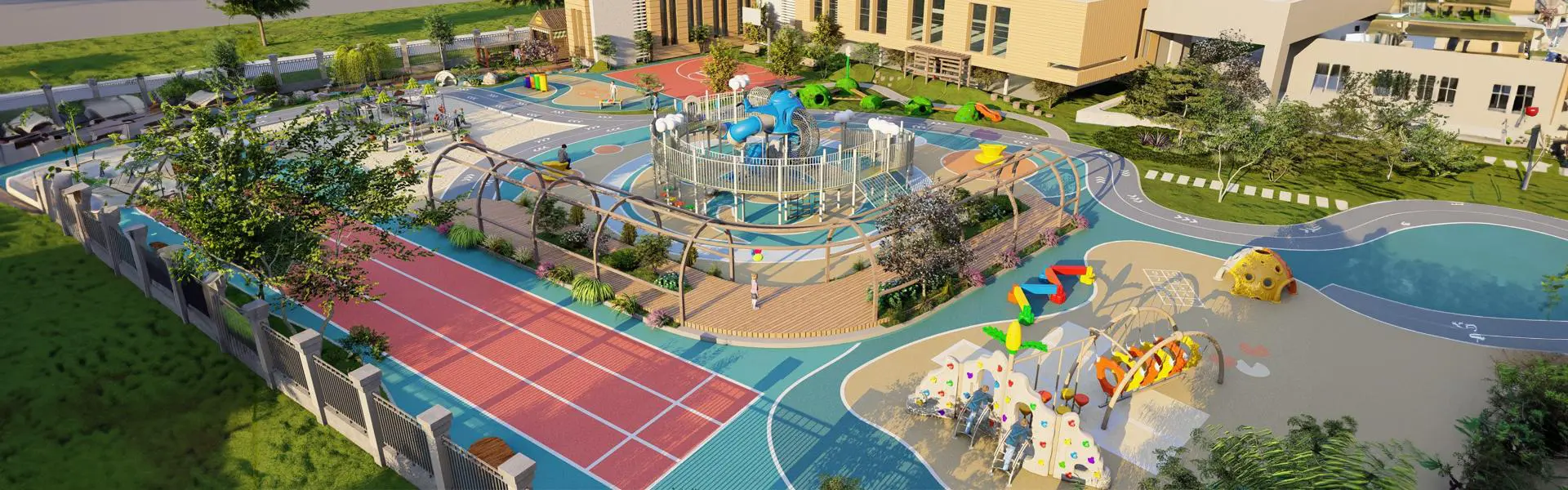
Creating a park that captivates children’s imagination while ensuring safety requires thoughtful selection of playground equipment. From climbing structures to slides and swings, here’s a guide to choosing the best park and playground equipment to make your outdoor space a haven of fun and adventure.
Climbing Structures
Climbing structures are essential for developing children’s motor skills, balance, and confidence. These include ladders, cargo nets, and climbing walls. When selecting climbing structures, prioritize safety by looking for non-slip surfaces and sturdy materials. Incorporating various height levels and types can cater to different age groups and skill levels.
Swings
A classic playground staple, swings come in several varieties including traditional belt swings, bucket seats, and adaptive swings for children with special needs. Ensure there is enough space around each swing to prevent collisions. Installing a mix of baby, toddler, and big kid swings allows inclusivity for all ages.
Slides
Slides offer endless fun and excitement. Options range from simple straight slides to more complex spiral or tube designs. For younger children, shorter slides with gentle slopes are ideal, while taller, more adventurous slides are perfect for older kids. Always check that landing zones are cushioned to prevent injuries.
Seesaws
Seesaws promote cooperative play and help with social interaction. Modern designs often feature seat belts for added safety and can accommodate two or more children. They are excellent for enhancing coordination and strength.
Spinning Rides
Mechanical rides like merry-go-rounds and carousel swings introduce an element of thrill. These spinning rides can be particularly engaging for preschoolers. Look for options with adjustable speeds and secure fittings to ensure safety.
Interactive Play Areas
Incorporate elements like musical instruments, sensory play panels, and water features to create interactive play areas. These additions stimulate cognitive development and creativity. Water tables are especially popular in warmer months and provide a refreshing way to cool down.
Inclusive Playground Design
An inclusive playground considers the needs of all children, including those with disabilities. Features like wheelchair-accessible swings, transfer stations, and ground-level play areas ensure everyone can participate. Partner with organizations specializing in inclusive design to get expert advice.
Safety First
Safety should always be the top priority when selecting playground equipment. Use materials that are durable, non-toxic, and weather-resistant. Regular inspections and maintenance are crucial to keep the equipment in good condition. Ensure the play area has soft impact-absorbing surfaces like rubber mats or wood chips.
Community Involvement
Engage the local community in the planning process. Gather input from parents, teachers, and children to understand their preferences and needs. This collaborative approach helps create a playground that is both functional and beloved by the community.
Budget Considerations
Balancing quality with budget is essential. High-quality equipment might require a higher initial investment but will save costs on replacements and repairs in the long run. Explore grants, donations, and partnerships to fund your playground project.
In conclusion, the perfect park or playground combines diverse equipment catering to various age groups and abilities, ensuring safety through quality materials and thoughtful design. By focusing on these aspects, you can create an inviting, stimulating environment where children can play, learn, and grow.