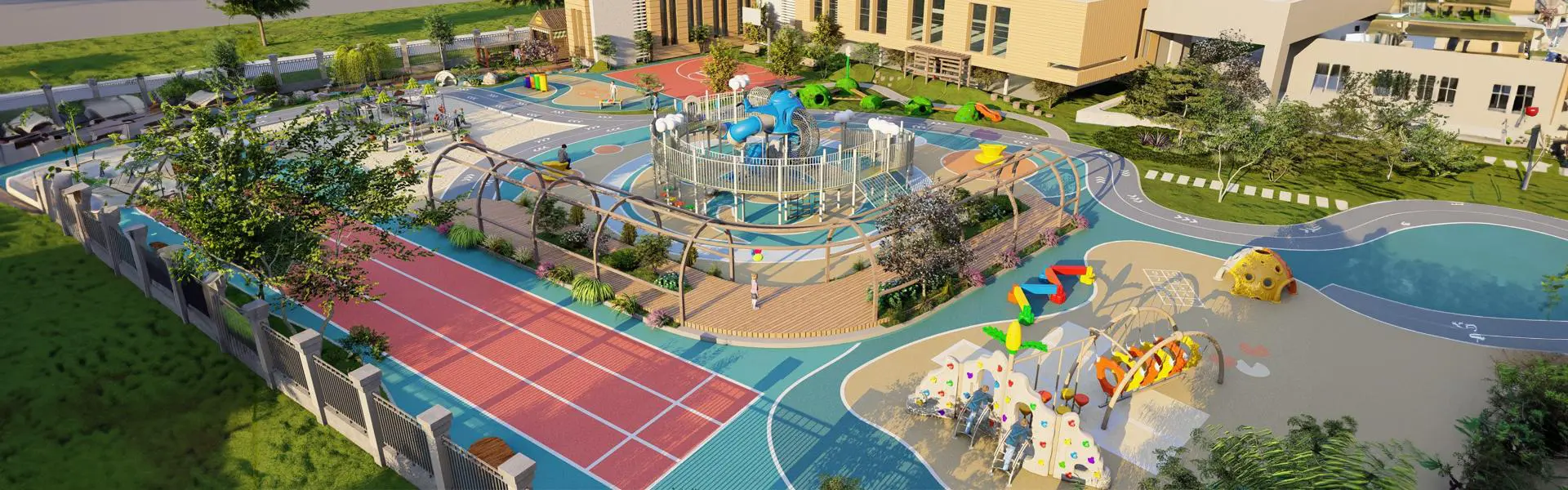
Creating a captivating and safe environment for children to play in is crucial for their physical and mental development. A well-equipped play zone not only provides endless hours of entertainment but also encourages social interaction, creativity, and physical activity. If you’re planning to set up or upgrade a kids’ play zone, selecting the right equipment is paramount. Here’s a comprehensive guide to help you make informed decisions:
Safety First
Safety is the cornerstone of any kids’ play area. Look for equipment that meets safety standards and has smooth, rounded edges to prevent injuries. Materials should be non-toxic and durable, capable of withstanding rough play. Ensure that all structures are stable and securely anchored to the ground. Regular maintenance checks are essential to keep the equipment in top condition and free from hazards.
Age Appropriateness
Children of different ages have distinct needs and abilities. When selecting play zone equipment, consider the age range of the children who will use it. For toddlers, low-level slides, soft climbing structures, and interactive panels that develop fine motor skills are ideal. Preschoolers might enjoy more challenging climbers, seesaws, and basic swings. School-aged children often appreciate more complex structures like multi-level climbing frames, zip lines, and spinner bowls that offer a mix of fun and physical exertion.
Diverse Equipment Options
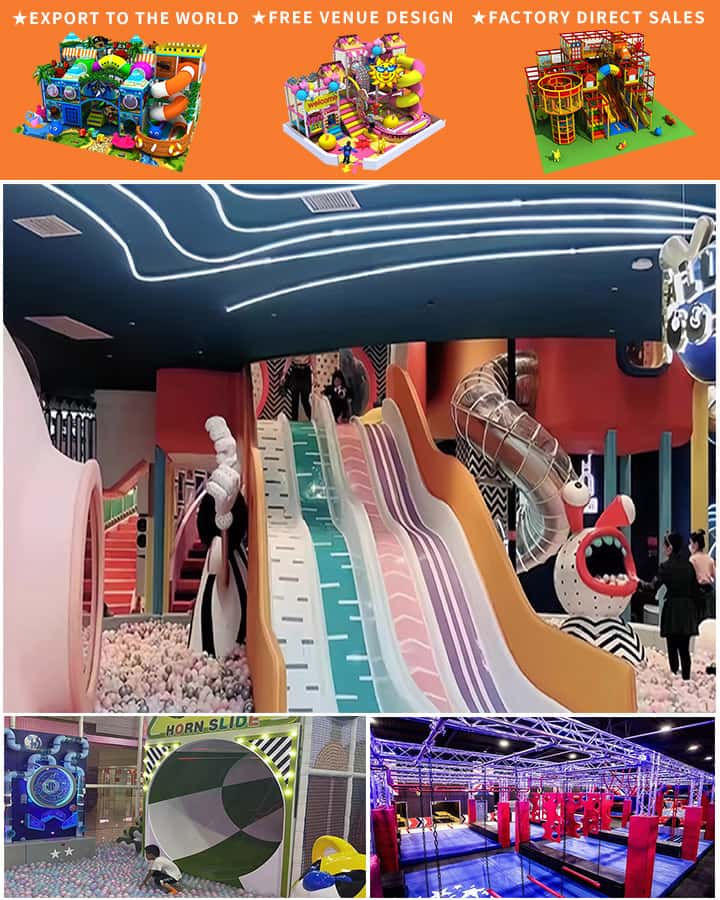
Variety keeps playtime exciting and engaging. Incorporate a mix of stationary, movable, and interactive equipment to cater to different interests and abilities. Swings, slides, seesaws, and climbing structures form the classic core of any play zone. However, don’t overlook the value of sandboxes, water tables, and sensory play items which stimulate imagination and creativity. Sports enthusiasts can benefit from basketball hoops, mini soccer goals, and hopscotch grids promoting active play and teamwork.
Educational Elements
Play isn’t just about fun; it’s also an opportunity for learning. Opt for play zone equipment that incorporates educational elements such as alphabet puzzles, math games, shape sorters, and storytelling panels. These tools can enhance cognitive development while keeping children entertained. Interactive elements like musical instruments, chalkboards, and telescopes can spark curiosity and foster a love for exploration and discovery.
Inclusive Design
Inclusivity is vital in a kids’ play zone. Ensure your equipment accommodates children of all abilities by incorporating features like wheelchair-accessible swings, sensory-rich areas for children with autism, and gentle slopes instead of stairs. Colorful, textured surfaces and clear signage can also aid children with visual impairments. An inclusive play area not only benefits children with disabilities but enriches the experience for all users.
Durability and Weather Resistance
Kids play zone equipment should withstand various weather conditions. Choose materials that are resistant to UV rays, moisture, and temperature changes. Metal frames with powder coating, high-density plastic, and treated wood are excellent choices. Covered areas or canopies can provide shade and protect equipment from the elements, extending its lifespan.
Budget Considerations
Balancing quality with budget is key when selecting play zone equipment. While it’s tempting to opt for cheaper options, investing in high-quality, durable equipment saves money in the long run by reducing the need for frequent replacements and repairs. Explore bulk purchasing options or second-hand markets for cost-effective solutions without compromising on safety and quality.
Community Involvement
Engage the community in the selection process. Survey parents, teachers, and children to gather input on what they would find most enjoyable and beneficial. This collaborative approach ensures that the play zone meets the needs and desires of its primary users, fostering a sense of ownership and pride within the community.
In conclusion, creating an exceptional kids’ play zone involves careful consideration of safety, age appropriateness, variety, education, inclusivity, durability, budget, and community involvement. By prioritizing these factors, you can design a vibrant, engaging, and safe play environment where children can learn, grow, and have fun. Whether you’re setting up a small backyard playground or a large public park, thoughtful selection of play zone equipment will create lasting memories and enrich the lives of countless young adventurers.