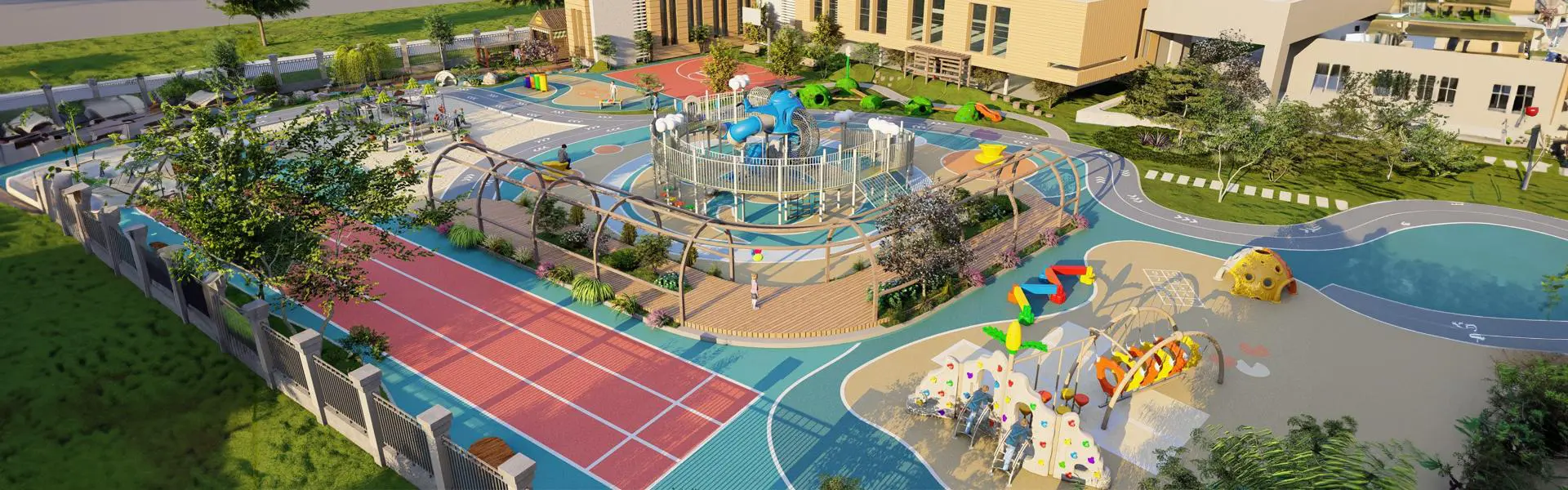
Playgrounds are magical spaces where children’s imaginations soar and their physical abilities are honed. These outdoor havens are filled with a variety of equipment designed to cater to different age groups and interests. In this article, we will explore the many types of playground equipment that make these spaces so engaging and beneficial for kids.
Climbing Structures
Climbing structures are a staple in any well-rounded playground. They come in various forms, from simple ladders and steps to intricate climbing walls and rope nets. These structures encourage physical fitness, coordination, and bravery as children navigate upwards to reach new heights. Climbing structures can also be themed, such as castles or pirate ships, adding an extra layer of fun and creativity.
Slides
Slides are perhaps the most iconic piece of playground equipment. They come in numerous shapes and sizes, from gentle inclines suitable for toddlers to steep drops designed for older children seeking a thrill. Slides can be standalone or integrated into larger play structures, providing endless opportunities for fun and excitement. Some slides even feature spiraling designs or enclosed tubes, adding variety to the sliding experience.
Swings
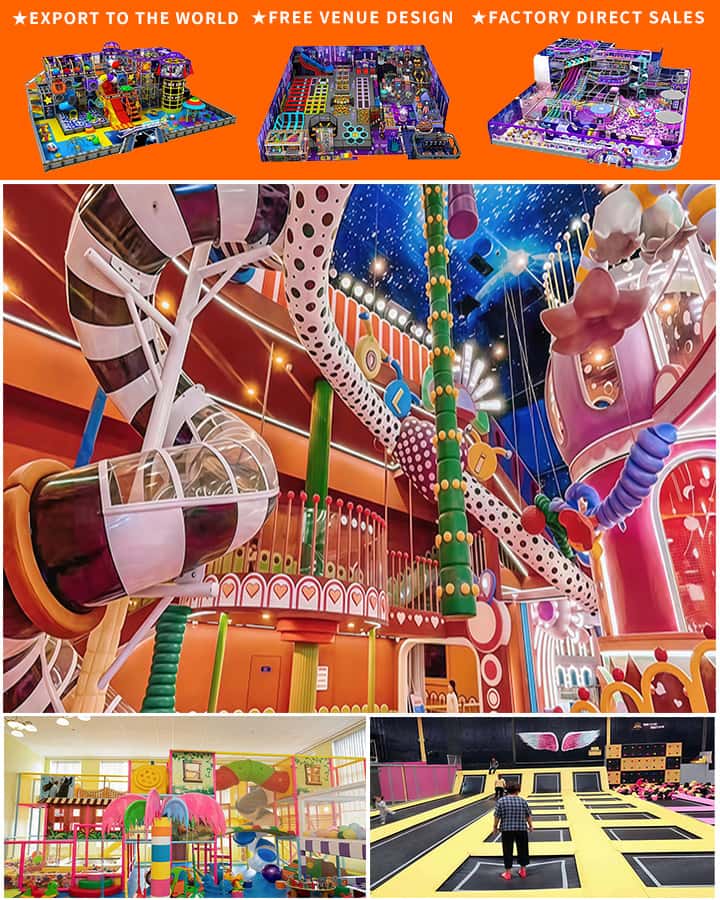 Swings are another classic element of playgrounds. They come in several varieties, including traditional swings, baby swings, and adaptive swings that accommodate children with disabilities. Swings provide a soothing motion that can be both relaxing and exhilarating. The act of swinging helps develop balance, coordination, and motor skills while offering a sense of freedom and adventure.
Seesaws and Teeter-Totters
Seesaws and teeter-totters are perfect for social interaction and cooperation. These pieces of equipment require two participants to operate, teaching turn-taking, balance, and teamwork. Modern seesaws come in various styles, from traditional wooden boards to more contemporary designs with safety features like handrails and adjustable seats.
Merry-Go-Rounds
Merry-go-rounds offer a delightful spinning experience that captivates children and adults alike. Powered by pushing off the ground or a central mechanism, these carousel-like structures provide a fun way to practice balance and coordination. Many modern merry-go-rounds include colorful seats and interactive elements, making them a visually appealing addition to any playground.
Spring Riders
Spring riders, also known as bouncing animals, add an element of whimsy and fun to playgrounds. Children sit on a spring-loaded base that moves up and down as they bounce, creating a joyful, energetic atmosphere. These rides help develop gross motor skills and provide an outlet for boundless energy.
Sandboxes and Water Play Areas
For those who prefer hands-on activities, sandboxes and water play areas are ideal. Sandboxes allow children to dig, build, and explore textures, fostering creativity and fine motor skills. Water play areas, equipped with fountains, sprinklers, and interactive water features, offer refreshing fun during warmer months and teach concepts like cause and effect.
Interactive Play Structures
Interactive play structures often incorporate elements like musical instruments, puzzles, and sensory experiences. These multifaceted installations engage children’s minds and bodies simultaneously. Examples include play panels with buttons that produce sounds, mazes, and activity centers featuring gears and levers that encourage problem-solving.
Inclusive Play Equipment
Inclusive playground equipment is designed to ensure that all children, regardless of physical ability, can enjoy playtime together. This includes wheelchair-accessible swings, transfer stations, and sensory play equipment. Inclusive design promotes inclusivity and teaches children about diversity and empathy from a young age.
In conclusion, playgrounds offer a wide array of equipment designed to cater to every child’s needs and preferences. From climbing structures to interactive play systems, each piece of equipment plays a vital role in fostering physical development, social interaction, and imaginative play. By offering diverse and inclusive play options, playgrounds continue to be cherished spaces where children can grow, learn, and have fun