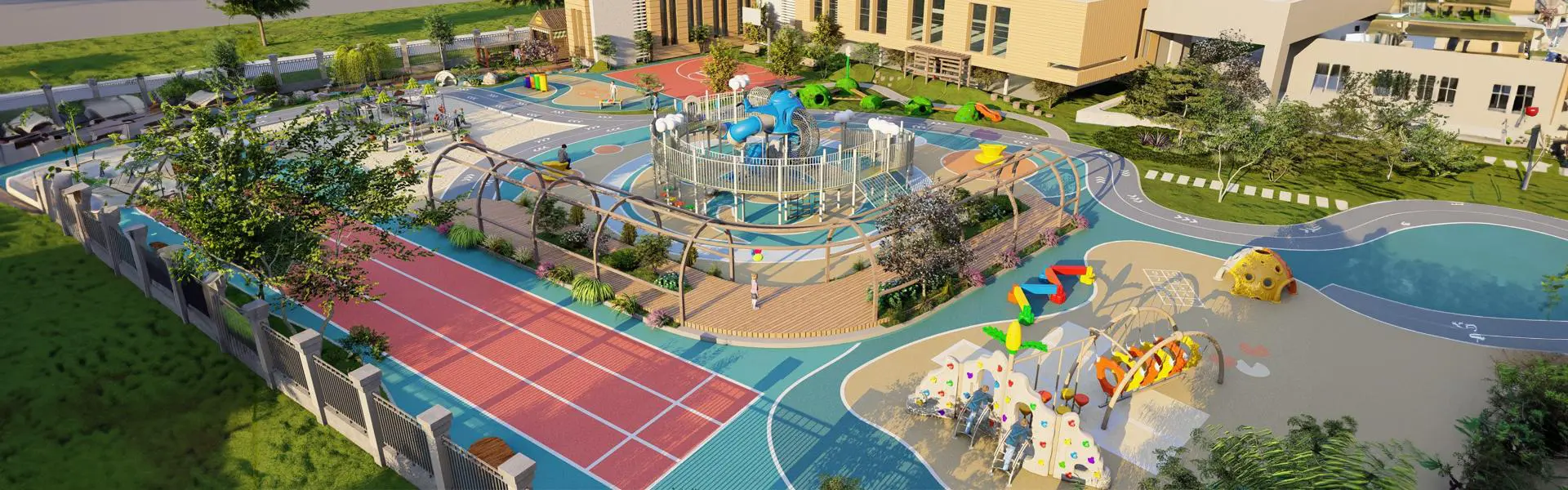
Playgrounds are essential spaces for children to develop physically, socially, and emotionally. However, for kids with autism, traditional playground equipment can sometimes pose challenges due to sensory sensitivities, motor skill variations, and social interaction difficulties. Designing inclusive playgrounds with appropriate equipment can help ensure that all children have a safe, enjoyable, and developmentally beneficial play experience. This article explores various playground equipment designed specifically to meet the needs of children with autism.
Sensory-Stimulating Equipment
Children with autism often have heightened or diminished sensitivity to sensory inputs. Playground equipment that incorporates sensory-stimulating elements can provide both comfort and engagement. Features such as textured surfaces, interactive panels with varying tactile experiences, and auditory elements like chimes or drums can help stimulate sensory processing in a controlled manner.
Example: Sensory Pathways
These are winding paths embedded with different textures, colors, and sensory stations that encourage children to walk barefoot and engage their senses. The varied textures underfoot help desensitize children to tactile stimuli while promoting balance and coordination.
Calming Spaces
Autism is often accompanied by sensory overload, making calming spaces an invaluable addition to playgrounds. These areas are designed to provide a retreat from busy or noisy environments, allowing children to relax and regroup.
Example: Sensory Gardens
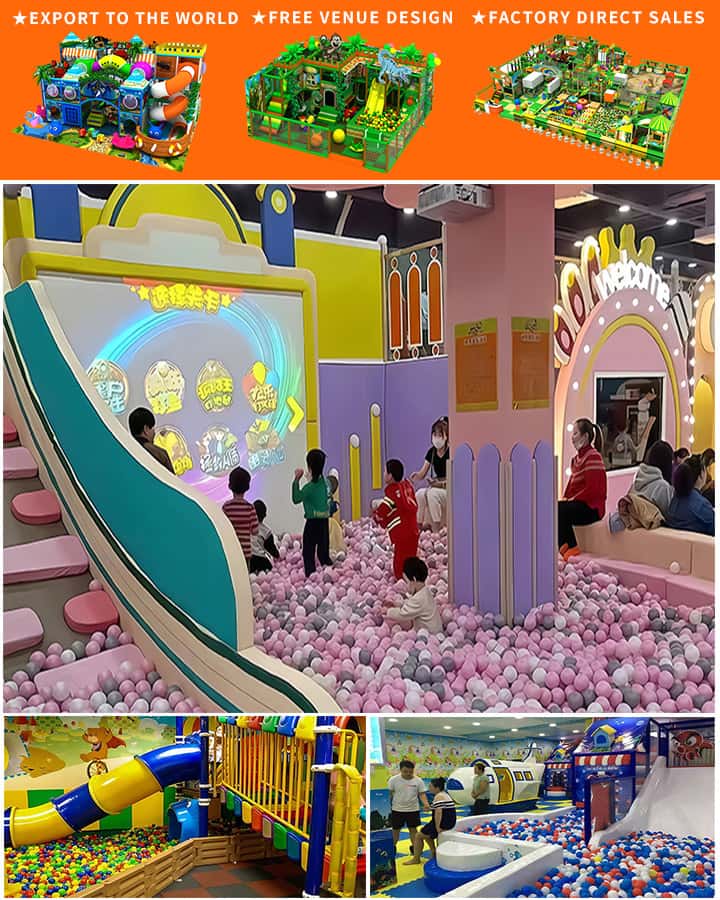
Equipped with soft, natural materials like sand, water features, and plants, sensory gardens offer a serene environment where children can dig, splash, and explore at their own pace. The calming effect of nature combined with gentle sensory activities can be profoundly soothing.
Customized Swings and Climbing Structures
Many children with autism benefit from movement-based therapies that improve motor skills and physical fitness. Traditional swings and climbing structures can be adapted to better suit these needs.
Example: Adaptive Swings
Swings that come with back supports, harnesses, or side-by-side seating allow children who may have difficulty sitting upright or maintaining balance to enjoy swinging safely. Some adaptive swings even come with adjustable speeds to cater to different levels of sensory tolerance.
Example: Climbing Walls with Handles
Climbing walls equipped with various types of handles—such as horizontal bars, vertical grips, and ropes—can accommodate children with different motor abilities and sensory preferences. These structures not only build strength and coordination but also allow for gradual progression and confidence-building.
Social Interaction Facilitators
Playgrounds are crucial for developing social skills, but children with autism may find it challenging to interact spontaneously with peers. Equipment that encourages cooperative play can bridge this gap.
Example: Collaborative Playground Structures
Designing playgrounds with equipment that requires teamwork—like seesaws for two, merry-go-rounds, or teeter-totters—can foster social interaction. These activities naturally necessitate communication and turn-taking, helping children practice social skills in a fun and engaging way.
Educational and Cognitive Tools
Incorporating educational elements into playground design can further enhance the developmental benefits for children with autism. These tools can make learning fun and accessible.
Example: Interactive Learning Panels
Panels that include alphabet puzzles, number games, or matching activities provide both mental stimulation and fine motor practice. These interactive elements can cater to different learning styles and cognitive levels, ensuring that all children can participate meaningfully.
Conclusion
Creating inclusive playgrounds that cater to the unique needs of children with autism is not just about adding specialized equipment; it’s about fostering an environment where every child feels welcome and engaged. By thoughtfully integrating sensory-stimulating features, calming spaces, adaptive physical structures, social facilitators, and educational tools, we can create playgrounds that support the diverse developmental needs of all children. Such inclusive spaces not only enhance the quality of life for children with autism but also promote empathy and understanding among all who use them.