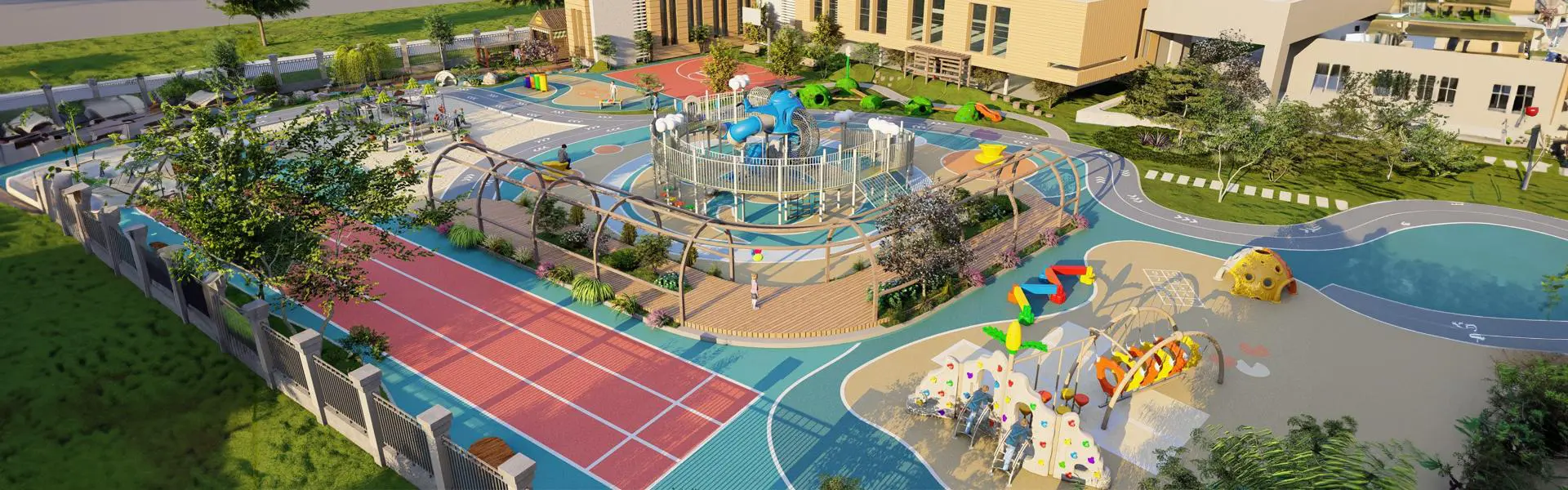
When it comes to creating a safe and enjoyable outdoor environment for children, selecting the right playground equipment is crucial. For moms who prioritize both fun and safety, making informed choices can make all the difference. This guide explores various aspects of playground equipment that cater to both children’s needs and parents’ peace of mind.
Safety First: Materials and Construction
One of the most critical factors in choosing playground equipment is its safety. High-quality materials such as durable plastic, non-toxic paint, and rust-resistant metal are essential for ensuring longevity and safety. Look for equipment with smooth surfaces and rounded edges to minimize the risk of injury. Anchoring the playground securely to the ground is also vital to prevent tipping or movement during play.
Age-Appropriate Fun
Children of different ages have varying physical abilities and interests, so it’s important to select equipment suitable for their developmental stages. For toddlers and young preschoolers, consider smaller slides, swings, and climbing structures that encourage balance and coordination. Older children may enjoy more challenging equipment like taller slides, monkey bars, and multi-level play structures that promote strength and agility.
Versatile Options for Endless Entertainment
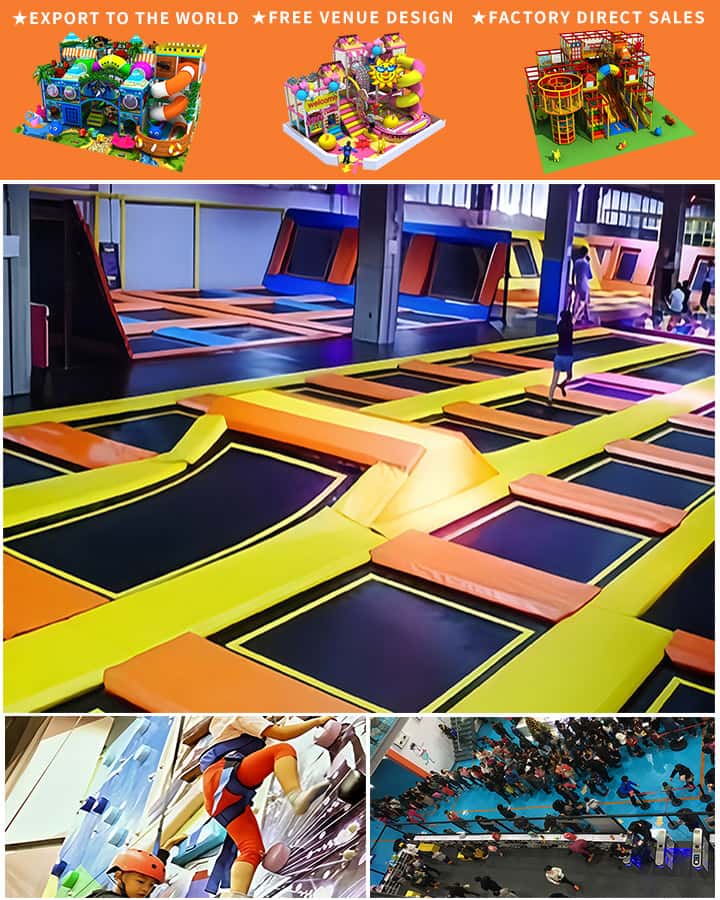
To keep kids engaged and entertained, opt for versatile playground equipment that offers a variety of activities. Combination units that include swings, slides, and climbing areas provide multiple forms of play in one compact space. Interactive elements like seesaws, merry-go-rounds, and spinner bowls add an extra layer of excitement and social interaction.
Encouraging Physical Activity
Playground equipment should encourage active play to support children’s physical health and development. Choose pieces that promote running, jumping, climbing, and balancing. Structures with ladders, rope bridges, and cargo nets not only offer physical challenges but also enhance gross motor skills. Incorporating a mix of cardio and strength-building activities ensures a well-rounded play experience.
Inclusive Design: Catering to All Children
Inclusivity is an important aspect of modern playground design. Equipment that accommodates children of all abilities fosters a sense of community and belonging. Look for features such as wheelchair-accessible ramps, sensory-rich elements for children with autism, and adaptable swings for those with special needs. Integrating inclusive design principles creates a welcoming environment where every child can play together.
Aesthetic Considerations
While functionality is paramount, aesthetic appeal should not be overlooked. Bright colors, engaging themes, and creative designs can stimulate children’s imaginations and make the playground more inviting. Natural elements like wooden play structures, sandpits, and water features can blend seamlessly into the surrounding landscape, enhancing the overall look of the playground.
Easy Maintenance and Durability
Moms appreciate equipment that is easy to maintain and built to last. Opt for materials resistant to weather conditions—such as UV-resistant plastics and treated wood—to reduce wear and tear. Regular inspections and maintenance ensure that the playground remains safe and enjoyable for years to come.
Community Engagement
Finally, consider how the playground equipment encourages social interaction and community bonding. Group activities and shared spaces promote friendship and teamwork among children. Features like benches for parents and shaded areas for relaxation create a comfortable environment for caregivers to supervise and engage in their children’s playtime adventures.
In conclusion, choosing the right playground equipment involves a thoughtful balance of safety, age appropriateness, versatility, physical activity promotion, inclusivity, aesthetics, durability, and community engagement. By focusing on these key aspects, moms can create a delightful and secure outdoor haven where children can learn, grow, and have endless fun.