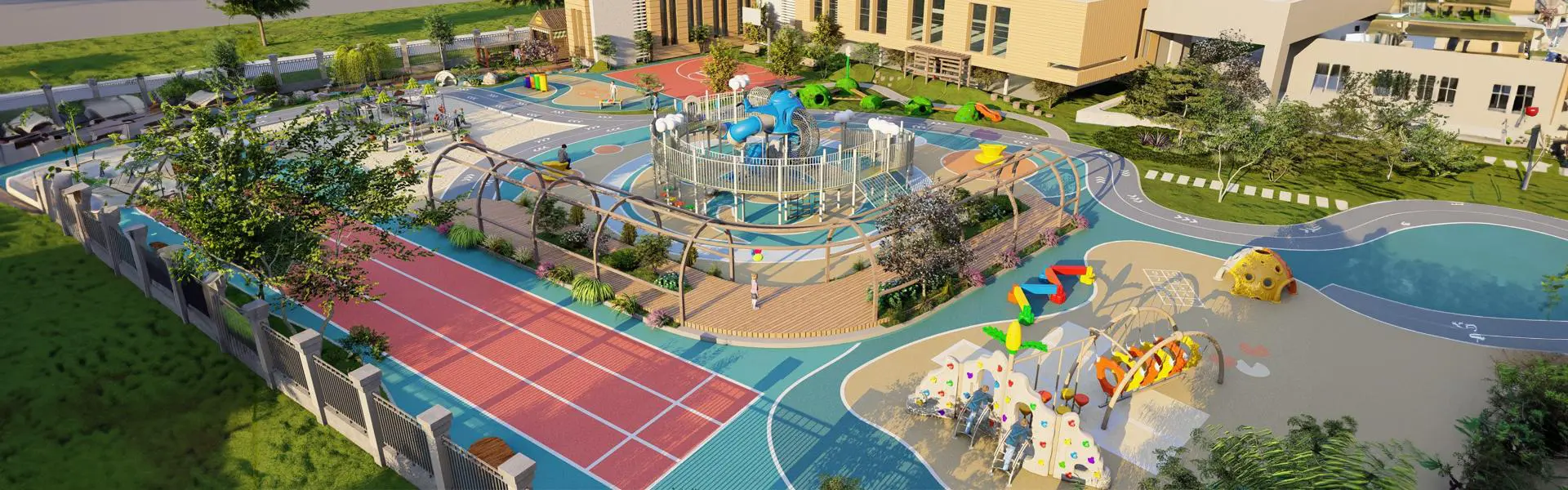
When it comes to creating a fun and safe outdoor space for children, the right playground equipment is essential. Whether you’re outfitting a community park, daycare facility, or backyard, selecting the best equipment requires careful consideration of various factors. This guide will help you understand what to look for when purchasing children’s playground equipment to ensure both safety and enjoyment.
Understanding Your Needs
Before diving into the myriad of options available, start by assessing your specific needs. Ask yourself these questions:
- Who will be using the playground? The age range of the children will significantly influence your choices. Toddlers require different types of equipment compared to school-aged children.
- How much space do you have? Measure the area where you plan to install the playground. Larger spaces may accommodate more elaborate setups, while smaller areas will benefit from more compact designs.
- What activities are most important? Decide whether you want swings, slides, climbing structures, or interactive games. Prioritize based on the children’s interests and physical development needs.
Safety First
Safety is paramount when it comes to children’s playgrounds. Here are some key points to consider:
- Material Quality: Opt for high-quality, durable materials such as commercial-grade plastic, stainless steel, and pressure-treated wood that can withstand heavy use and harsh weather conditions.
- Safety Standards: Ensure that the equipment meets national safety standards like ASTM F1487 in the United States for public playgrounds. Look for certifications that guarantee compliance with these standards.
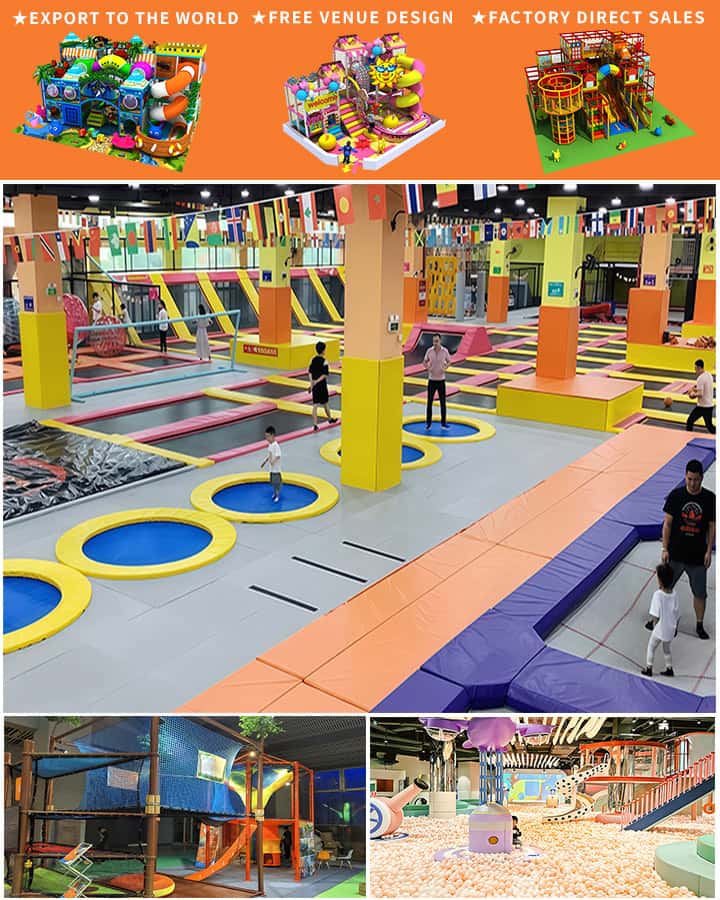
- Proper Installation: Even the highest-quality equipment can be dangerous if not installed correctly. Hire professional installers who understand the importance of following manufacturer guidelines.
- Maintenance Requirements: Regular maintenance is crucial. Choose equipment that is easy to inspect, clean, and repair to keep it in top condition.
Age-Appropriate Equipment
Different age groups have varying needs and capabilities. Here’s a quick overview:
- Toddlers (1-3 years): Soft, colorful play structures with low platforms and gentle slopes are ideal. Consider small slides, sandboxes, and soft-fall surfaces made of rubberized materials.
- Preschoolers (3-5 years): As they become more adventurous, incorporate slightly taller slides, simple climbing walls, and balance beams. Make sure these are still relatively low to the ground and have safety rails.
- School-Age Children (6+ years): Older children can handle more challenging equipment like multi-level climbing frames, taller slides, and zip lines. Ensure there are appropriate handrails and guardrails for added safety.
Budget Considerations
Playground equipment can range from budget-friendly to quite expensive. Keep the following tips in mind to manage costs:
- Set a Budget: Know how much you’re willing to spend before you start shopping. This helps narrow down your options and prevents overspending.
- Compare Prices: Don’t settle for the first option you find. Shop around and compare prices from multiple suppliers to get the best deal.
- Consider Longevity: Investing in higher quality equipment might mean a larger upfront cost but can save money in the long term due to durability and lower maintenance needs.
Interactive vs. Solitary Play
Decide whether you want the playground to encourage group interaction or allow for solitary play. Interactive elements like seesaws, merry-go-rounds, and cooperative games foster social skills, whereas solo elements like individual swings offer personal enjoyment.
Environmental Considerations
Think about the environmental impact of the equipment:
- Sustainable Materials: Some manufacturers offer eco-friendly options made from recycled plastics and sustainably harvested wood.
- Energy Efficiency: While this might not apply directly to playground equipment, consider the overall footprint of manufacturing processes and shipping.
Final Thoughts
Purchasing children’s playground equipment is an investment in their happiness, health, and development. By taking the time to understand your needs, prioritizing safety, choosing age-appropriate items, managing your budget wisely, and considering environmental impacts, you can create a delightful and secure space for kids to play, learn, and grow. Remember, a well-equipped playground is not just a source of fun; it’s a foundation for countless childhood memories and developmental milestones.