Creating an indoor play area for kids can be a fun and rewarding project, but understanding the associated costs is crucial to planning effectively. Whether you’re setting up a space in your home or a community center, knowing what to expect financially will help you create a safe, enjoyable environment without breaking the bank. Here’s a breakdown of the key expenses and some cost-saving tips to consider.
Key Expenses
- Furniture and Equipment
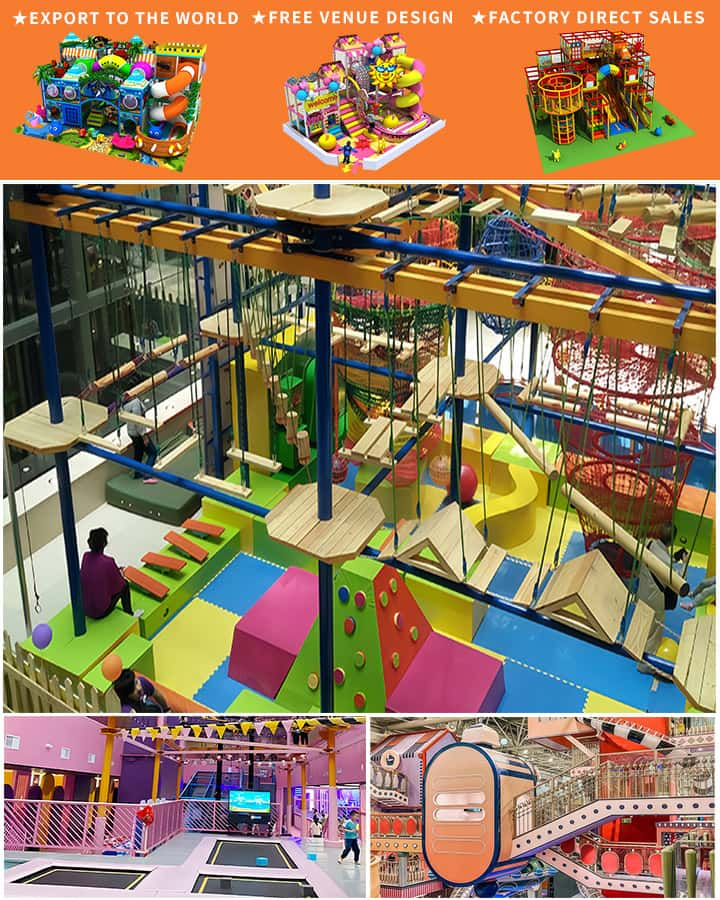
- Play Structures: These are often the centerpiece of any indoor play area. Costs can range from a few hundred dollars for simple climbing frames to several thousand for modular systems that can grow with your child.
- Soft Play Equipment: Foam mats, ball pits, and soft barriers are essential for safety, especially for toddlers. Prices can vary widely based on quality and size but generally start around $200.
- Activity Tables and Chairs: Designed specifically for children, these tables encourage creativity and learning. A basic set can start at around \(100, while more elaborate setups may cost upwards of \)500.
- Decoration and Customization
- Wall Decals and Murals: Personalized wall art can make a significant difference in the play area’s appeal. These can range from \(30 for simple decals to over \)500 for custom murals.
- Lighting: Good lighting can create a welcoming atmosphere and is crucial for safety. LED options are energy-efficient and can run between \(100 to \)300 depending on the setup.
- Safety Features
- Padding and Flooring: Cushioned flooring and padding for corners are necessary to prevent injuries. High-quality foam padding can cost anywhere from \(100 to \)500.
- Gate/Barrier Systems: If the play area is within a larger room, installing gates or barrier systems might be necessary. Prices typically range from \(50 to \)200.
- Toys and Educational Tools
- Interactive Toys: Depending on the age group, interactive and educational toys can range from \(50 to over \)500.
- Books and Learning Materials: A good collection of books and learning materials can be invaluable. Budget around \(100 to \)300 for a well-rounded selection.
Cost-Saving Tips
DIY Options: Consider building your own play structures or using reclaimed wood for furniture. There are many online tutorials that can guide you through creating sturdy and safe pieces.
Sales and Second-Hand Shopping: Check out second-hand stores, garage sales, and online marketplaces for good deals on used play equipment and furniture.
Multi-Purpose Furniture: Opt for items that serve multiple purposes, like storage ottomans or convertible tables that can grow with your child.
Involve the Kids: Let the children help pick out the decor and organizational elements. Sometimes their preferences can lead to more budget-friendly choices.
Community Resources: Don’t hesitate to reach out to local community groups or organizations, which sometimes offer grants or donations for community improvement projects, including children’s play areas.
Final Thoughts
Setting up an indoor play area for kids doesn’t have to be an expensive endeavor. With careful planning and smart purchasing decisions, you can create a vibrant and stimulating environment that fosters creativity and development. By considering both the essentials and potential cost-saving strategies, you can ensure that the investment made today brings joy and utility for years to come.