
In today’s fast-paced world, finding creative ways to keep children entertained indoors is essential. Converting a portion of your home into an engaging play area can provide kids with a safe environment to explore, learn, and have fun. Here are some practical tips for setting up an indoor play area that both children and parents will love.
1. Choose the Right Location
The first step in creating an indoor play area is selecting the right location. Look for a spacious and easily accessible part of your home, such as a spare room, basement, or even a corner of the living room. Ensure the space is free from hazards and has good ventilation.
2. Safety First
Safety is paramount when designing an indoor play area. Soft mats or carpet tiles can cover hard floors to prevent injuries from falls. Secure any furniture that could tip over, and store toys out of reach to avoid choking hazards. Install safety gates if necessary to keep the play area separate from other parts of the house.
3. Organized Storage Solutions
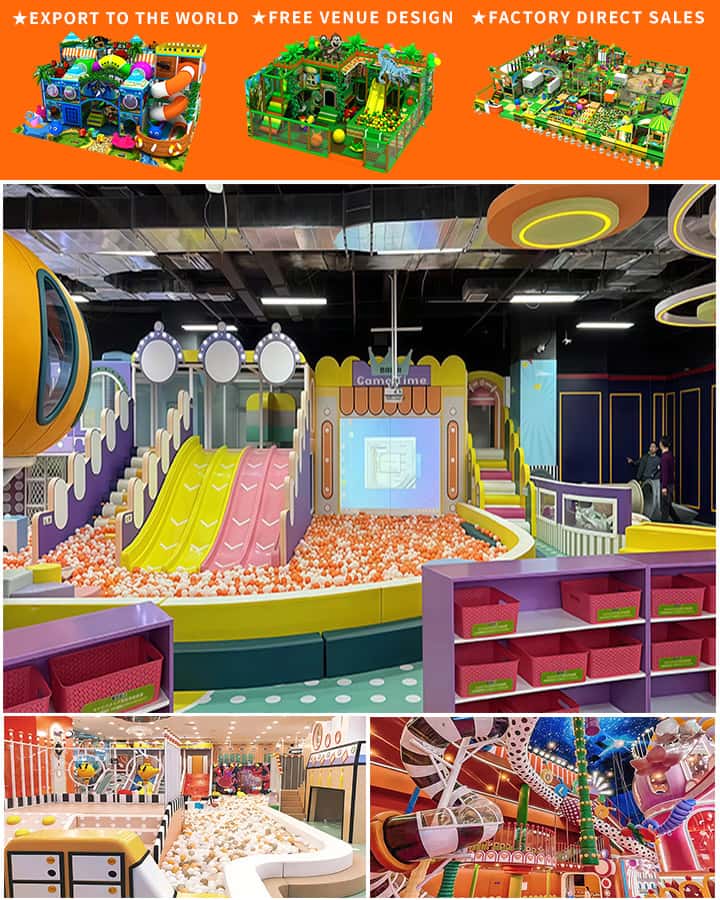
An organized play area promotes better play experiences. Use bins, baskets, and shelves to store toys, books, and art supplies. Label each storage container to make it easier for children to find and put away their belongings. A well-organized space encourages kids to tidy up, fostering a sense of responsibility.
4. Versatile Furniture
Invest in versatile furniture that can adapt to various activities. Foldable tables and chairs can be used for arts and crafts, reading, or snack time. Consider adding a small bookshelf within reach of the child for easy access to their favorite books. A cozy bean bag chair or cushioned floor mat can create a comfortable spot for reading or imaginative play.
5. Educational and Interactive Toys
Choose toys that stimulate creativity and learning. Building blocks, puzzles, and educational games can enhance cognitive development while providing hours of entertainment. Interactive toys like musical instruments or role-play costumes encourage imagination and social skills. Incorporate age-appropriate educational posters and wall decals to create an inspiring backdrop.
6. Creative Decor
Personalize the play area with vibrant colors and themes that excite your child’s imagination. Wall decals, murals, and themed rugs can transform the space into a magical kingdom, jungle adventure, or outer space exploration. Add blackout curtains to create a cozy “nook” for storytelling or quiet time.
7. Flexible Space Planning
Design the play area to be flexible and adaptable. Use modular furniture pieces that can be rearranged easily to accommodate different activities. For example, a fold-out desk can become an art station or a reading nook with simple adjustments. Flexibility allows the space to grow with your child’s interests and needs.
8. Incorporate Natural Elements
Bring a touch of nature indoors with plants and natural materials. Small potted plants can add a calming presence, while wooden toys and woven baskets introduce organic textures. A nature-inspired theme can create a serene and grounding atmosphere for children to enjoy.
Conclusion
Setting up an indoor play area at home doesn’t have to be complicated or expensive. With a bit of planning and creativity, you can create a fun, safe, and stimulating environment that your children will cherish. Remember to prioritize safety, organization, and flexibility to ensure the space remains enjoyable and functional as your child grows. Happy playing!