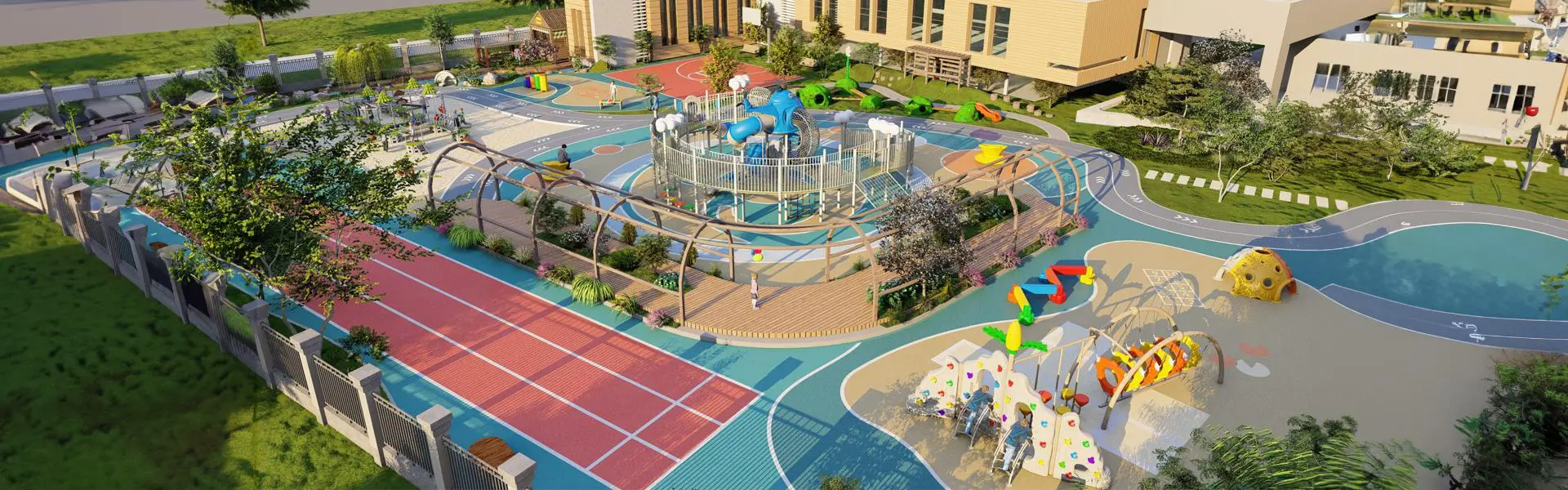
In the vibrant world of childhood, the significance of play area equipment cannot be overstated. These installations are not just mere recreational items; they form a crucial part of a child’s developmental process, promoting physical activity, social skills, and cognitive growth. This article delves into the various aspects of play area equipment, highlighting their benefits and offering insights into how they contribute to a child’s holistic development.
The Importance of Play Areas
Play areas serve as sanctuaries where children can explore, experiment, and learn about the world around them. These spaces are designed with age-appropriate equipment that supports different stages of development, from toddlers taking their first steps to preschoolers refining their motor skills. By providing a safe and stimulating environment, play areas become instrumental in fostering independence, creativity, and problem-solving abilities.
Types of Play Area Equipment
Slides: Slides come in various shapes and sizes, each offering thrilling experiences that captivate young minds. They help improve balance and coordination while encouraging children to overcome their fear of heights.
Swings: Swings are classic play area staples that provide gentle yet exhilarating movement, enhancing vestibular senses and contributing to the development of core strength and motor planning skills.
Climbing Structures: Whether it’s climbing walls, rope ladders, or jungle gyms, these structures encourage upper body strength, grip, and endurance. They also promote spatial awareness and the ability to navigate through complex environments.
Balance Beams and Walkways: Balancing on beams or navigating through obstacle courses aid in developing coordination, concentration, and fine motor skills. They present challenges that require focus and determination, building resilience in young minds.
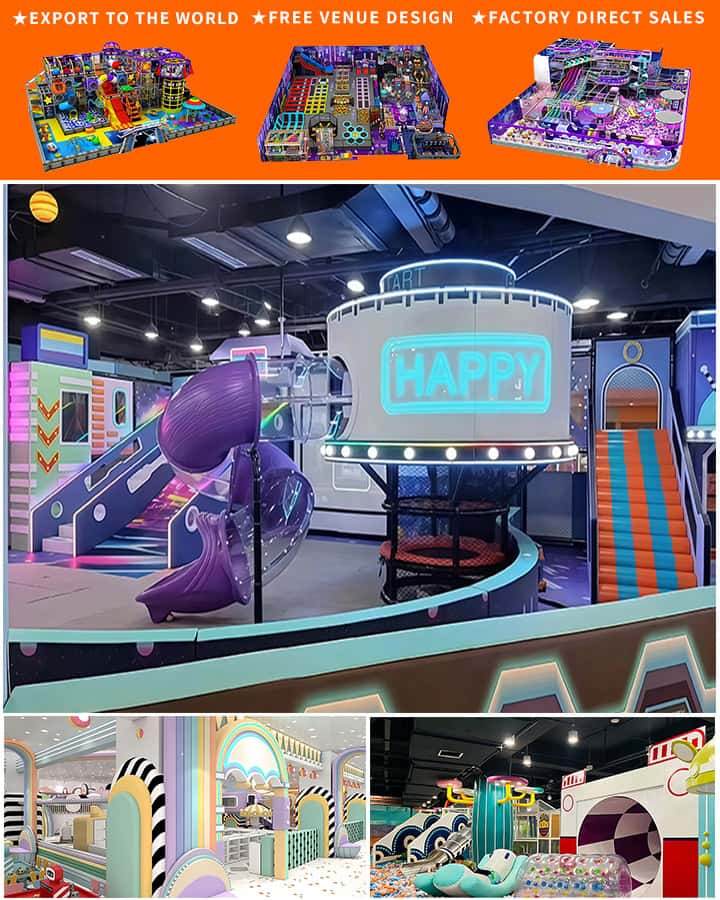
Sandpits: Sandpits offer a tactile experience where children can dig, build, and explore. This kind of sensory play is essential for developing fine motor skills and fostering imaginative play.
Interactive Play Equipment: Features like musical instruments, water play elements, and interactive panels engage multiple senses, encouraging exploration and learning through play.
Benefits of Play Area Equipment
The advantages of incorporating well-designed play area equipment extend far beyond mere entertainment:
Physical Development: Engaging in physical play helps develop muscle tone, coordination, and overall fitness. It lays the foundation for healthy habits that children will carry into adulthood.
Social Skills: Play areas are hubs of social interaction where children learn to share, collaborate, and resolve conflicts. These experiences are vital for developing empathy, communication skills, and the ability to work as part of a team.
Cognitive Growth: Play stimulates brain function and encourages curiosity. Children learn cause and effect, problem-solving, and critical thinking skills through hands-on experiences.
Emotional Well-being: Play reduces stress and anxiety, providing an outlet for self-expression and emotional regulation. It boosts confidence and self-esteem as children master new skills and challenges.
Safety Considerations
While the benefits of play area equipment are numerous, safety must always remain a top priority. Here are some considerations to ensure a secure play environment:
Age Appropriateness: Equipment should be suitable for the intended age group to prevent injuries. Toddler areas should have softer surfaces and simpler structures compared to those for older children.
Maintenance: Regular inspections and maintenance are crucial to identify and address any wear and tear. Ensure all components are securely fastened and free from sharp edges or hazardous materials.
Surfacing: Use appropriate flooring materials such as rubber mats or wood chips to cushion falls and reduce the risk of injury.
Supervision: Adult supervision is essential to monitor activities and intervene if necessary. Trained supervisors can enhance safety and provide guidance on using the equipment correctly.
Conclusion
Play area equipment plays a vital role in shaping a child’s development by offering a blend of fun, physical activity, and learning opportunities. By thoughtfully designing and maintaining these spaces, we can create enriching environments that support the diverse needs of children. Investing in quality play equipment is not just about constructing a playground; it’s about nurturing the next generation, ensuring they grow up healthy, happy, and prepared for the challenges of the future.