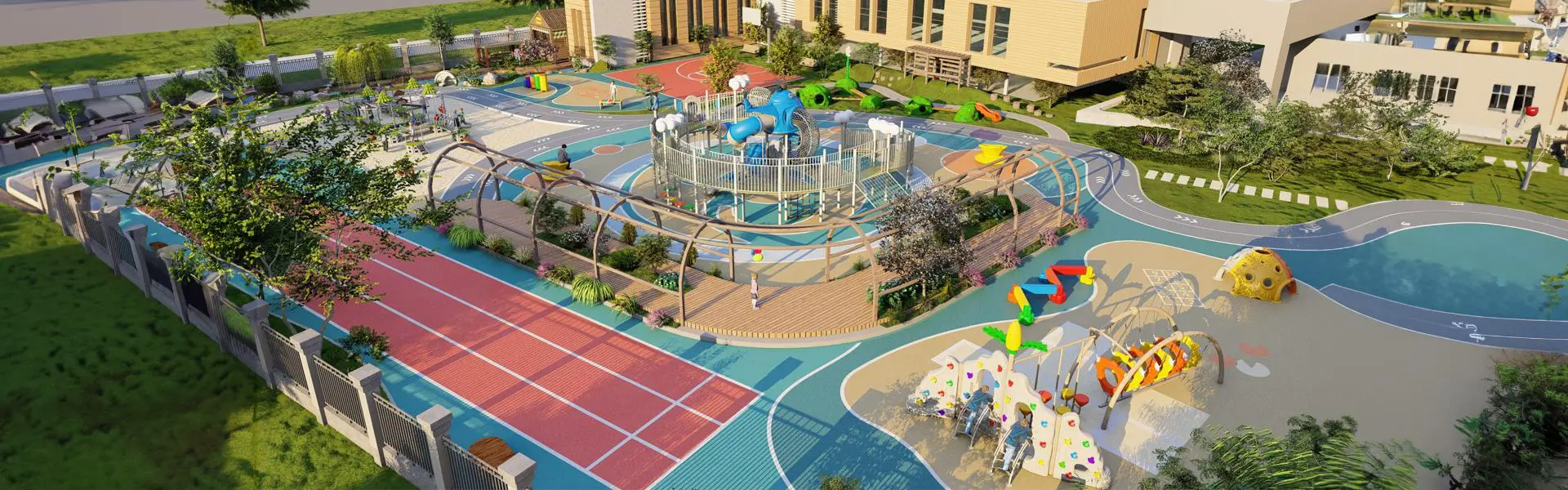
Starting a kids indoor playground business can be an exciting and rewarding venture. With the right planning, dedication, and execution, this endeavor has the potential to bring joy to children while offering a profitable business opportunity for you. Here’s a step-by-step guide to help you get started on your path to creating a successful indoor playground.
Understanding the Market
1. Conduct Market Research: Before diving into any business venture, it’s essential to understand your market. Analyze the demand for indoor playgrounds in your area. Consider factors such as population density, local competition, and the demographic profile of families with young children. Surveys, focus groups, and even casual conversations can provide valuable insights.
2. Identify Your Target Audience: Knowing who your primary customers are will help tailor your services to meet their needs. Are you targeting busy working parents, stay-at-home moms, or grandparents looking for a safe place for their grandchildren? Understanding their preferences and pain points is crucial.
Planning & Legalities
3. Develop a Business Plan: A well-thought-out business plan will be your roadmap to success. Include sections on market analysis, marketing strategies, financial projections, and operational plans. This document will also be useful if you seek funding from investors or lenders.
4. Choose a Suitable Location: Your venue should be easily accessible, spacious enough to accommodate various play structures, and located in a high-traffic area. Consider factors like parking availability, proximity to residential areas, and visibility from major roads.
5. Obtain Necessary Permits and Licenses:
 Operating an indoor playground requires compliance with local regulations. You may need business licenses, health and safety permits, and zoning clearances. Ensure all paperwork is completed accurately to avoid legal issues down the line.
Designing the Playground
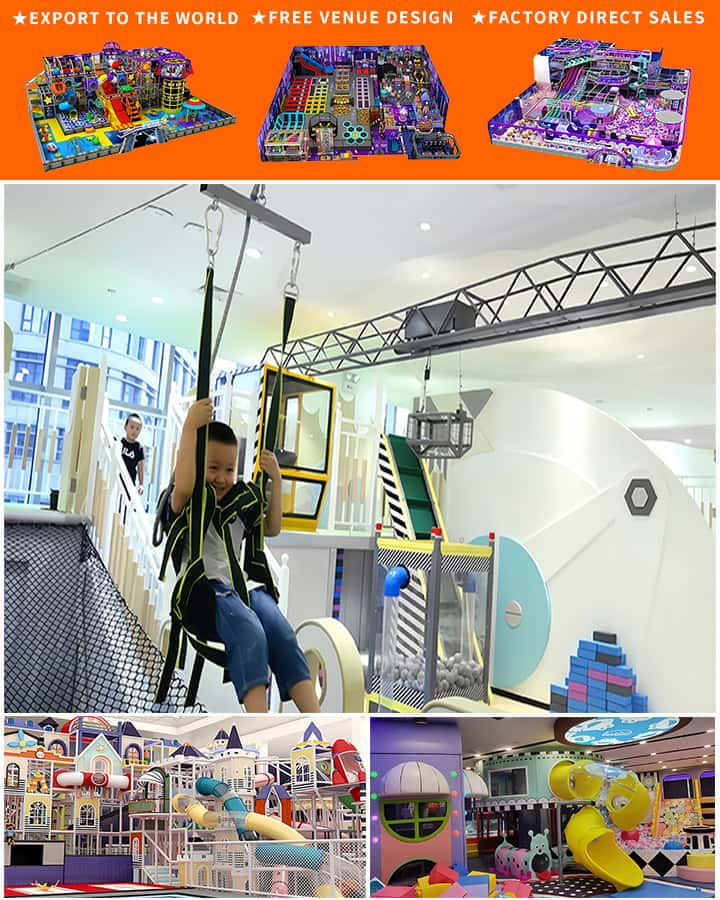
6. Select Appropriate Equipment: Choose age-appropriate, safe, and engaging play equipment. Soft play areas with foam pits, climbing frames, ball pools, slides, and interactive games are popular choices. Work with reputable suppliers to ensure quality and safety standards are met.
7. Create a Safe Environment: Safety is paramount when dealing with children. Install soft flooring to cushion falls, use non-toxic materials, and ensure that all equipment is regularly inspected and maintained. Clear signage indicating rules and safety guidelines is also essential.
Operations Management
8. Hire Qualified Staff: Recruit friendly, responsible, and energetic staff who genuinely enjoy working with children. Conduct thorough background checks and provide comprehensive training to ensure they can handle emergencies and maintain a fun atmosphere.
9. Implement Effective Marketing Strategies: Promote your indoor playground through various channels. Utilize social media platforms, create eye-catching flyers, and consider partnerships with local schools or community centers. Host grand opening events and offer discounts or loyalty programs to attract new customers.
10. Focus on Customer Experience: A positive experience encourages repeat visits and word-of-mouth referrals. Ensure cleanliness, provide excellent customer service, and regularly update your play structures to keep things fresh and exciting.
Financial Considerations
11. Set Competitive Pricing: Research what other indoor playgrounds in your area charge and set your prices accordingly. Consider offering package deals, seasonal promotions, or membership options to provide value and attract more customers.
12. Monitor Financial Performance: Keep track of your expenses and revenue streams. Regularly review your financial statements to identify areas where you can cut costs or increase profitability. Invest in accounting software to simplify this process.
Scaling & Growth
13. Gather Customer Feedback: Listen to your customers’ suggestions and concerns. Conduct surveys or hold focus groups to gather feedback on how you can improve your services. Happy customers are key to building a loyal clientele.
14. Plan for Expansion: Once your indoor playground gains traction, consider expanding your services. This could involve adding new attractions, increasing your space, or even franchising your concept. Always have a long-term growth strategy in mind.
Conclusion
Starting a kids indoor playground business requires meticulous planning, a strong commitment to safety, and a passion for creating memorable experiences for children. By following these steps and remaining adaptable to market changes, you can build a thriving business that brings joy to kids and success to you. Remember, the key is to always prioritize the happiness and safety of your young visitors – they are the heart of your business.