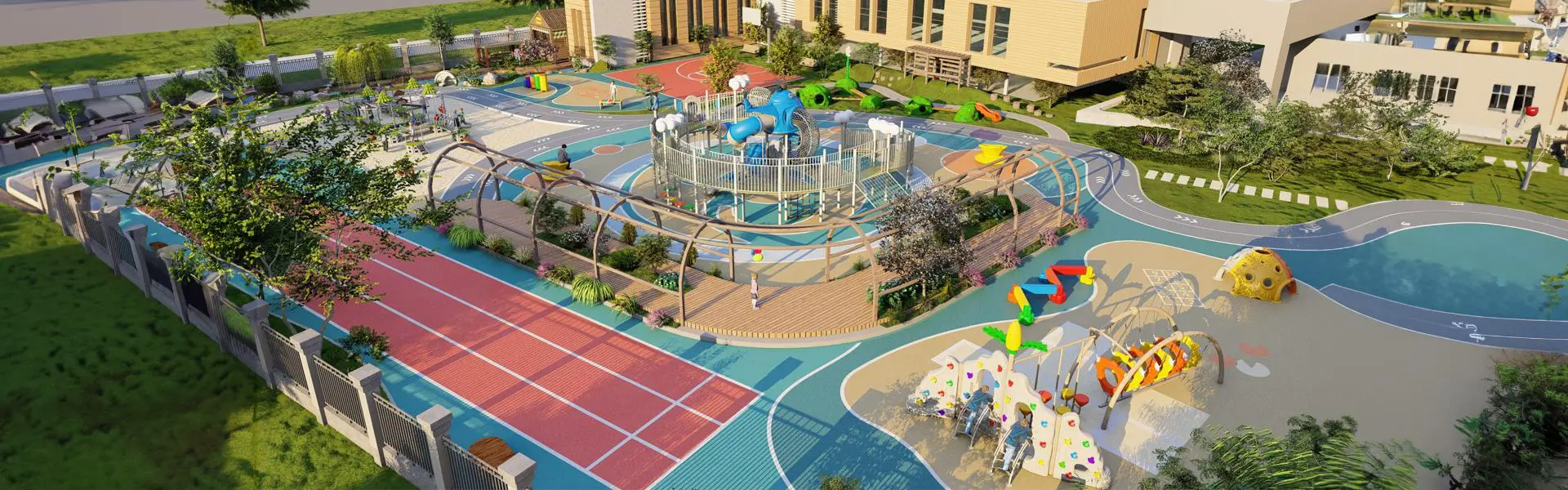
Starting an indoor playground can be a rewarding venture that brings joy to children and parents alike while offering a potentially profitable business opportunity. This comprehensive guide will walk you through the essential steps to help you successfully launch your indoor playground, from initial planning to opening day.
1. Conduct Market Research
Before diving into the logistical aspects of starting an indoor playground, it’s crucial to conduct thorough market research. Understanding your local market will help you make informed decisions about the type of playground, location, and target demographics.
- Identify Your Niche: Determine what sets your indoor playground apart from existing facilities. Are you focusing on educational play, sensory activities, or general recreational fun? Identifying a niche can help attract a dedicated customer base.
- Competitive Analysis: Study your competitors. Visit other indoor playgrounds in your area to assess their strengths and weaknesses. Look for gaps in the market that your venue could fill.
- Target Audience: Identify the age groups you want to cater to. Different age ranges have varied needs and safety requirements, so it’s essential to tailor your offerings accordingly.
2. Create a Business Plan
A well-thought-out business plan is vital for securing funding and guiding your business strategy. Here are the key components:
- Executive Summary: Provide a succinct overview of your business idea, goals, and vision.
- Market Analysis: Summarize your market research findings, including target demographics and competitive landscape.
- Operational Plan: Outline the daily operations, staffing requirements, and supply chain management.
- Financial Plan: Include projected costs, revenue streams, and break-even analysis. Make sure to account for startup expenses like equipment, renovations, and marketing.
- Marketing Strategy: Detail how you plan to attract and retain customers through advertising, promotions, and community engagement.

3. Choose a Suitable Location
The success of your indoor playground heavily depends on its location. When selecting a site, consider the following factors:
- Visibility and Accessibility: Choose a location with high foot traffic and easy access by public transportation. A central location within a busy shopping center, near residential areas, or close to schools can be advantageous.
- Space Requirements: Ensure the space is sufficient to accommodate various play structures without feeling overcrowded. Adequate square footage will provide a safer and more enjoyable experience.
- Safety and Regulations: Check local zoning laws and safety regulations related to indoor playgrounds. Make sure the location complies with all necessary codes to avoid future legal issues.
- Lease Terms: Review the lease agreement carefully. Negotiate terms that allow flexibility and growth potential for your business.
4. Design and Equip Your Playground
Creating a safe and engaging environment is critical. Consider these elements when designing your indoor playground:
- Play Equipment: Invest in high-quality, durable, and age-appropriate play structures. Options might include slides, climbing walls, ball pits, trampolines, and interactive installations.
- Safety Features: Prioritize safety by using soft flooring materials, installing padded barriers around equipment, and ensuring proper ventilation and fire exits.
- Theme and Ambiance: Choose a theme that resonates with your target audience—be it fantasy, adventure, or educational themes. Coordinated colors, lighting, and decor can enhance the overall experience.
- Cleanliness and Maintenance: Plan for regular cleaning schedules and routine maintenance checks to ensure a hygienic and safe environment for children.
5. Obtain Necessary Permits and Insurance
Before opening your doors, secure any required permits and insurance coverage:
- Permits: Depending on your location, you may need building permits, health department approvals, and business licenses. Check with your local municipality for specific requirements.
- Insurance: Protect your business with comprehensive insurance coverage, including general liability, property damage, and worker’s compensation. Consult with an insurance agent experienced in commercial policies for tailored advice.
6. Hire Qualified Staff
Your team plays a significant role in the success of your indoor playground. Hire staff who are not only qualified but also passionate about working with children.
- Hiring Process: Recruit employees with experience in childcare, education, or hospitality. Conduct thorough background checks and interviews to ensure they align with your company’s values.
- Training Programs: Implement training programs that cover child supervision, safety protocols, first aid, and customer service skills. Regular workshops can keep your staff updated on best practices.
7. Promote Your Business
Effective marketing strategies are essential for attracting customers to your new indoor playground.
- Branding: Develop a strong brand identity, including a memorable name, logo, and tagline. Consistent branding helps build recognition and trust.
- Digital Marketing: Utilize social media platforms, a website, and online advertisements to reach your target audience. Engaging content, such as photos and videos of your playground, can drive interest and traffic.
- Partnerships and Events: Collaborate with local schools, parenting groups, and community organizations to host events and parties. Offering special deals or discounts can incentivize attendance.
Conclusion
Starting an indoor playground requires careful planning, strategic decision-making, and dedication. By following this comprehensive guide, you can set a solid foundation for a successful business that provides joy and entertainment for children while offering a rewarding opportunity for yourself. Remember, continuous improvement and adaptability are key to thriving in this dynamic industry. Good luck!