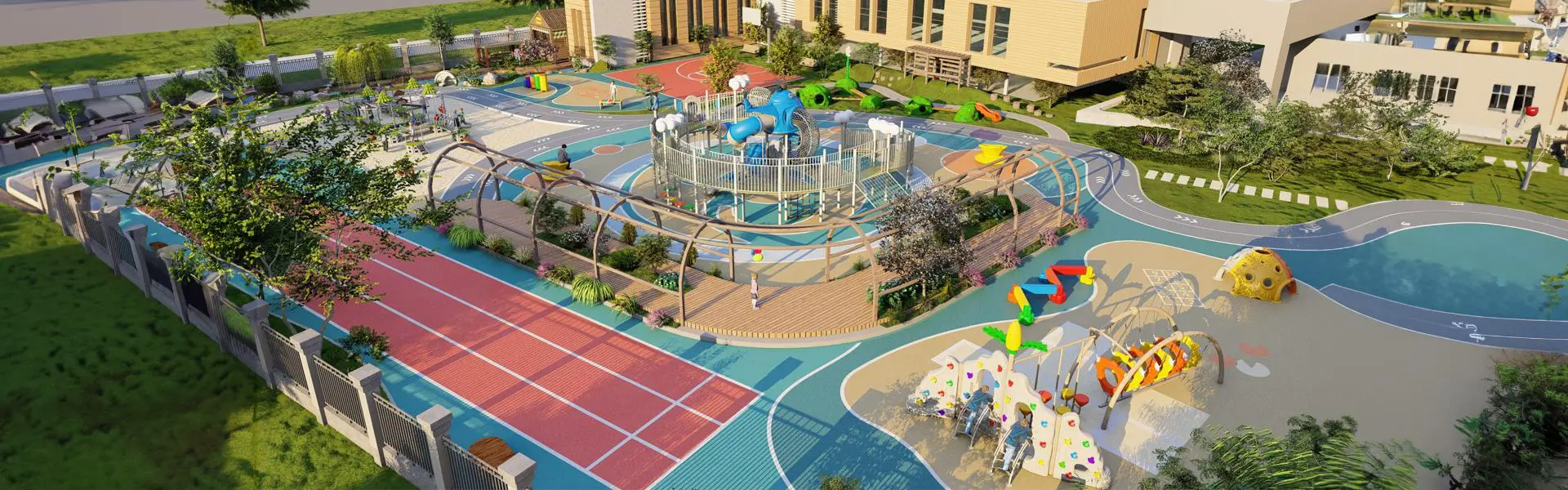
In recent years, the landscape of playgrounds across South Africa has undergone a significant transformation, largely driven by the increasing popularity and implementation of plastic playground equipment. This shift from traditional materials like wood and metal to plastic is not merely a trend but a reflection of broader societal, environmental, and economic factors unique to the region.
Durability and Safety Concerns
One of the primary reasons for the surge in plastic playground equipment is its unparalleled durability. South Africa’s diverse climate, with its scorching summers, torrential rains, and coastal winds, poses a significant challenge to conventional playground materials that are prone to rust, rot, and decay. Plastic, on the other hand, stands resilient against these elements, offering a longer lifespan and reducing the need for frequent replacements, which can be particularly beneficial for schools and parks operating on tight budgets.
Safety is another critical factor. Plastic equipment often comes with rounded edges and softer surfaces, minimizing the risk of injuries compared to their metallic or wooden counterparts. This is especially crucial in South African communities where access to immediate medical care can be limited. Furthermore, the use of high-quality, non-toxic plastics ensures that children are not exposed to harmful substances during play.
Economic Factors and Cost-Effectiveness
Economic considerations have also played a significant role in the adoption of plastic playground equipment in South Africa. The initial investment in plastic may seem higher compared to traditional materials, but when considering long-term maintenance costs, plastic proves to be more cost-effective. Its resistance to wear and tear reduces ongoing expenses such as repairs, painting, and even replacement parts. For many municipalities and educational institutions grappling with budget constraints, this makes plastic an attractive option.
Additionally, the availability of locally manufactured plastic products has contributed to cost savings. With the growth of domestic plastic manufacturing industries, transportation and import costs are minimized, making it easier for local governments and organizations to procure playground equipment without breaking the bank.
Environmental Impact
While plastic is often criticized for its environmental footprint, advancements in recycling technologies and the use of eco-friendly alternatives have mitigated some concerns. Recycled plastic materials are increasingly being used in the production of playground equipment, aligning with global sustainability goals and reducing waste. In countries like South Africa, where landfill space is limited, and environmental conservation is a priority, this represents a significant advantage.
Moreover, the longevity of plastic equipment means less frequent disposal, further decreasing environmental strain. When it does come time to replace old equipment, many modern plastics are designed to be fully recyclable, ensuring a closed-loop system that minimizes ecological impact.
Cultural and Social Implications
The introduction of vibrant, colorful, and design-flexible plastic playground equipment has also had cultural and social implications. Playgrounds featuring plastic slides, swings, and climbing frames have become hubs of community activity, fostering social cohesion among children from diverse backgrounds. These spaces encourage inclusivity and provide equal opportunities for physical activity and recreation, contributing to the overall well-being of young South Africans.
In conclusion, the rise of plastic playground equipment in South Africa is a multifaceted phenomenon driven by durability, safety, economic viability, and environmental considerations. As technology advances and awareness grows, it is likely that we will continue to see innovative uses of plastic in creating safe, sustainable, and engaging play spaces for future generations.