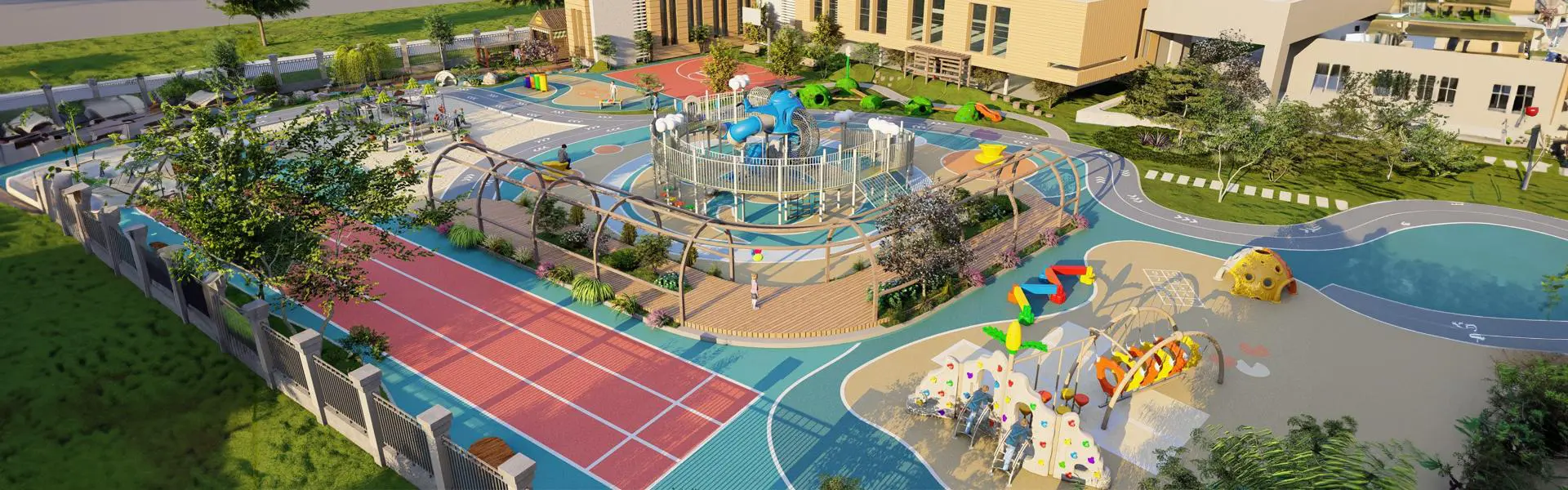
Designing a perfect play area for children is an exciting endeavor that combines creativity, functionality, and safety. A well-thought-out kids’ play area setup not only provides endless hours of fun but also ensures a secure environment where parents can have peace of mind. Whether you’re setting up indoors or outdoors, here are some essential tips to help you create an ultimate play space that your children will adore.
Indoor Play Area
- Safety First
- Soft Mats and Rugs: Invest in soft mats and rugs to cushion any tumbles or falls. Foam interlocking tiles work great as they are safe, durable, and easy to clean.
- Furniture Choices: Choose furniture with rounded edges and no sharp corners. Consider lightweight options to minimize injury risk.
- Educational Toys
- Interactive Books and Puzzles: Encourage learning through play by incorporating books, puzzles, and interactive games. These activities enhance cognitive development and keep kids engaged.
- Building Blocks: Set up a corner with various building blocks like LEGO or wooden blocks. Building helps develop fine motor skills and fosters creativity.
- Creative Corners
- Art Supplies Station: Create a dedicated art station stocked with crayons, markers, colored paper, and glue. This area encourages artistic expression.
- Dress-Up Clothes: Add a small wardrobe with costumes, hats, and accessories for imaginative play. This stimulates social skills and storytelling abilities.
- Quiet Time Space
- Reading Nook: Design a cozy reading nook with comfortable bean bags, soft pillows, and a selection of age-appropriate books. This space promotes literacy and offers a quiet retreat.
Outdoor Play Area
- Safe Play Surfaces
- Rubber Mulch or Wood Chips: Use rubber mulch or wood chips as ground cover to provide a soft, shock-absorbing surface around playground equipment.
- Proper Surfacing: Ensure swings, slides, and other structures are installed on proper surfacing materials to prevent injuries from falls.
- Play Equipment Variety
- Slides and Swings: Classic slides and swings remain favorites for many children. Ensure they are age-appropriate and securely anchored.
- Climbing Structures: Climbing walls or jungle gyms offer physical activity and build coordination. Make sure these structures are stable and have adequate padding.
- Nature Integration
- Sandbox: A sandbox provides tactile sensory play. Fill it with clean, fine sand and include toys like shovels, buckets, and sand molds.
- Garden Space: Incorporate a small garden area where kids can plant flowers, vegetables, or herbs. This teaches responsibility and connects them with nature.
- Water Play
- Sprinklers and Kiddie Pools: On hot days, a sprinkler or a shallow kiddie pool becomes a refreshing oasis. Supervise water activities closely to ensure safety.
General Tips for Both Indoors and Outdoors
- Organization
- Use bins, baskets, and shelves to keep toys organized. Label each storage container to make cleanup time more manageable and teach kids about tidiness.
- Maintenance
- Regularly inspect all play equipment for wear and tear. Tighten screws, replace broken parts, and sanitize toys frequently to maintain a safe play environment.
- Flexibility
- As children grow, their interests may change. Be prepared to adapt the play area setup by swapping out toys or rearranging furniture to meet their evolving needs.
By following these guidelines, you can create an engaging and secure play area for your kids, filled with opportunities for learning, exploration, and fun. Remember, the best play areas are those that cater to your children’s unique interests while ensuring their safety above all else. Happy playing!