Indoor playgrounds have become increasingly popular as parents, guardians, and caregivers seek safe, stimulating environments for children to play. These facilities offer a controlled setting where kids can enjoy physical activities regardless of weather conditions, making them an attractive option year-round. But one question that frequently arises among potential investors and entrepreneurs is, “How much do indoor playgrounds really make?”
The financial success of an indoor playground can vary significantly based on multiple factors, including location, size, operational costs, and market demand. However, with careful planning and strategic management, many indoor playgrounds have found themselves on solid financial footing. Here’s a closer look at the elements that contribute to their profitability.
Location Matters
One of the most critical determinants of an indoor playground’s earnings is its location. Prime spots in high-traffic areas such as shopping malls, near residential neighborhoods, or close to educational institutions tend to attract more visitors. Proximity to these locations not only increases visibility but also convenience for parents who are more likely to frequent such venues.
A well-placed indoor playground can expect higher foot traffic, translating into increased ticket sales, memberships, and potentially more revenue from food and beverage sales if the facility includes a café or snack bar.
Size and Facilities
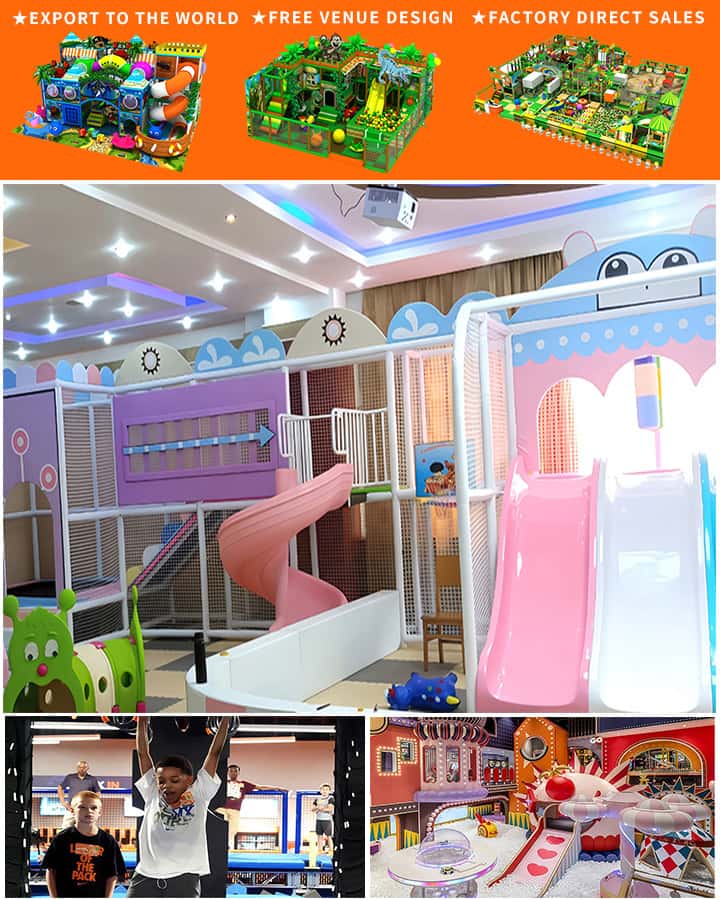
The size of the indoor playground plays a significant role in dictating how much it can earn. Larger facilities can accommodate more visitors at once, offer a wider variety of attractions, and create diverse revenue streams. Features like climbing walls, ball pits, slides, and interactive games can keep children engaged for hours, encouraging repeat visits and longer stays.
Moreover, offering additional services such as birthday party hosting, group events, and after-school programs can diversify income sources and bolster overall earnings. These extracurricular offerings appeal to different customer segments and provide multiple touchpoints for revenue generation.
Operational Costs
Running an indoor playground involves various operational costs, including staffing, maintenance, utilities, and marketing. Efficient management of these expenses is crucial for maximizing profits. Staffing costs can be optimized by employing a mix of full-time and part-time workers depending on peak and off-peak times. Regular maintenance ensures safety and longevity of the equipment, reducing the risk of costly repairs and enhancing customer satisfaction.
Utilities such as electricity and water may represent a significant portion of ongoing costs, but energy-efficient appliances and smart usage practices can mitigate some of these expenses. Marketing efforts, while essential for attracting customers, should be planned strategically to ensure a good return on investment. Leveraging social media, community partnerships, and special promotions can drive traffic without breaking the bank.
Market Demand and Competition
Understanding the local market demand is vital for setting realistic revenue expectations. Conduct thorough market research to gauge the level of interest, target demographics, and competitive landscape in your area. High demand coupled with minimal competition can lead to robust earnings. On the other hand, entering a saturated market might require innovative strategies to carve out a niche and lure customers away from established players.
Financial Snapshot
While specific figures can vary, some successful indoor playgrounds report annual revenues ranging from several hundred thousand to over a million dollars. The key takeaway is that indoor playgrounds hold significant profit potential when all variables align favorably. Strategic location selection, diversified services, efficient cost management, and keen understanding of market dynamics form the cornerstone of financial success in this sector.
In conclusion, the earnings of an indoor playground are not a one-size-fits-all scenario. By considering location advantages, optimizing operational costs, diversifying income streams, and tapping into local demand effectively, operators can unlock substantial profitability in this thriving industry. With meticulous planning and execution, indoor playgrounds can indeed become lucrative ventures that delight both business owners and young patrons alike.