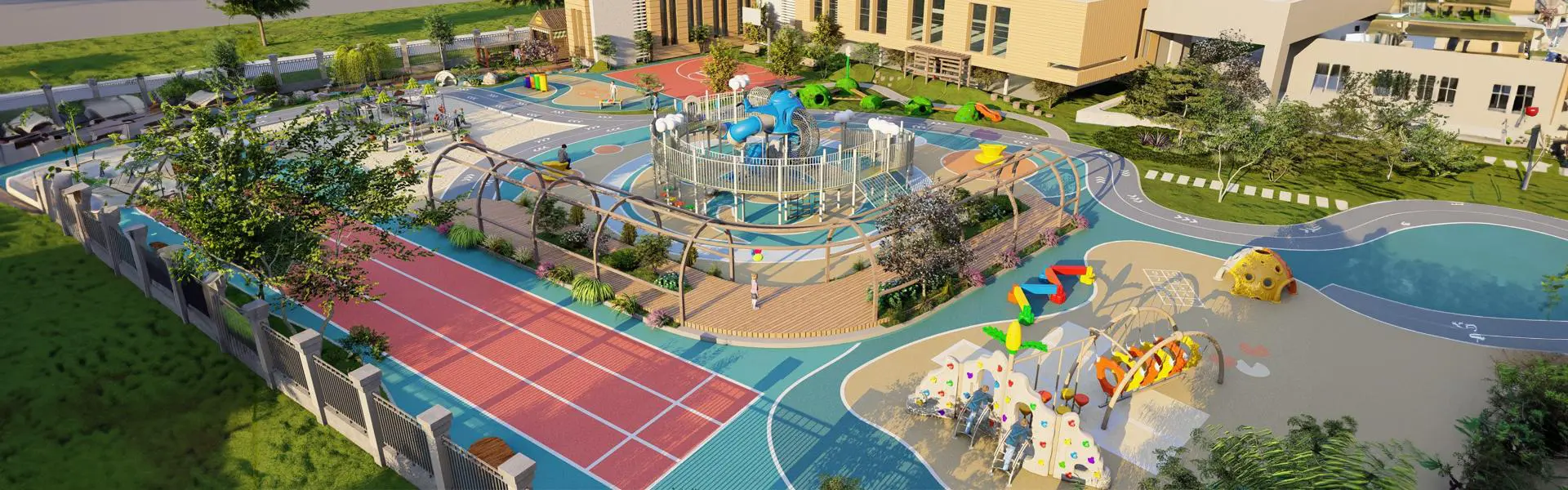
Indoor playgrounds have become increasingly popular as a go-to destination for families looking to ensure their children have a fun and safe place to expend energy, especially on days when outdoor play is not an option. However, setting up an indoor playground involves various costs that need careful consideration. This article aims to break down the key expenses associated with establishing and maintaining an indoor playground, offering valuable insights into what prospective owners should expect.
Initial Setup Costs
The journey to opening an indoor playground begins with several initial expenses. The foremost among these is acquiring suitable real estate. Depending on location and size, commercial property can be a significant investment. Rent or mortgage payments could vary considerably based on urban or suburban settings, impacting the overall budget.
Next comes the design and construction phase. Renovation costs for creating a safe and engaging environment can add up quickly. This includes installing soft flooring, safety barriers, and age-appropriate play equipment like slides, climbing frames, and ball pits. Customized designs might further increase costs, but they are essential for standing out in a competitive market.
Equipment Procurement
One of the most substantial expenses is the procurement of play equipment. High-quality, durable materials are necessary to ensure safety and longevity. This includes items such as:
- Climbing Structures - These range from simple ladders to elaborate multi-tiered climbing walls.
- Slides - Available in different sizes, shapes, and materials; spiral slides are particularly popular.
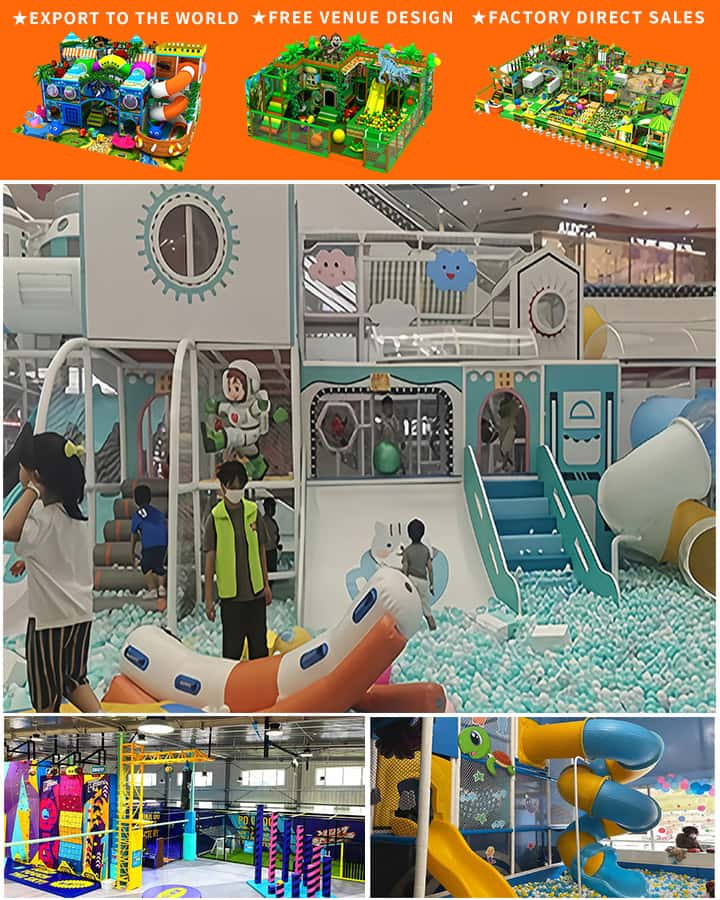
- Trampolines - Both open and enclosed options come at varying prices.
- Interactive Toys - These can include sensory toys, interactive games, and educational elements.
Each piece of equipment must meet stringent safety standards, which can sometimes lead to higher upfront costs but ultimately provides peace of mind and reduces liability risks.
Licensing and Insurance
Operating an indoor playground requires adhering to local regulations and obtaining the necessary licenses. This may include zoning permits, health department approvals, and fire safety inspections. Each of these steps involves fees that contribute to the initial setup cost.
Insurance is another crucial aspect. Businesses must obtain liability insurance to protect against accidents and injuries. Given the nature of indoor playgrounds, comprehensive coverage is essential, making this an ongoing annual expense but a critical one for mitigating financial risk.
Ongoing Maintenance
Once the playground opens, the focus shifts to maintenance. Regular upkeep is vital to ensure the safety and appeal of the facility:
- Safety Inspections: Routine checks for wear and tear, structural integrity, and hygiene can prevent accidents.
- Cleaning Services: Daily cleaning schedules help maintain a sanitary environment, especially in high-traffic areas.
- Equipment Repairs: Promptly fixing broken equipment ensures a seamless experience for visitors and extends the lifespan of the installations.
Maintenance costs can fluctuate depending on usage levels and the quality of initial installations.
Marketing and Operational Costs
To attract customers, marketing efforts such as social media campaigns, flyers, and partnerships with local schools or community centers are necessary. Allocating a budget for these activities ensures steady foot traffic and brand recognition.
Operational costs also include staffing. Hiring responsible, friendly staff is crucial for supervising play areas and ensuring visitor satisfaction. Salaries, training programs, and employee benefits are ongoing expenditures.
Conclusion
Establishing and operating an indoor playground is a considerable financial commitment that involves various costs, from initial setup to ongoing maintenance and marketing. Careful planning and budgeting are essential for success in this venture. While the initial outlay might seem daunting, a well-run indoor playground can provide a rewarding return on investment through membership fees, parties, and special events. By understanding and preparing for these costs, entrepreneurs can create a thriving business that offers children a delightful and safe environment to play.