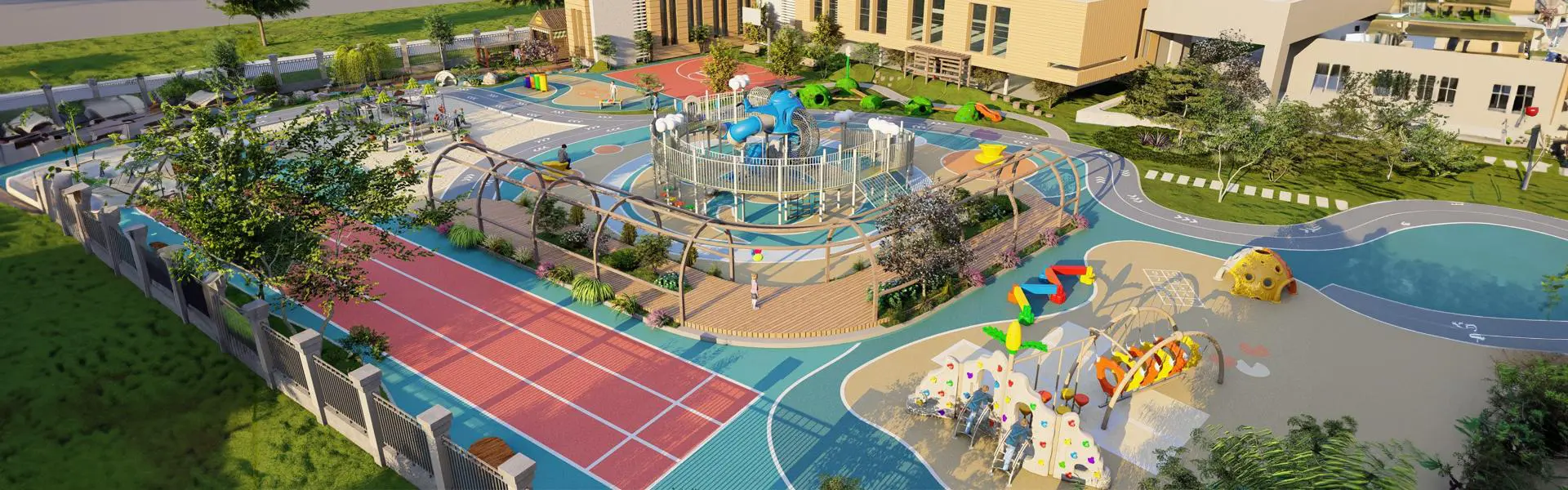
In recent years, the indoor playground industry has experienced significant growth, fueled by rising consumer demand for safe and engaging recreational environments. This article delves into key statistics that illustrate the industry’s current landscape, its economic impact, and future trajectories.
Market Size and Growth
The global indoor playground market is projected to reach a staggering USD 5 billion by 2026, growing at an impressive Compound Annual Growth Rate (CAGR) of 8% during the forecast period from 2019 to 2026. This growth is attributed to several factors, including urbanization, increasing disposable incomes, and a heightened awareness of the benefits of physical play for children’s development.
Demographics and User Trends
Parents are increasingly seeking out indoor playgrounds as a reliable alternative to outdoor play areas, particularly in urban settings where space is limited and weather can be unpredictable. According to surveys, nearly 60% of parents prefer indoor playgrounds because they offer controlled, safe environments where their children can play freely without exposure to harsh weather conditions or potential outdoor hazards.
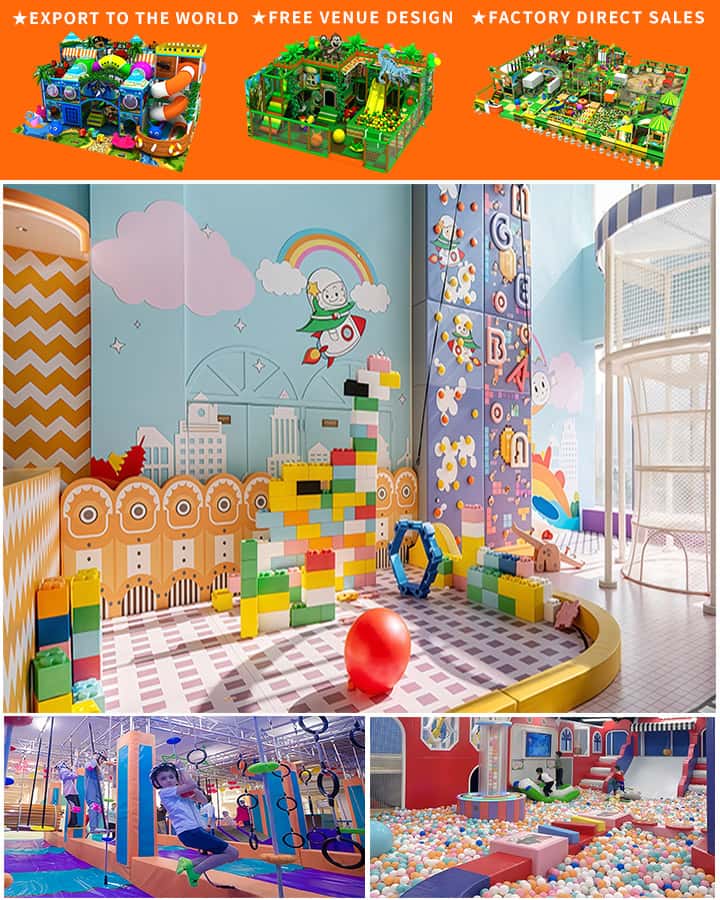
Additionally, the rise of dual-income families has contributed to the growth of this industry. Many parents turn to indoor playgrounds not only as a recreational option but also as a convenient solution for childcare during work hours.
Economic Impact
The indoor playground industry plays a significant role in local economies by creating jobs and attracting consumers. A single large indoor playground facility can generate dozens of jobs, ranging from management and maintenance staff to entertainers and customer service representatives. Furthermore, these facilities often host events and parties, generating additional revenue streams that benefit local economies.
On a broader scale, the industry contributes significantly to the hospitality sector. Hotels and resorts are increasingly incorporating indoor playgrounds as amenities to attract families. This trend is especially prevalent in markets such as North America and Europe, where family tourism is a major economic driver.
Technological Advancements
Technology is revolutionizing the indoor playground experience, making it more interactive and engaging than ever before. Augmented reality (AR) and virtual reality (VR) features are being integrated into some indoor playgrounds, offering immersive experiences that blend physical activity with digital play. These technological advancements not only enhance the visitor experience but also set innovative indoor playgrounds apart from traditional ones.
Challenges and Solutions
Despite its rapid growth, the indoor playground industry faces challenges such as high operational costs, stringent safety regulations, and intense competition. To mitigate these issues, many operators are adopting advanced management software for efficient scheduling and cost management. Additionally, investing in high-quality materials and state-of-the-art equipment ensures compliance with safety standards while minimizing the risk of accidents.
Future Outlook
Looking ahead, the indoor playground industry is poised for continued expansion. As technology becomes more accessible and affordable, we can expect even more creative and interactive play spaces. Furthermore, the increasing emphasis on health and wellness among consumers suggests that indoor playgrounds will become a staple in community centers, malls, and educational institutions.
In conclusion, the indoor playground industry is thriving due to its ability to provide a safe, enjoyable, and convenient recreational option for children and families. With ongoing advancements and a favorable market outlook, this dynamic sector is set to grow even further in the coming years.