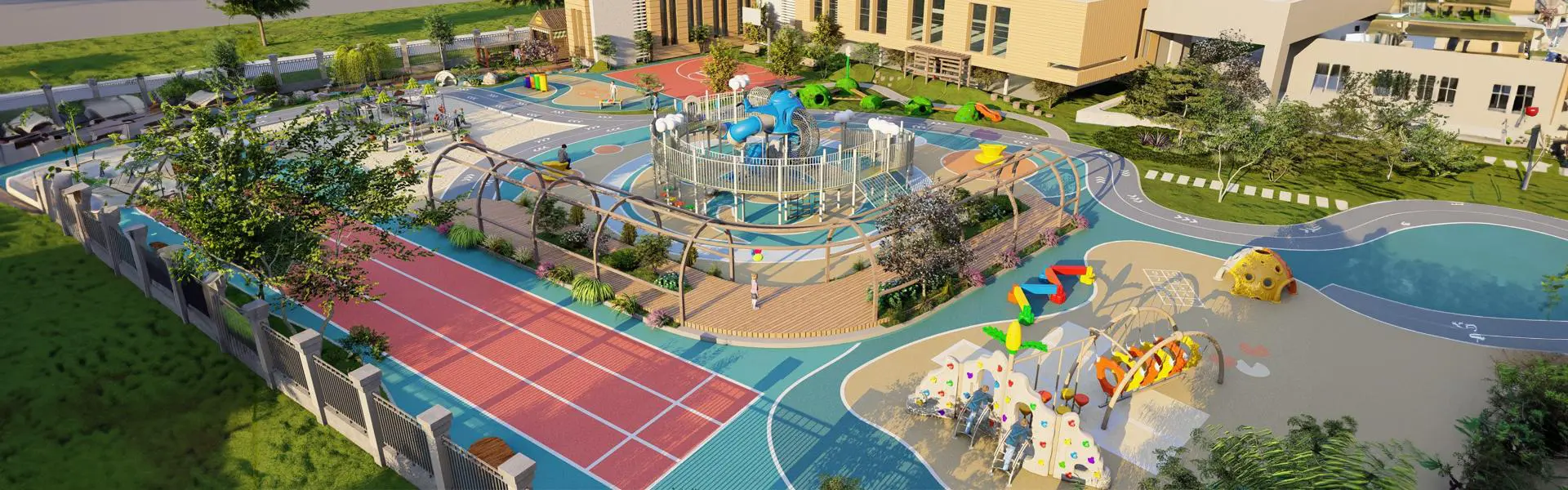
Starting an indoor playground business can be a lucrative venture, especially given the growing demand for family-friendly entertainment options. As more families seek safe and engaging environments for their children, indoor playgrounds are becoming increasingly popular. However, launching such a business requires careful planning, strategic decision-making, and thorough execution. This article provides a comprehensive guide to help you navigate the process of starting an indoor playground business.
Market Research and Planning
Identify Your Target Market
The first step in starting any business is understanding your target market. In this case, your primary audience will likely be parents with young children. Consider conducting surveys or focus groups to gather insights about what parents in your area are looking for in an indoor playground. Key aspects include location preferences, types of play structures, safety concerns, and willingness to spend.
Analyze Competitors
Research existing indoor playgrounds in your vicinity to understand what they offer and identify any gaps in the market. Look into the pricing models, services provided, and customer reviews to gain a competitive edge. Your unique selling proposition (USP) could be anything from state-of-the-art equipment to specialized programs like sensory play sessions or educational workshops.
Develop a Business Plan
A robust business plan is crucial for guiding your venture through its initial stages. Your plan should include an executive summary, mission statement, detailed market analysis, operational plan, marketing strategy, financial projections, and funding requirements. Make sure your business plan is realistic yet ambitious, setting achievable milestones and key performance indicators (KPIs) to track your progress.
Legal Considerations and Permits
Register Your Business
Choose a suitable business structure, such as a sole proprietorship, partnership, or limited liability company (LLC), and register your business name with the appropriate local authorities. Ensure that your business name is both catchy and legally available.
Obtain Necessary Permits
Permits required for an indoor playground business may vary depending on your location but generally include a business license, health department permits, fire safety certifications, and zoning approvals. It’s advisable to consult with a local business attorney to ensure all legal bases are covered.
Insure Your Business
Protect your business from unforeseen liabilities by obtaining comprehensive insurance. At minimum, you should have general liability insurance, property insurance, and workers’ compensation insurance if you plan to hire employees. Additional coverage might include professional liability insurance and product liability insurance.
Location and Facility Design
Choose the Right Location
Selecting the right location can make or break your business. Look for a spot that is easily accessible, preferably near residential areas or shopping centers where families frequent. High visibility and convenient parking are also important factors.
Design the Play Area
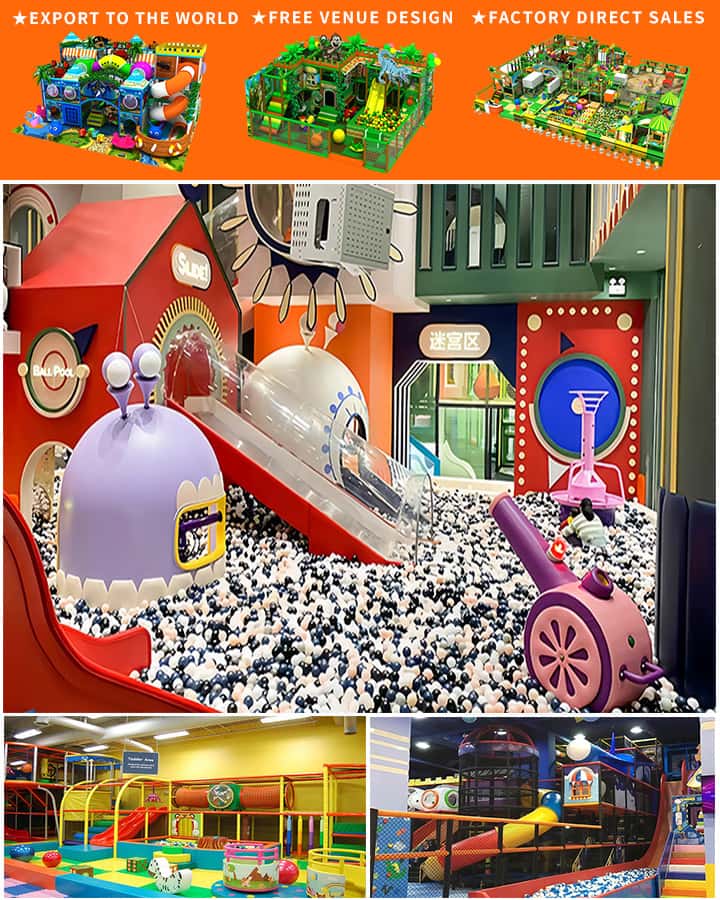
The design of your indoor playground should prioritize safety, creativity, and inclusivity. Incorporate a mix of climbing structures, slides, ball pits, trampolines, and interactive games to cater to various age groups. Ensure that the materials used are non-toxic and comply with safety standards. Hiring a professional playground designer can help create an appealing layout that maximizes space and enhances the overall experience.
Safety First
Safety is paramount in an indoor playground setting. Regular maintenance checks, proper installation of equipment, and clear safety protocols should be part of your daily operations. Staff training on emergency procedures and first aid is essential to handle any incidents promptly.
Marketing and Promotion
Build an Online Presence
In today’s digital age, having a strong online presence is non-negotiable. Create a professional website showcasing your indoor playground, complete with photos, service offerings, pricing, and customer testimonials. Leverage social media platforms like Facebook, Instagram, and Twitter to engage with the community, share updates, and run promotions.
Host Open Houses and Events
An effective way to attract customers is by hosting open houses or special events during the grand opening phase. Offer discounted rates or free trial sessions to entice families to visit. Collaborate with local schools, preschools, and parent groups to spread the word and organize group visits.
Implement Loyalty Programs
Retaining customers is as important as attracting new ones. Implement loyalty programs that reward repeat visitors with discounts or free passes. Special membership packages offering unlimited access for a set period can also be a great incentive for families to return.
Financial Management
Budget Wisely
Carefully manage your budget to cover initial setup costs, ongoing expenses, and unexpected contingencies. Expenses may include rent, utilities, equipment maintenance, staff salaries, marketing costs, and inventory for retail items like snacks or souvenirs. Keep meticulous records of all transactions and regularly review your financial statements to stay on track.
Diversify Revenue Streams
To stabilize your income, consider diversifying revenue streams beyond entry fees. You could sell merchandise, offer party packages, host workshops or classes, or provide rental services for private events. These additional income sources can help mitigate risks and improve profitability.
Starting an indoor playground business involves meticulous planning, strategic investments, and a deep understanding of your target market. By following these steps and maintaining a customer-centric approach, you can create a thriving business that delights children and brings peace of mind to parents. Remember that success doesn’t happen overnight; patience, persistence, and continuous improvement are key to building a sustainable and profitable venture.