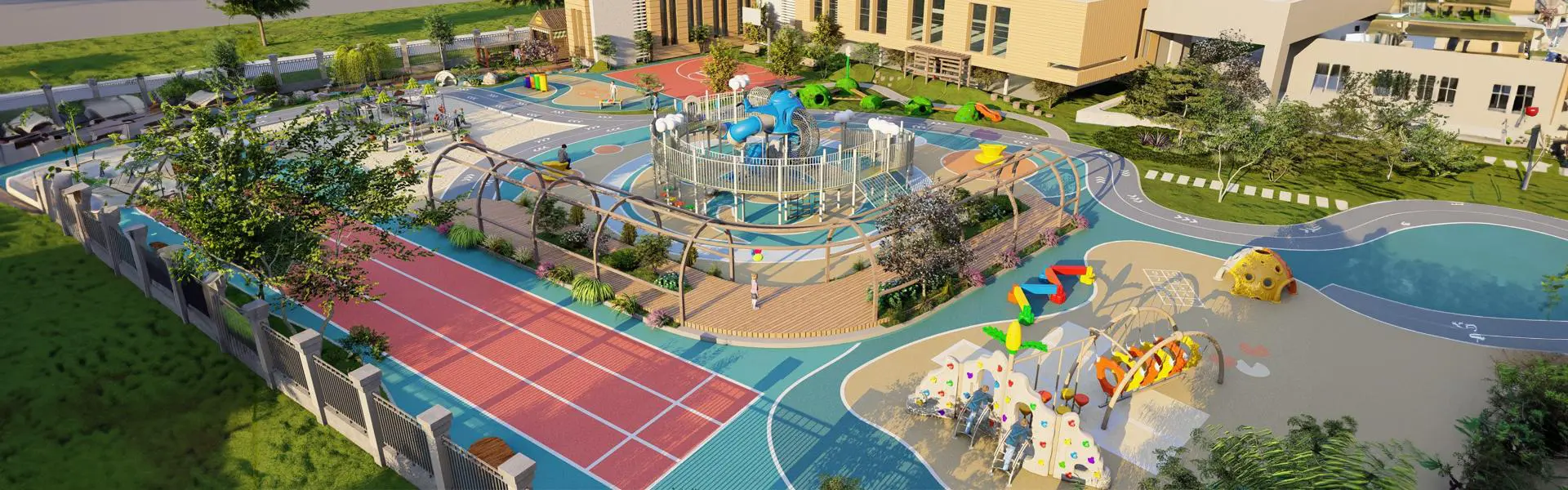
Opening an indoor playground business can be a rewarding venture, providing a safe and enjoyable environment for children while offering a profitable business opportunity for you. However, like any business, it requires careful planning and execution. Here’s a comprehensive guide to help you open your own indoor playground business.
Market Research
Before diving into the specifics of opening an indoor playground, conduct thorough market research. Understand the demand in your area by:
- Surveying Potential Customers: Identify local families, schools, and community centers as potential customers. Survey them to understand their preferences, budget, and needs.
- Analyzing Competitors: Visit nearby indoor playgrounds or similar entertainment venues to see what they offer. Note their strengths and weaknesses.
- Evaluating Location: Choose a location with high foot traffic, such as near residential areas, shopping centers, or educational institutions. Consider the size of the facility and whether it can accommodate peak hours efficiently.
Business Plan
A robust business plan is essential for securing funding and guiding your operations. Key components include:
- Executive Summary: Outline your business goals, vision, and mission.
- Market Analysis: Include insights from your market research.
- Organizational Structure: Define roles and responsibilities within your team.
- Services Offered: Describe the types of play structures and activities you’ll provide.
- Marketing Strategy: Detail how you plan to attract and retain customers.
- Financial Projections: Estimate startup costs, operating expenses, revenue forecasts, and break-even analysis.
Legal Considerations
Ensure your business complies with all local, state, and federal regulations. Steps include:
- Business Registration: Register your business name and obtain the necessary permits and licenses.
- Insurance: Acquire liability insurance to protect against accidents and injuries.
- Health and Safety Compliance: Adhere to safety standards for indoor playgrounds, including fire codes, sanitation, and equipment maintenance.
- Employment Laws: If hiring staff, comply with labor laws regarding wages, working conditions, and employment contracts.
Designing Your Playground
The design of your indoor playground is crucial for attracting and retaining customers. Consider the following:
- Age Groups: Cater to different age groups with appropriate play structures and activities.
- Safety First: Use soft flooring materials, secure climbing frames, and ensure all equipment is well-maintained.
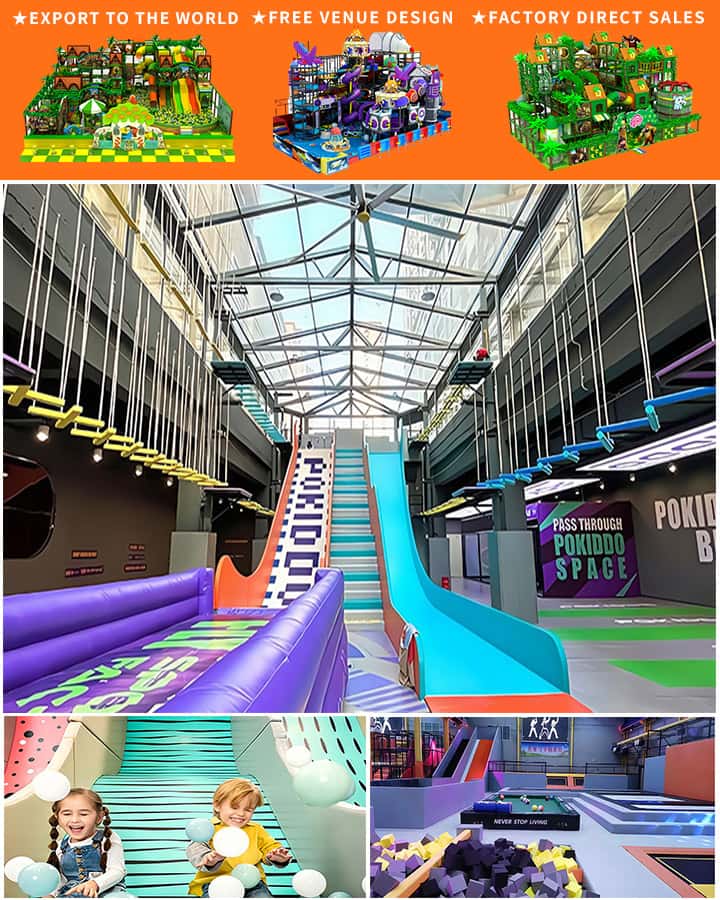
- Interactive Elements: Incorporate elements like ball pits, slides, trampolines, and obstacle courses.
- Theme: A cohesive theme can make your playground more attractive and memorable for children and parents alike.
- Cleanliness: Implement easy-to-clean surfaces and regular cleaning schedules to maintain hygiene.
Procurement of Equipment
Invest in high-quality, durable play equipment from reputable suppliers. Consider:
- Reputation: Choose suppliers known for their reliability and product quality.
- Customization: Opt for customizable options to tailor equipment to your space and theme.
- Warranty: Ensure products come with warranties to protect your investment.
Marketing and Promotions
Effective marketing is key to building awareness and attracting customers. Strategies include:
- Branding: Develop a strong brand identity, including logo, color scheme, and messaging that appeals to both children and parents.
- Online Presence: Create a website and social media profiles to showcase your playground, share updates, and engage with the community.
- Local Partnerships: Collaborate with local schools, parent groups, and community organizations for events and promotions.
- Special Offers: Introduce loyalty programs, discounts, and special event packages to encourage repeat visits.
Staff Training and Operations
Hire friendly, responsible staff who are passionate about working with children. Training should cover:
- Safety Protocols: Ensure all employees understand and follow strict safety guidelines.
- Customer Service: Teach staff how to interact positively with children and their parents, handling complaints and inquiries efficiently.
- Operational Procedures: Train employees on daily tasks such as opening/closing procedures, cleaning routines, and emergency protocols.
Financial Management
Keep meticulous financial records and monitor your cash flow regularly. Tips include:
- Budgeting: Create a detailed budget covering startup costs and ongoing expenses.
- Revenue Streams: Diversify income sources through admission fees, membership packages, party bookings, and concession sales.
- Expense Tracking: Use accounting software to track expenses and manage invoices efficiently.
Continuous Improvement
Regularly solicit feedback from customers and stay updated with industry trends to keep your indoor playground appealing and competitive.
Conclusion
Opening an indoor playground business involves meticulous planning, strategic execution, and continuous effort. By focusing on market research, legal compliance, quality equipment, effective marketing, and superior customer service, you can create a successful and enjoyable destination for children and their families. With dedication and passion, your indoor playground can thrive and become a beloved part of the community.