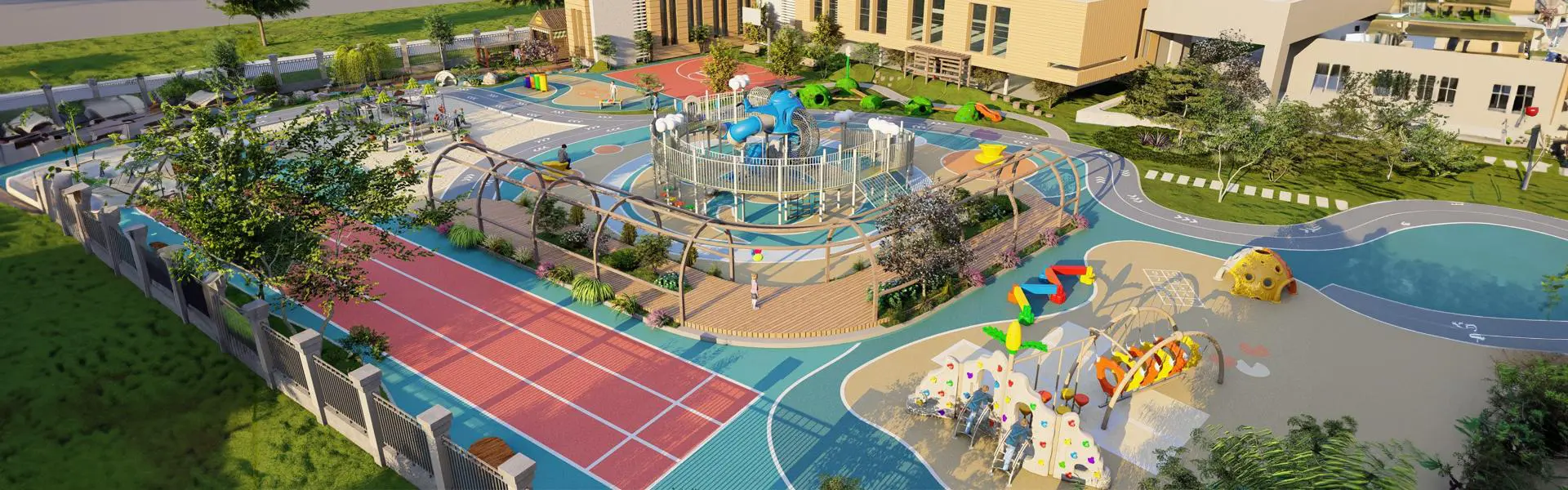
Creating your own indoor playground is an innovative way to ensure that children have a fun, safe, and stimulating environment, regardless of the weather outside. With a little creativity and planning, you can design a space that encourages physical activity, social interaction, and imaginative play. Here’s how to get started on building your own indoor playground.
Planning Your Space
The first step in building your indoor playground is to assess the available space. Whether you have a large basement, a spare room, or even a sectioned-off corner of a living area, understanding the dimensions of your space will help you plan effectively. Sketch out the layout, considering safety zones, storage areas, and the types of equipment you want to include.
Choosing the Right Equipment
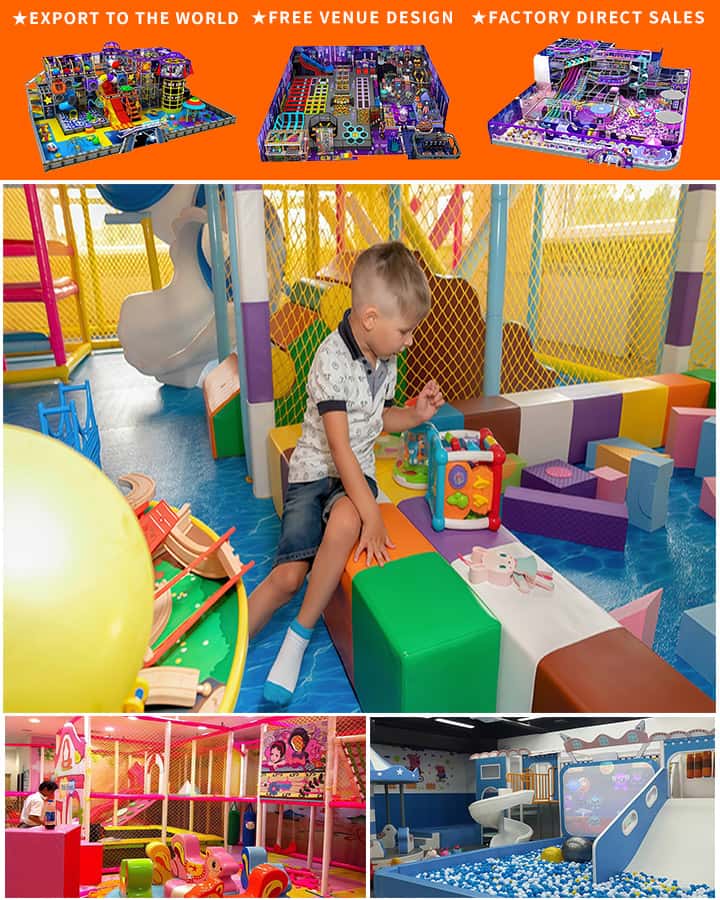
Once you have your space mapped out, it’s time to select the equipment. Think about the ages and interests of the children who will be using the playground. For younger kids, consider soft play structures like foam mats and small slides. Older children might enjoy climbing walls, monkey bars, and trapeze bars. Don’t forget to include some classic pieces like balls, hula hoops, and jump ropes for versatile play options.
Safety First
Safety is paramount when building an indoor playground. Ensure all equipment is age-appropriate and meets safety standards. Use non-toxic materials and make sure there are no sharp edges or small parts that could pose a choking hazard. Installing padded flooring or using thick foam mats can help cushion falls and prevent injuries. Additionally, secure any heavy or wall-mounted equipment to avoid tipping hazards.
Adding Creative Touches
An indoor playground doesn’t have to be all about physical play; it can also be a haven for creativity and learning. Incorporate areas for arts and crafts, reading nooks with cozy bean bags, and interactive educational toys. Themed play areas, such as a mini kitchen or a pretend store, can spark imaginative play and help develop social skills.
Maximizing Vertical Space
If floor space is limited, think vertically. Install shelves for storing toys, use wall-mounted racks for sports equipment, and consider multi-level play structures. Lofted platforms or elevated walkways can add an element of excitement and make efficient use of vertical space.
Maintaining the Playground
Regular maintenance is key to keeping your indoor playground safe and enjoyable. Inspect equipment regularly for wear and tear, and clean surfaces to prevent the buildup of germs. Rotate toys and activities periodically to keep things fresh and engaging for the children.
Conclusion
Building your own indoor playground can transform an ordinary space into a hub of activity, creativity, and joy. By carefully planning your space, choosing the right equipment, prioritizing safety, and adding creative touches, you can create an indoor oasis that offers endless fun and exercise for kids of all ages. So roll up your sleeves, unleash your creativity, and start building the ultimate indoor playground today!