
Opening an indoor playground business can be both a rewarding and lucrative venture, offering a fun, safe environment for children and a steady stream of income for the entrepreneur. However, launching such a business requires meticulous planning, thorough research, and a solid understanding of various critical aspects. This guide aims to provide a comprehensive overview of the steps involved in opening an indoor playground business, from conceptualization to execution.
Conduct Thorough Market Research
Before diving into the specifics, it’s crucial to conduct detailed market research. Understand your target demographic—consider factors such as age groups, location preferences, disposable income, and parental attitudes towards indoor activities. Analyzing competitors is just as vital; visit other indoor playgrounds to evaluate their strengths and weaknesses. Pay attention to their pricing models, customer reviews, and overall ambiance to differentiate your establishment effectively.
Develop a Solid Business Plan
A well-structured business plan is the backbone of your venture. Outline key components such as:
- Executive Summary: An overview of your business idea, including mission statements and objectives.
- Market Analysis: Insights gathered from your market research, detailing potential demand, competition, and target audience characteristics.
- Services Offered: Detailed descriptions of the activities, equipment, and facilities you will offer.
- Marketing Strategy: Plans for branding, promotions, and customer engagement to attract and retain clients.
- Financial Projections: Budgetary outlines, revenue forecasts, and break-even analysis to ensure financial viability.
- Operational Plan: Staffing requirements, operational hours, and logistical considerations.
Choose the Right Location
Selecting the right location is paramount. Look for areas with a high footfall from families, such as shopping malls, residential neighborhoods, or community centers. Ensure adequate space for the playground equipment, seating areas for parents, and additional facilities like restrooms and storage rooms. The chosen location should also comply with local zoning laws and safety regulations.
Acquire Licensing and Insurance
Obtaining necessary permits and licenses is non-negotiable. These typically include a business license, health and safety inspections, and compliance with fire codes. Additionally, invest in comprehensive insurance coverage to protect against liabilities, accidents, and property damage. Engaging legal counsel can help navigate these regulatory requirements effectively.
Design and Equip Your Playground
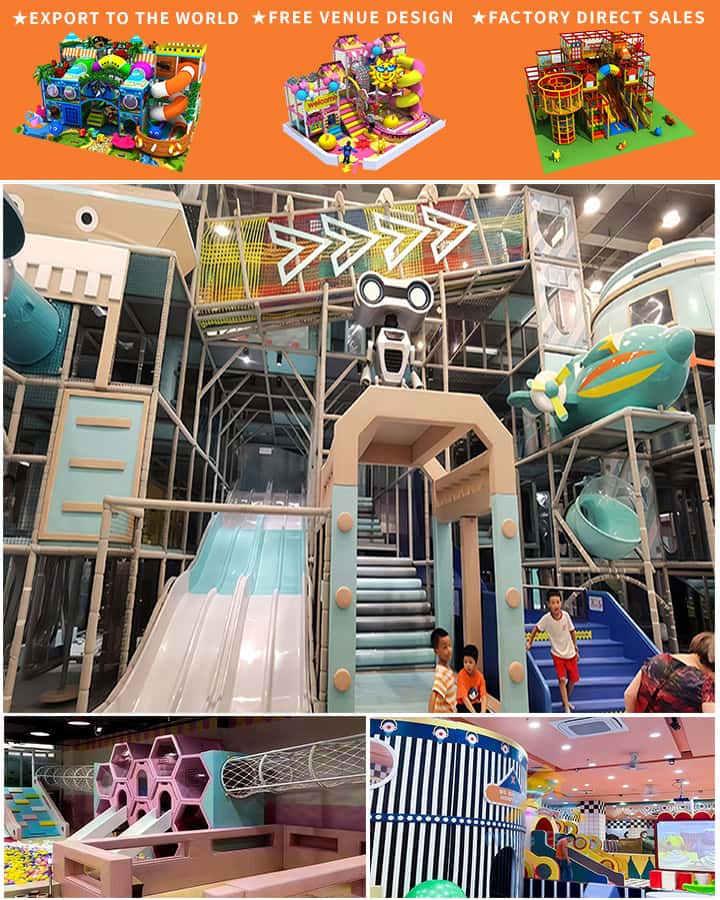
The design of your indoor playground should captivate children’s imaginations while ensuring utmost safety. Collaborate with reputable suppliers to acquire high-quality playground equipment, such as slides, climbing frames, ball pits, and trampolines. Consider incorporating themed areas to keep the experience fresh and engaging for repeat customers. Regular maintenance checks are essential to uphold safety standards and prolong equipment lifespan.
Hire and Train Dedicated Staff
Your staff forms the frontline of your business, directly impacting customer satisfaction. Employ individuals who are not only skilled but also passionate about working with children. Provide them with comprehensive training on safety protocols, first aid, customer service, and conflict resolution. Establish clear policies and procedures to maintain a consistent level of service quality.
Implement Marketing Strategies
Effective marketing is crucial to attract and retain customers. Develop a compelling brand identity that resonates with your target audience. Utilize social media platforms, local advertisements, and community events to create buzz around your opening. Offer introductory discounts, loyalty programs, and seasonal promotions to incentivize visits. Word-of-mouth referrals from satisfied customers can significantly boost your visibility.
Focus on Customer Experience
Above all, prioritize delivering an exceptional customer experience. Ensure cleanliness, organization, and a welcoming atmosphere at all times. Solicit feedback regularly and make improvements based on customer input. Building strong relationships with families fosters trust and encourages repeat business.
Conclusion
Opening an indoor playground business involves careful planning, strategic decision-making, and a commitment to excellence in every aspect. By following this ultimate guide, you can set a solid foundation for your business, creating a vibrant and safe haven for children to play and learn while achieving your entrepreneurial goals. Remember, continuous innovation and adaptation are key to staying competitive and thriving in the dynamic landscape of family entertainment.