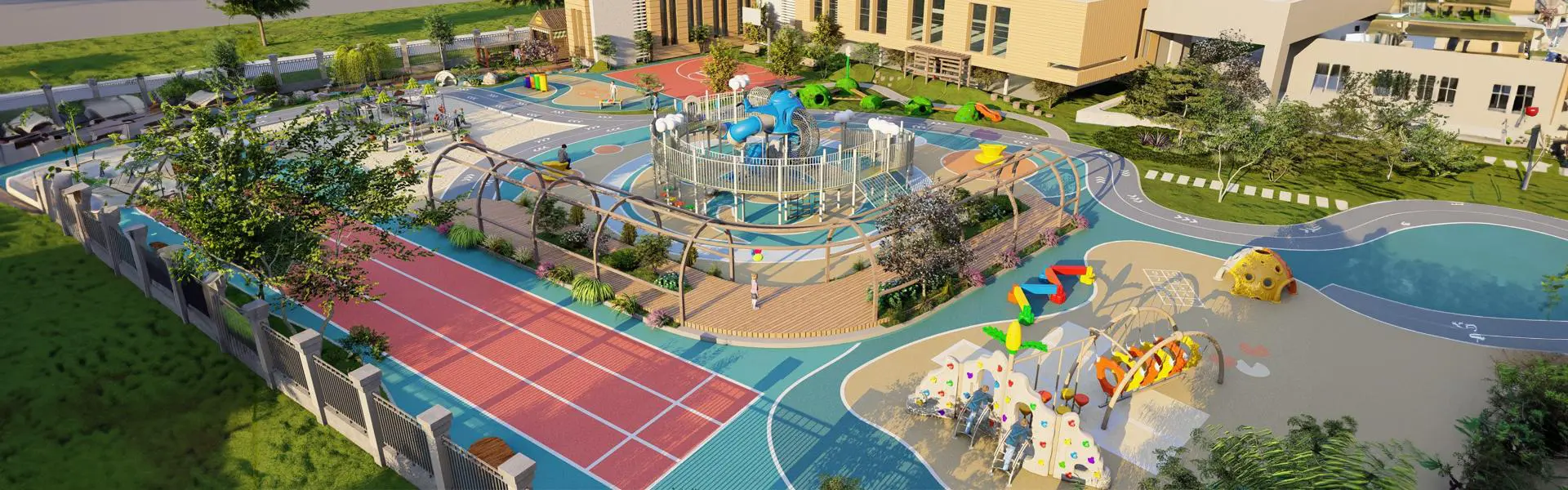
Opening a kids’ indoor playground can be an incredibly rewarding venture, offering a dynamic and engaging space for children while also providing a thriving business opportunity. With careful planning and attention to detail, you can create an unforgettable experience for little ones and their families alike. Here’s a comprehensive guide to help you navigate the process of opening a kids’ indoor playground.
Conduct Market Research
Before diving into the logistical aspects, it’s important to conduct thorough market research. Understanding your target demographic is crucial. Consider factors such as local demographics, the number of families with young children in your area, and the current trends in family entertainment. Additionally, analyze competitors to identify what they offer and how you can differentiate your establishment. This research will provide valuable insights that will inform every decision from location selection to service offerings.
Develop a Business Plan
A well-thought-out business plan is the backbone of any successful venture. Outline your mission statement, vision, and core values. Include detailed financial projections, funding requirements, marketing strategies, and operational plans. Your business plan should also account for potential challenges and have contingency plans in place. This document will not only guide your actions but also attract investors or secure loans.
Choose the Right Location
The location of your indoor playground can make or break its success. Look for a spot with high foot traffic, preferably near residential areas with plenty of young families or close to commercial centers where people are likely to spend extended periods of time. Accessibility is key—ensure there’s ample parking and easy public transport access. The facility should also be easily adaptable to your needs, both in terms of size and layout.
Design the Play Area
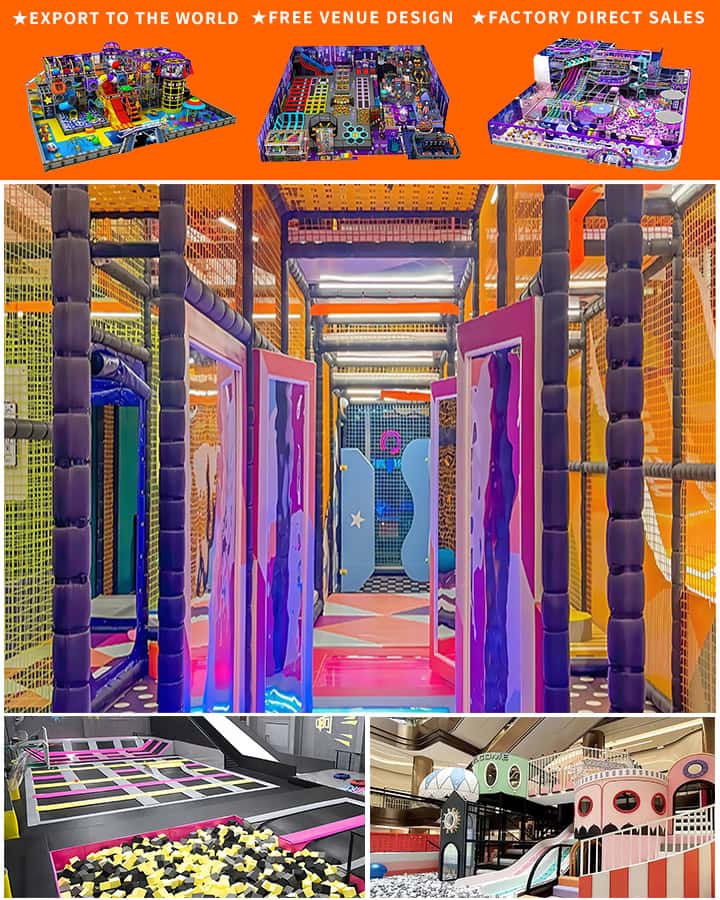
Creating a safe, stimulating environment is paramount. Collaborate with child safety experts to design the playground layout. Incorporate a variety of attractions such as soft play structures, ball pits, climbing walls, slides, and interactive games to cater to different age groups. Ensure all equipment meets safety standards and regulations. Bright colors, themed zones, and creative decorations can make the space more inviting.
Staff Training and Safety Protocols
Hiring the right staff is critical for the smooth operation of your indoor playground. Look for individuals who are passionate about working with children and possess relevant qualifications, such as first aid certification. Conduct comprehensive training on safety procedures, customer service, and emergency response. Establish clear protocols to maintain order and ensure the well-being of visitors.
Marketing and Community Engagement
Once everything is set up, focus on promoting your indoor playground. Leverage social media platforms, local advertising, and partnerships with schools, daycare centers, and parenting groups to spread the word. Hosting grand opening events, offering loyalty programs, and organizing themed days can help attract and retain customers. Engaging with the community through sponsorships or charity events can also enhance your reputation and foster goodwill.
Maintenance and Continuous Improvement
Regular maintenance is essential to keep the playground safe and enjoyable. Schedule routine checks of the equipment and facilities to prevent accidents. Solicit feedback from visitors to identify areas for improvement. Stay updated on industry trends and continually upgrade your offerings to keep the experience fresh and exciting.
Conclusion
Opening a kids’ indoor playground involves meticulous planning and execution, but the rewards of seeing children’s joy and creating a bustling community hub are immensely fulfilling. By focusing on safety, fun, and continuous improvement, you can build a successful venture that stands the test of time and leaves a lasting impression on everyone who visits.