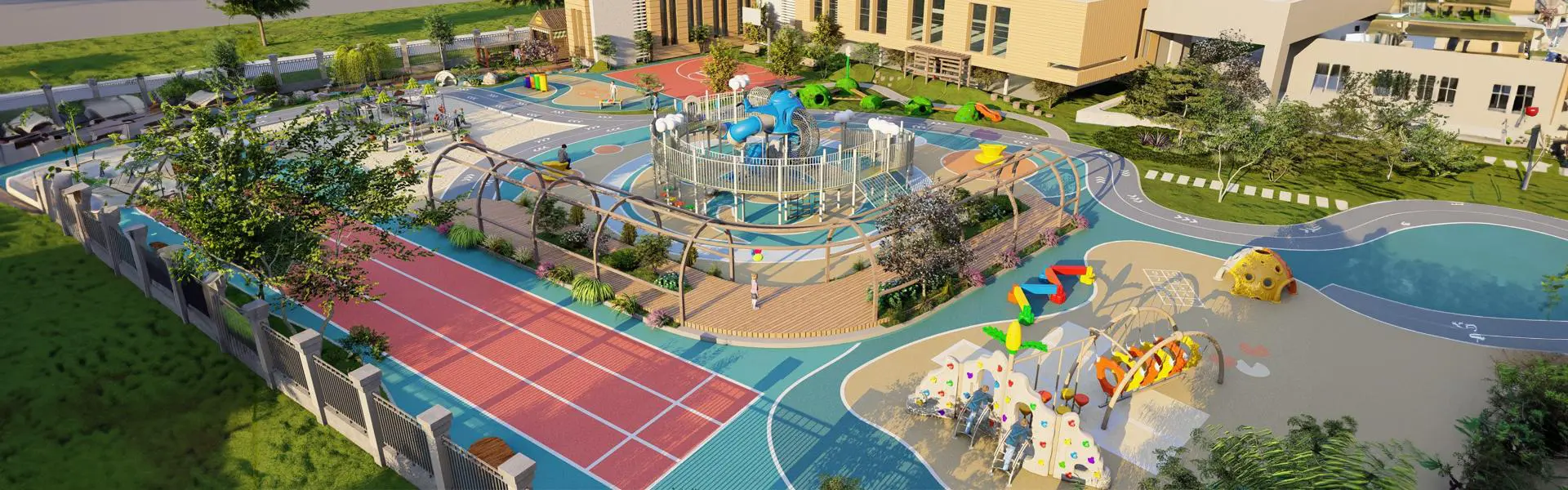
Building an indoor playground can transform a simple room or space into a haven of fun and excitement for children. Whether you’re setting up a commercial venue, a community center, or just creating a play area at home, here’s how to build an indoor playground step by step.
1. Plan Your Design
The first step in building an indoor playground is careful planning. Sketch out a design that makes the most of your available space. Consider factors like age groups, types of activities, and safety.
- Age-Appropriate Areas: Separate areas for toddlers, preschoolers, and older children to ensure everyone has a suitable place to play.
- Activities: Include slides, climbing structures, ball pits, trampolines, obstacle courses, and interactive games.
- Safety: Ensure there’s enough cushioned flooring and soft barriers to prevent injuries.
2. Choose the Right Materials
Select durable and safe materials to build and equip your indoor playground. Here are some essential materials:
- Cushioning: Use foam mats or rubber flooring for cushioned surfaces.
- Structures: Opt for sturdy, non-toxic materials like plywood or plastic for climbing frames and slides.
- Soft Play Equipment: Incorporate soft play shapes made from high-density foam covered with durable fabric.
3. Construct the Framework
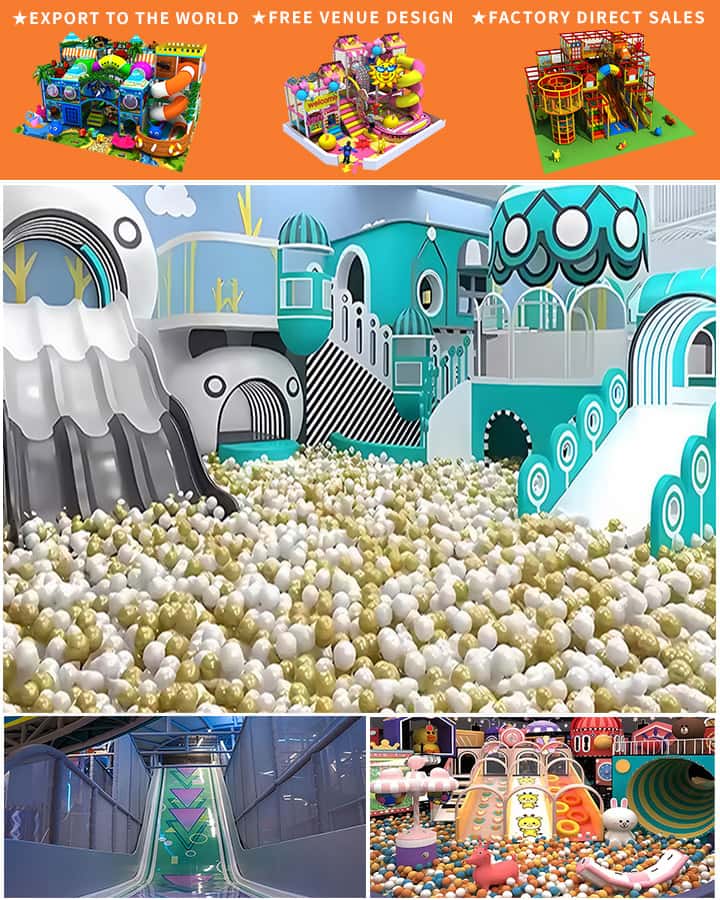 Build the basic structure of your indoor playground using strong, secure materials. This will serve as the foundation for all other equipment.
- Support Beams: Install beams and supports that can bear the weight of the playground structures.
- Wall Anchors: Secure any wall-mounted equipment with heavy-duty anchors to prevent tipping.
- Assembly: Assemble climbing walls, tunnels, and platforms according to the manufacturer’s instructions.
4. Install Play Equipment
Add a variety of play equipment to keep children engaged for hours. Here are some popular options:
- Slides: Choose different sizes for different age groups.
- Climbing Walls: Offer both vertical and angled walls for varied challenges.
- Trampolines: Ensure they have safety nets and are appropriately sized.
- Ball Pools: Use soft, plastic balls to fill pools and pits.
5. Ensure Safety
Safety is paramount in an indoor playground. Take these precautions to minimize risks:
- Padding: Cover all edges and corners with thick padding.
- Supervision: Always have adult supervision to monitor play and enforce rules.
- Maintenance: Regularly check and maintain the equipment to ensure everything remains in good condition.
6. Add Finishing Touches
Enhance the playground experience with additional elements that make the space inviting and enjoyable:
- Decorations: Use vibrant colors, murals, and themed decorations to create an engaging environment.
- Lighting: Install bright, child-friendly lighting to brighten up the space.
- Ventilation: Ensure proper ventilation to keep the air fresh and clean, especially in enclosed spaces.
7. Testing and Feedback
Before officially opening your indoor playground, conduct thorough testing to ensure everything is safe and functional:
- Trial Runs: Have a few children test each piece of equipment under supervision.
- Observe: Watch how they interact with the playground and make adjustments as needed.
- Feedback: Gather feedback from parents and kids to fine-tune the setup for maximum enjoyment and safety.
Conclusion
Building an indoor playground is a rewarding project that can provide endless fun and physical activity for children. With thoughtful planning, quality materials, and a focus on safety, you can create a fantastic space where kids can play, explore, and develop important motor skills. Whether it’s for business or home use, this comprehensive guide will help you bring joy and excitement into any indoor space.