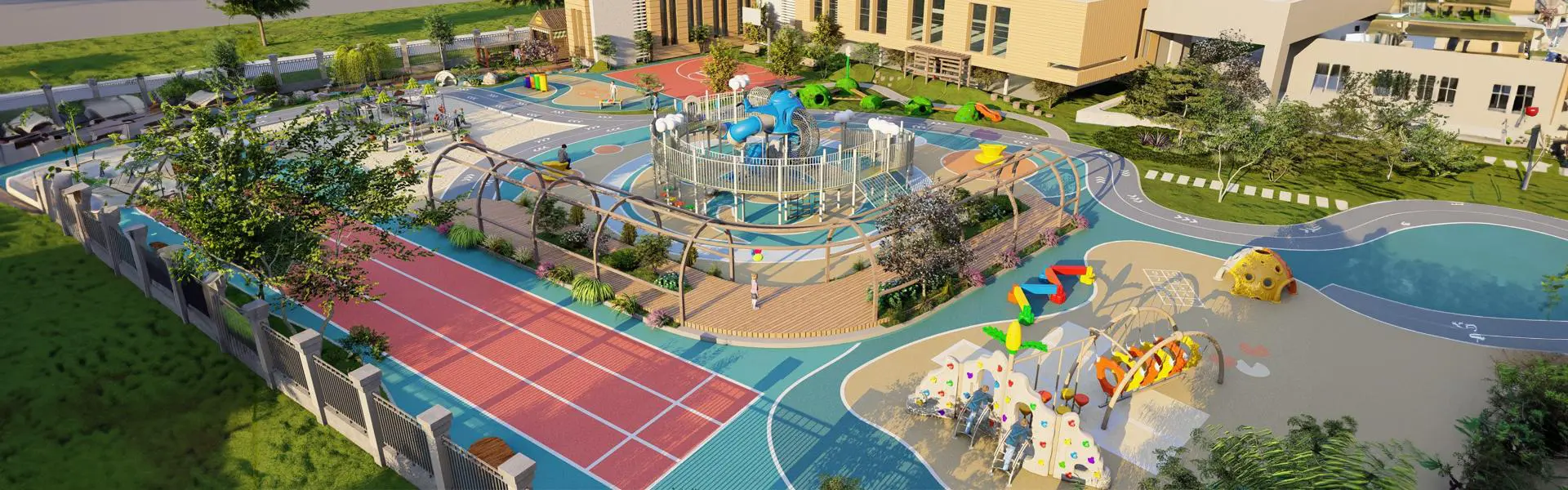
Creating a kids’ playground can be a rewarding project that brings joy and excitement to children in your community. Whether you’re designing for a public park, schoolyard, or your backyard, a well-planned playground offers endless fun and developmental benefits. Here’s a comprehensive guide to help you design and build an engaging kids’ playground.
Step 1: Planning and Design
Identify the Needs
Start by assessing who the primary users will be—preschoolers, school-aged children, or a mix of both. Understanding their age ranges and abilities will help you decide on the types of equipment and safety measures required.
Choose the Location
Select a location with enough space for various activities. Ensure the site is safe, accessible, and free from potential hazards like traffic or unstable ground conditions. Ideally, choose a spot with natural shade or room to install shade structures.
Conceptualize the Design
Sketch out a plan of the playground, incorporating different zones for activities such as climbing, sliding, swinging, and interactive play. Make sure there’s a mix of physical challenges suitable for different age groups.
Step 2: Selecting Equipment
Climbing Structures
Climbing walls, rope ladders, and cargo nets are excellent for developing coordination and strength. Ensure the materials are non-toxic and weather-resistant.
Slides
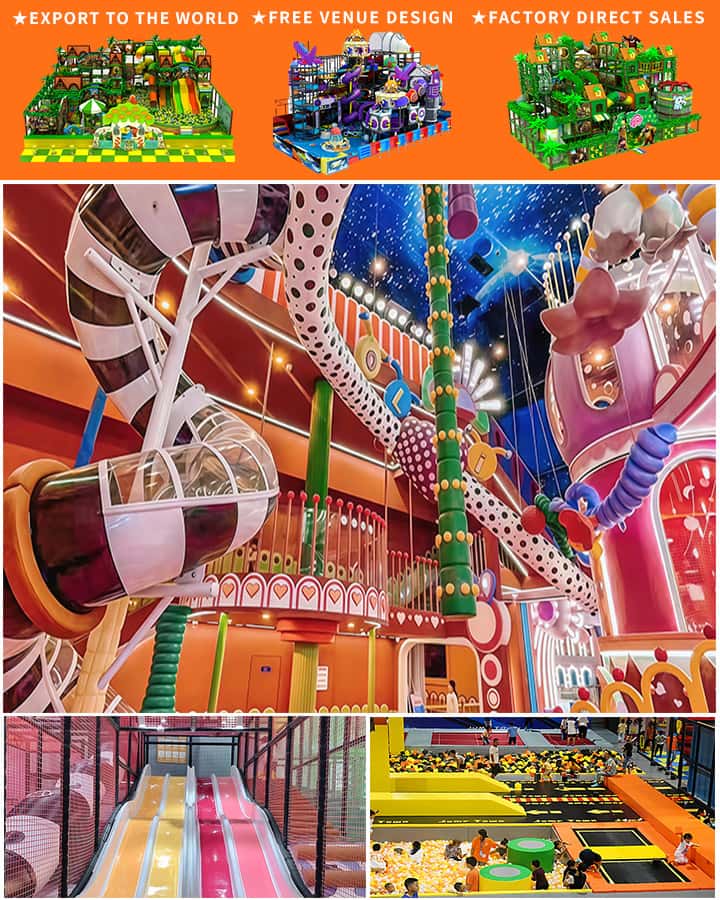 Add variety with slides of different shapes and heights. Consider spiral, wave, and straight slides to cater to different preferences.
Swings
Classic swings remain a favorite. Include traditional swings, tire swings, and even gliders for older kids.
Interactive Features
Incorporate elements like seesaws, merry-go-rounds, sand pits, and water features for sensory play. These encourage social interaction and cooperative play.
Step 3: Safety First
Soft Surfacing
Install soft surfacing materials like rubber mulch, wood chips, or synthetic turf to cushion falls. Ensure these surfaces are maintained regularly to avoid wear and tear.
Fencing and Barriers
Enclose the playground area with proper fencing to keep children safely within the designated play zone. Gates should be self-closing and latching to prevent unauthorized access.
Safety Inspections
Regularly inspect all equipment for signs of damage or wear and tear. Ensure bolts and fasteners are secure and replace any broken parts immediately.
Step 4: Installation Process
Site Preparation
Clear the area of any debris, level the ground, and lay down a weed barrier if necessary. This prepares a solid foundation for your playground structures.
Installing Equipment
Follow manufacturer guidelines for each piece of equipment. For complex installations like climbing frames or large slides, professional assistance may be required.
Final Touches
Add finishing touches like benches for parents, decorative elements, and signage to create a welcoming environment. Plant trees or shrubs around the perimeter for additional shade and aesthetic appeal.
Step 5: Maintenance and Community Engagement
Routine Maintenance
Schedule regular checks to ensure all equipment remains safe and functional. Clean surfaces, tighten fittings, and repaint when necessary.
Community Involvement
Engage parents and guardians in maintaining the playground. Organize community events like clean-up days or safety workshops to foster a sense of ownership and responsibility.
Feedback Mechanism
Provide a channel for feedback to continuously improve the playground based on user experiences and suggestions.
By following these steps, you can create a safe, stimulating, and inviting playground that serves as a place of joy and growth for children. With careful planning, quality equipment, and diligent maintenance, your playground will be a cherished space for generations to come.