
Creating an engaging and safe play area for kids at home can be a delightful project that not only keeps your children entertained but also fosters their creativity and imagination. Here’s a step-by-step guide on how to make the perfect play area in your home, ensuring it is both fun and functional.
1. Choose the Right Location
Start by selecting an appropriate place in your home for the play area. Consider spaces like the living room, basement, or even a corner of your bedroom. Ensure the location has enough space for movement and is away from potential hazards. If you have limited space, think vertically—install shelves or wall organizers to keep things tidy.
2. Safety First
Safety should always be your top priority. Ensure the play area is free from sharp objects, exposed electrical outlets, and small items that could pose choking hazards. Use corner guards on furniture and secure heavy items to prevent accidents. Non-toxic materials and child-friendly paints are essential to maintain a safe environment.
3. Selecting Furniture and Equipment
Invest in versatile and durable furniture designed for children. Consider pieces like mini tables and chairs, storage bins, bookshelves, and soft mats. Multifunctional furniture, such as beds with built-in drawers, can maximize space efficiency. For older kids, consider adding desks or craft stations where they can engage in educational activities.
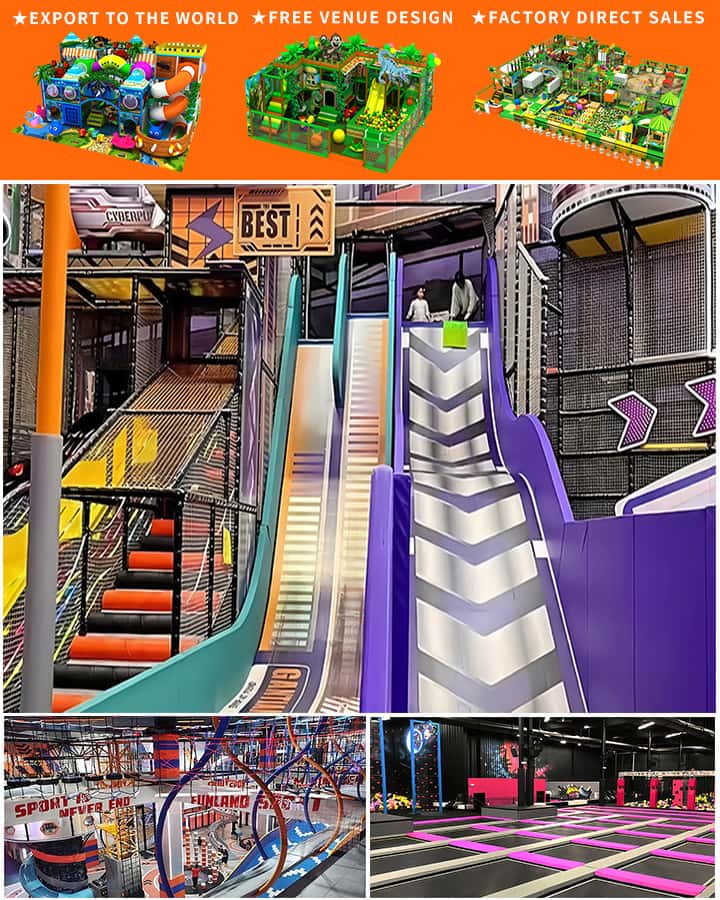
4. Incorporate Various Play Zones
To cater to different types of play, divide the area into zones. For example:
Reading Corner: Set up a cozy reading nook with cushions, a small shelf of age-appropriate books, and good lighting.
Creative Space: Provide art supplies like crayons, markers, colored pencils, paper, and a small whiteboard or easel.
Building Zone: Include blocks, LEGO sets, or other construction toys to encourage spatial skills and creativity.
Pretend Play Area: Dress-up clothes, kitchen sets, and dollhouses can spark imaginative play.
5. Storage Solutions
A well-organized play area is key to maintaining sanity. Invest in storage solutions like bins, baskets, and labeled containers to keep toys and materials easily accessible yet orderly. Transparent storage boxes allow kids to see what’s inside, making cleanup more manageable and enjoyable.
6. Add Personal Touches
Involve your kids in decorating the play area. Hang their artwork on the walls, add personalized name plates, or incorporate their favorite themes (e.g., superheroes, princesses, animals). Personal touches make the space more inviting and special for them.
7. Outdoor Connectivity
If possible, create a seamless transition between indoor and outdoor play areas. An accessible door or window can help extend playtime outdoors, offering fresh air and additional space for physical activities like running and playing sports.
8. Maintenance and Rotation
Regular maintenance ensures the play area remains a welcoming space. Clean and organize it periodically to prevent clutter build-up. Additionally, rotate toys every few weeks to keep the environment stimulating and exciting for your kids.
Conclusion
Designing a play area for kids at home is a rewarding endeavor that combines safety, functionality, and creativity. By carefully planning and personalizing the space, you can provide your children with a nurturing environment where they can learn, explore, and most importantly, have fun. So roll up your sleeves, gather your supplies, and start creating a magical play haven right in your own home!