
Ensuring that a playground is safe for kids is paramount in promoting healthy, active play and preventing injuries. Here are some essential steps to create a secure environment where children can enjoy their time without unnecessary risks.
1. Choose Appropriate Equipment
Start by selecting playground equipment that is suitable for the age group using the area. Ensure that slides, swings, and climbing frames are designed with safety features like rounded edges, smooth surfaces, and appropriate heights. For instance, toddler swings should have bucket seats with high backs to prevent falls, while bigger kids can use traditional swings with more robust support.
2. Inspect Regularly
Conduct routine inspections to identify and address any signs of wear and tear. Check for loose bolts, rusted metal parts, cracked plastic or wood, and frayed ropes. Promptly repair or replace any damaged equipment to maintain safety standards. It’s also advisable to hire a professional inspector at least once a year to thoroughly assess the playground’s condition.
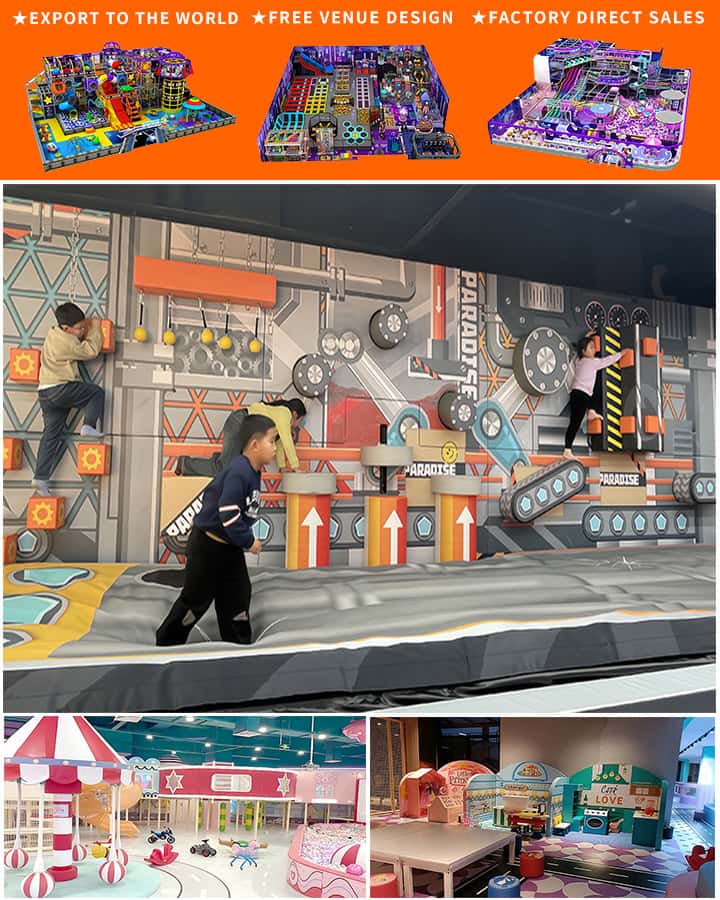
3. Use Soft Surfacing Materials
The ground surface plays a crucial role in reducing the impact of falls. Install soft surfacing materials such as rubber mulch, sand, wood chips, or foam mats under all play equipment. These materials cushion landings and help minimize injuries. Avoid using concrete or asphalt surfaces, which can cause severe injuries if a child falls onto them.
4. Maintain Adequate Supervision
Always have responsible adults supervise children during playground activities. Trained supervisors can quickly notice potential hazards and intervene in case of accidents. They can also enforce rules and encourage safe play practices among kids, ensuring everyone uses the equipment correctly.
5. Implement Safety Barriers
Erect safety barriers or fences around the playground perimeter to protect against outside interference and keep young children from wandering off where they might be exposed to traffic or other dangers. Ensure these barriers are tall enough and free of footholds or handholds that could allow children to climb over them.
6. Educate About Safety Practices
Teach kids about playground safety rules and proper behavior. Simple guidelines like taking turns, not pushing others, holding onto rails, and wearing proper footwear can significantly reduce accident risks. Incorporate these lessons into school curriculums or community programs to reinforce safety habits from an early age.
7. Ensure Accessibility
Design playgrounds to be inclusive, accommodating children with disabilities. Wheelchair-accessible paths, adaptive equipment, and sensory-rich areas cater to diverse needs and foster an environment where every child can participate safely. This inclusivity promotes social interaction and equal enjoyment for all.
Conclusion
Creating a safe playground requires a combination of thoughtful planning, regular maintenance, and vigilant supervision. By following these guidelines, you can provide children with a secure and enjoyable space to play, learn, and grow. Prioritizing safety not only protects kids from harm but also enhances their overall well-being, allowing them to fully experience the joys of childhood.