Opening an indoor playground can be a rewarding venture, offering a fun and safe environment for children to play and learn. However, like any business, it requires significant upfront investment and careful planning. If you’re considering opening your own indoor playground, it’s essential to understand the costs involved to budget appropriately and ensure the success of your venture. This guide will break down the key expenses you can expect when opening an indoor playground.
Initial Planning and Research
Before any financial investments are made, thorough research and planning are crucial. You’ll need to identify your target market, understand local regulations, scout potential locations, and create a detailed business plan. While these initial steps primarily involve time and effort rather than direct costs, investing in professional consulting services or market research could range from a few hundred to several thousand dollars.
Location Costs
The cost of securing a suitable location is one of the most significant expenses you’ll encounter. Rent, leasing deposits, and utilities vary widely depending on the location and size of the space. In prime areas with high foot traffic, such as city centers or affluent neighborhoods, expect higher rental costs. On average, monthly rent for a mid-sized indoor playground (around 3,000 square feet) might range from \(3,000 to \)7,500, depending on the region. Additionally, factor in utility setup fees and ongoing costs for electricity, water, and gas, which could add several hundred dollars to your monthly expenses.
Renovation and Build-Out
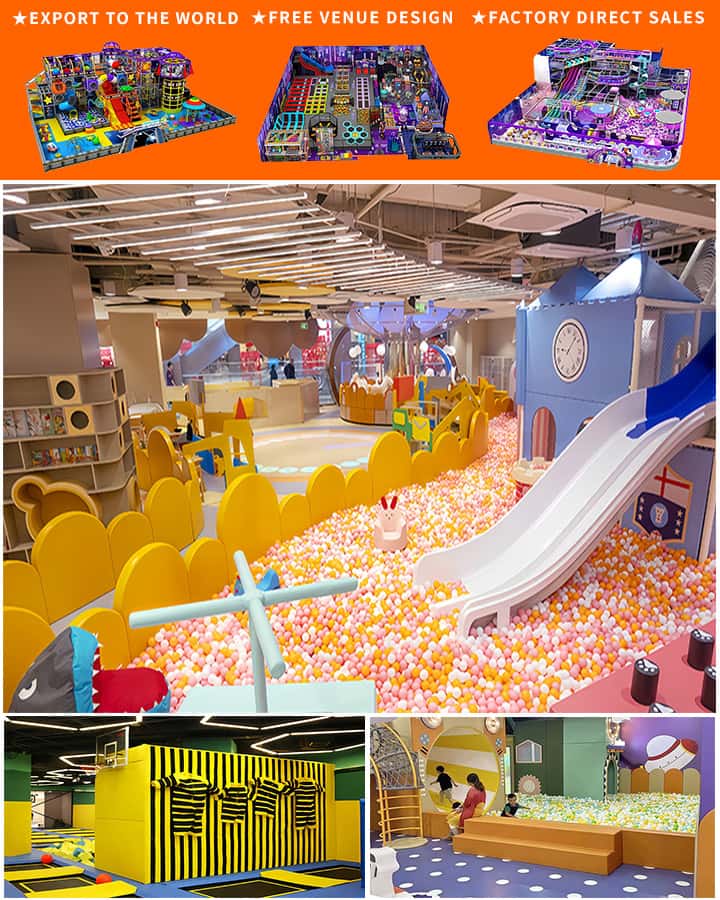
Transforming your chosen space into an appealing and safe indoor playground involves renovation and build-out costs. This includes painting, flooring installation (preferably non-slip and easy to clean), partitioning rooms or sections, and installing restrooms. Depending on the extent of the renovations required, this could cost anywhere from \(20,000 to \)100,000 or more. Custom-built features like themed play areas or specialized equipment may increase these costs further.
Play Equipment and Furniture
Quality play equipment is the heart of any indoor playground. Investing in durable, safe, and engaging equipment is crucial for both customer satisfaction and operational longevity. Depending on the variety and quality of the equipment you choose—ranging from basic soft plays and climbing structures to interactive games and ride-on toys—costs can vary significantly. On average, initial purchases for play equipment and furniture might amount to between \(30,000 and \)150,000. It’s wise to prioritize safety certifications and modular equipment that allows for future upgrades or reconfigurations.
Licensing and Insurance
Operating an indoor playground requires various licenses and permits, including general business licenses, health department approvals, and possibly entertainment licenses if you plan to host events or parties. The cost for these licenses can range from a few hundred to a few thousand dollars annually. Additionally, securing comprehensive insurance coverage is essential. Business insurance, including liability, property, and worker’s compensation, typically costs between \(5,000 and \)15,000 per year, depending on the scale of your operation and your location.
Marketing and Promotion
To attract customers and build brand awareness, marketing and promotional activities are necessary. Budget for creating a compelling brand identity, designing a professional website, and implementing online advertising campaigns. Offline marketing efforts like flyers, banners, and sponsorship of local events can also drive initial traffic. Allocating \(5,000 to \)20,000 for the first year’s marketing efforts is reasonable, though actual costs can vary based on the competitiveness of your market and the effectiveness of your strategies.
Staffing
Hiring qualified staff is vital for ensuring the safety and enjoyment of young visitors. Depending on the size of your indoor playground, you may need anywhere from a handful to dozens of employees, including managers, supervisors, and attendants. Payroll expenses, including salaries, benefits, and training costs, could run between \(20,000 and \)100,000 annually, depending on staff size and regional wage standards.
Ongoing Operational Expenses
Beyond initial costs, remember to account for ongoing operational expenses such as maintenance, utilities, cleaning supplies, and periodic updates to play equipment. These recurring costs typically amount to 10-20% of your total startup budget annually. Setting aside funds for unforeseen expenses is also prudent.
Conclusion
Opening an indoor playground involves substantial financial commitment, with startup costs potentially ranging from \(100,000 to \)500,000 or more, depending on the scale and specifics of your venture. Thorough planning, budgeting for unexpected expenses, and focusing on quality and safety will help set a strong foundation for your business’s success. By understanding the comprehensive costs involved, you can make informed decisions and pave the way for a thriving indoor playground that delights children and generates profit.