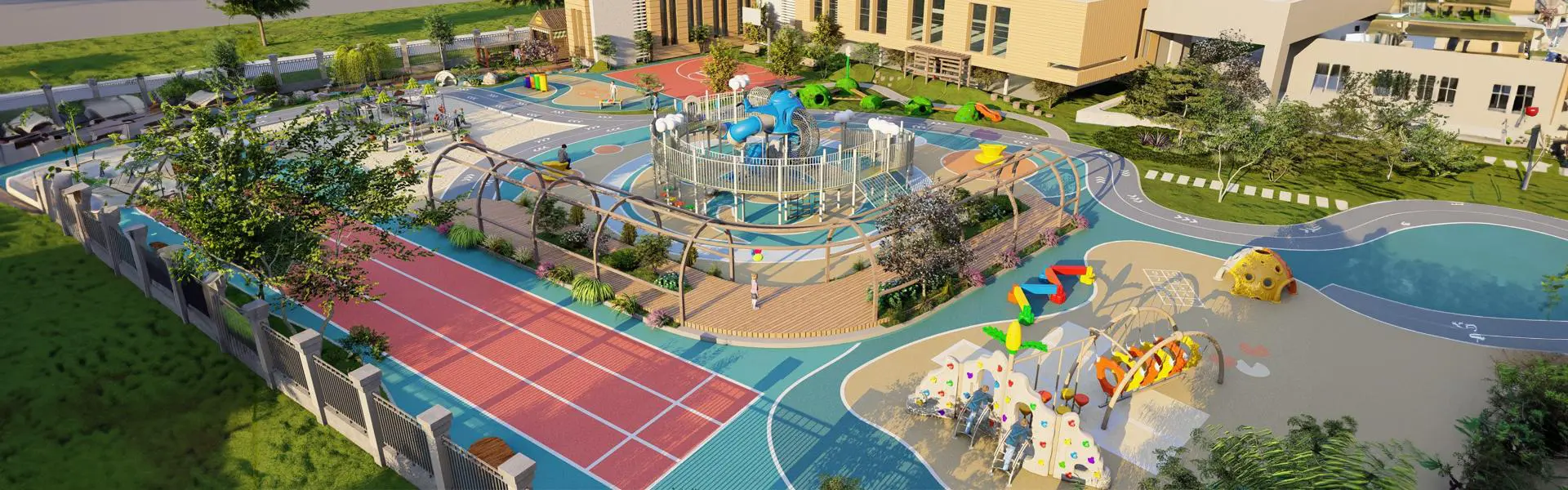
Indoor playgrounds have revolutionized the way children engage in physical activity, offering a safe and controlled environment for play regardless of weather conditions. One of the most beneficial aspects of these facilities is the opportunity for open play. Open play refers to unstructured, child-led activities that allow children to explore their interests and develop essential skills at their own pace. This article delves into the manifold benefits of open play on indoor playgrounds, highlighting its positive impact on physical health, social development, and cognitive growth.
Physical Health
One of the primary advantages of open play on indoor playgrounds is the promotion of physical fitness. Children today face increasing sedentary lifestyles, largely due to screen time and structured schedules. Indoor playgrounds offer a sanctuary where kids can run, jump, climb, and slide freely, fostering cardiovascular health, muscle development, and coordination. Unlike traditional sports or structured exercises, open play doesn’t feel like a workout to children—it’s fun! This makes it easier for children to stay active without the pressure associated with formal exercise routines.
Moreover, indoor playgrounds are designed to be safe spaces where children can challenge themselves physically. Equipment such as climbing walls, balance beams, and obstacle courses provide opportunities to improve strength, endurance, and motor skills. These activities are crucial during the early years when foundational physical skills are developed, setting the stage for a lifetime of physical activity and wellness.
Social Development
Open play also plays a critical role in the social development of children. Indoor playgrounds are typically bustling with other children, providing an excellent setting for youngsters to learn social skills such as sharing, cooperation, and conflict resolution. When children engage in open play, they are more likely to initiate interactions and form friendships naturally. The informal nature of indoor playgrounds encourages children to communicate verbally and non-verbally, enhancing their ability to understand social cues and express emotions.
Furthermore, indoor playgrounds often host group activities and themed events, which further enrich the social experience. These activities require teamwork and collaboration, teaching children the value of working together toward a common goal. Social interaction in these settings helps build self-confidence and empathy, crucial traits for personal and academic success.
Cognitive Growth
Beyond physical and social benefits, open play significantly contributes to cognitive development. Unstructured play encourages creativity and problem-solving, as children invent games, navigate obstacles, and figure out how to use various pieces of playground equipment. This type of play stimulates imagination, critical thinking, and innovation. It allows children to experiment freely without the fear of making mistakes, fostering a mindset that is open to exploration and learning.
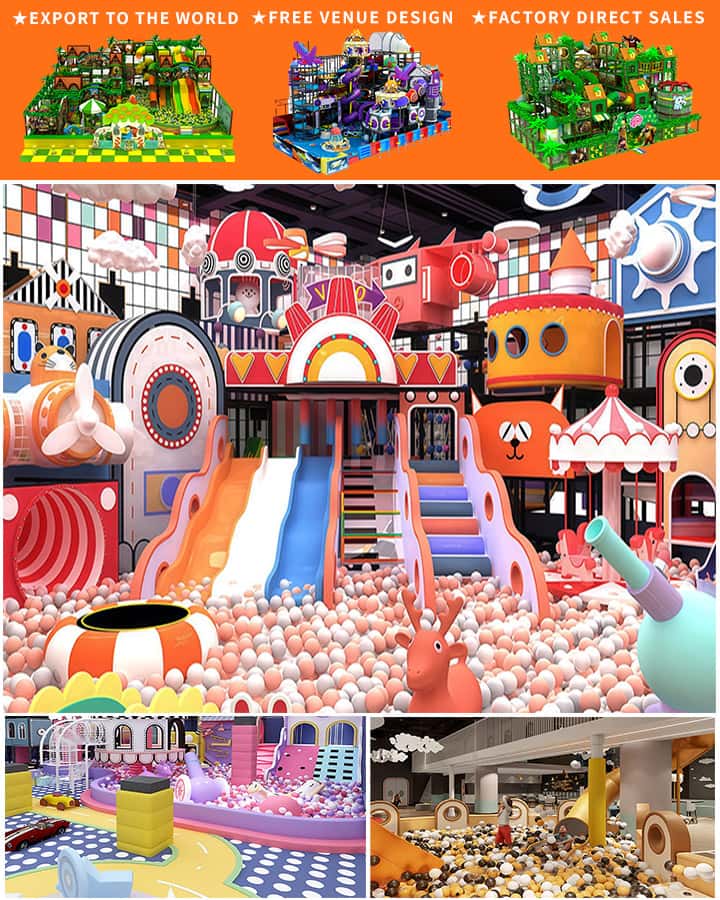
Additionally, indoor playgrounds often feature sensory-rich environments with colorful decorations, varied textures, and interactive installations. These elements provide multisensory experiences that are vital for cognitive development, particularly in younger children. Sensory play helps in developing fine motor skills, hand-eye coordination, and spatial awareness, laying the groundwork for more complex tasks such as reading and writing.
Conclusion
In summary, open play on indoor playgrounds offers a plethora of benefits that extend beyond mere recreation. It promotes physical health by encouraging regular exercise in a safe environment, aids in social development through natural interactions and cooperative play, and supports cognitive growth by nurturing creativity and problem-solving skills. As indoor playgrounds continue to gain popularity, it is important for parents and caregivers to recognize the value of open play and encourage children to take full advantage of these enriching environments. After all, the joy and growth that come from unstructured play are invaluable assets in a child’s journey toward becoming a well-rounded individual.