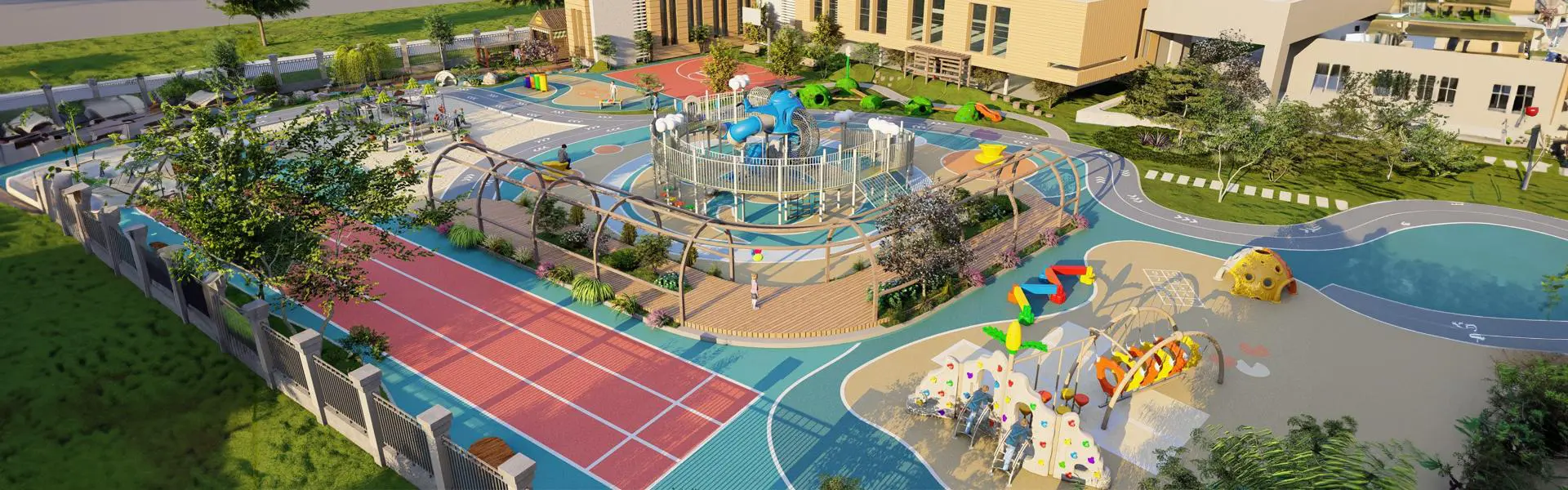
Opening an indoor playground in New York City is a venture filled with opportunities and challenges. With its vibrant communities, diverse population, and bustling urban environment, NYC presents a fertile ground for a business that can cater to children’s entertainment needs. This article will guide you through the essential steps of opening a successful indoor playground in the city that never sleeps.
Market Research and Planning
1. Conduct Thorough Market Research: Before diving into the logistics, it’s crucial to understand the demand for an indoor playground in your targeted area. Assess the local demographics, including family structures, income levels, and age distribution. Visit potential competitor sites and identify gaps in their offerings that you could fill.
2. Create a Solid Business Plan: A well-crafted business plan is essential. Outline your mission statement, vision, target audience, and marketing strategy. Include detailed financial projections, funding requirements, and operational plans. A comprehensive business plan not only guides your efforts but also attracts investors and partners.
Legal and Administrative Steps
3. Register Your Business: Choose a unique name for your indoor playground and register it with the New York Department of State. Decide on a legal structure (LLC, Corporation, etc.) that best suits your goals and consult with a legal advisor if necessary.
4. Obtain Necessary Permits and Licenses: Indoor playgrounds require several permits and licenses. These typically include a general business license, fire department inspection certificate, health department permit, and possibly zoning approvals. Check with local government offices to ensure you comply with all regulations.
Location and Design
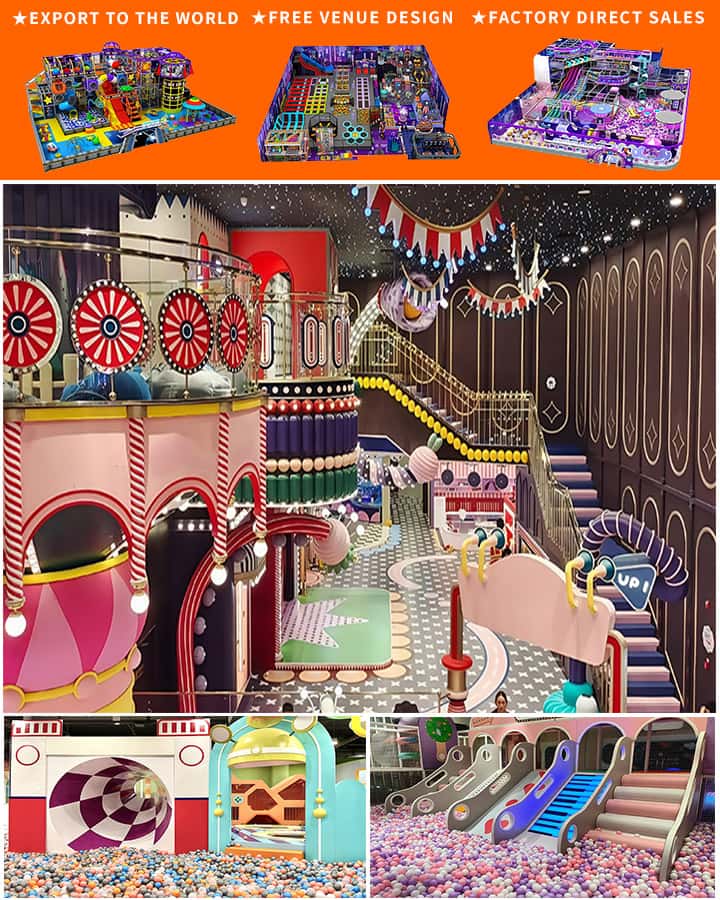
5. Find the Perfect Location: Selecting the right location is critical. Look for spaces with high foot traffic, ample parking, and easy access. Consider proximity to schools, residential areas, and other family-oriented businesses. Negotiate lease terms that allow for renovations and modifications necessary for your playground.
6. Design the Playground Interior: The design should be safe, engaging, and stimulating for children. Hire professional designers who specialize in recreational spaces. Ensure there’s enough room for various play structures, such as slides, climbing walls, ball pits, and interactive games. Incorporate soft flooring and safety barriers to prevent injuries.
Equipment and Safety
7. Acquire High-Quality Play Equipment: Invest in durable, age-appropriate play equipment from reliable manufacturers. Ensure that the equipment complies with safety standards set by organizations like the American Society for Testing and Materials (ASTM) and the Consumer Product Safety Commission (CPSC).
8. Implement Strict Safety Protocols: Safety is paramount. Train your staff thoroughly on safety procedures and emergency protocols. Regularly inspect and maintain the equipment to ensure it remains in good condition. Have a first aid station readily accessible and ensure compliance with all health codes.
Staffing and Operations
9. Hire Qualified Staff: Recruit friendly, responsible individuals who are passionate about working with children. Background checks and training in child supervision, first aid, and customer service are essential. Your team will be instrumental in creating a positive experience for visitors.
10. Develop an Operating Plan: Create a schedule for daily operations, including opening and closing times, peak hours management, and maintenance routines. Develop policies for admission, supervision ratios, and special events. Ensure your staff is well-versed in these operations for smooth day-to-day functioning.
Marketing and Community Engagement
11. Launch a Robust Marketing Campaign: Promote your indoor playground through a mix of online and offline channels. Use social media platforms, local parenting blogs, and community bulletin boards. Offer introductory discounts, loyalty programs, and birthday party packages to attract initial customers.
12. Build Community Connections: Engage with the local community by hosting events, participating in neighborhood activities, and collaborating with schools and PTAs. Word-of-mouth referrals from satisfied parents can significantly boost your visibility and success.
Financial Management
13. Monitor Your Finances Closely: Keep a detailed account of your income and expenses. Regularly review your financial statements to ensure the business remains profitable. Adjust your budget as needed and explore funding options or grants available for small businesses.
14. Plan for Scalability: Once your indoor playground gains traction, consider expansion plans. Whether adding new attractions, expanding the space, or opening additional locations, having a scalable model ensures long-term growth and sustainability.
Conclusion
Opening an indoor playground in NYC is a rewarding endeavor that requires careful planning, dedication, and a focus on quality and safety. By following these steps, you’ll be well on your way to creating a fun and inviting space where children can play, learn, and grow. With perseverance and passion, your indoor playground can become a cherished community resource in the heart of New York City.