Introduction
Starting an indoor play area can be a highly rewarding business venture, providing a fun and safe environment for children to play, learn, and develop essential skills. This article will guide you through the key components of creating a comprehensive indoor play area business plan. Whether you’re a seasoned entrepreneur or new to the field, this guide aims to provide valuable insights into market research, planning, management, and financial strategies to ensure your indoor play area thrives.
Market Research
Target Market
Identify your primary customer base, which is likely to be parents of children aged between infancy and around 10 years old. Understanding their needs, preferences, and spending habits is crucial. Consider factors such as local demographics, income levels, and lifestyle trends.
Competitor Analysis
Research existing indoor play areas in your area and beyond. Identify what they offer, their pricing strategies, and what sets them apart. This will help you carve out a unique selling proposition (USP) and avoid potential pitfalls.
Demand Analysis
Gauge the level of demand by conducting surveys, focus groups, or informal interviews with parents. Assess whether there is sufficient interest and willingness to pay for your services. Additionally, analyze seasonal trends and peak times to optimize your operations.
Concept and Design
Theme and Features
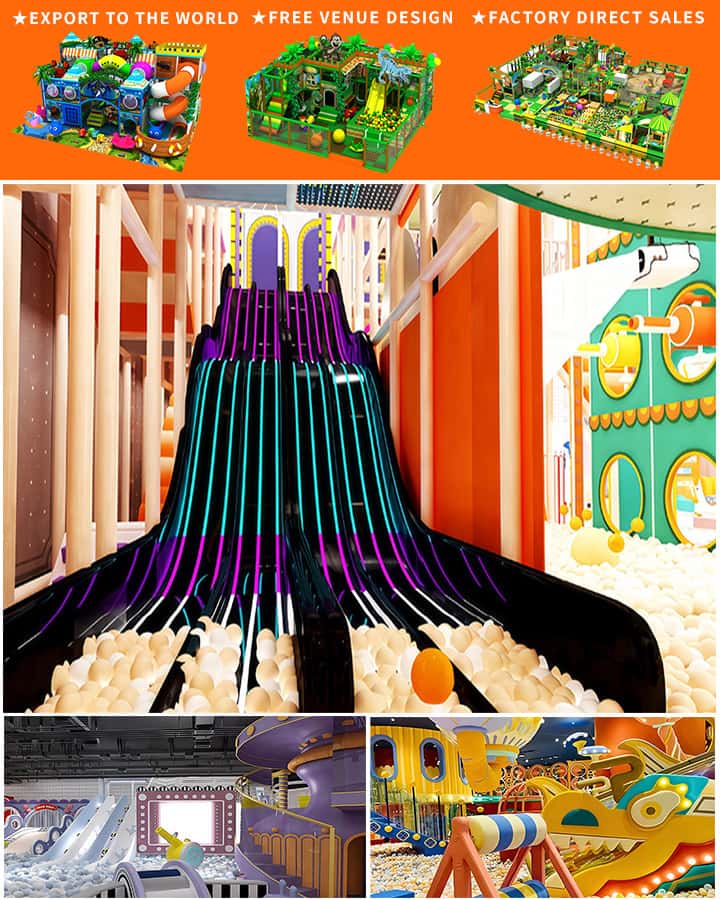
Decide on a theme that resonates with both children and parents. Popular themes include fantasy worlds, jungles, space adventures, and educational zones. Incorporate various play structures like slides, climbing frames, ball pits, soft play areas, and interactive games to cater to different age groups.
Safety and Compliance
Ensure that the play area adheres to safety standards and regulations. Use non-toxic materials, maintain equipment regularly, and have emergency protocols in place. Obtain necessary permits and insurance to operate legally and protect against liabilities.
Layout and Space Planning
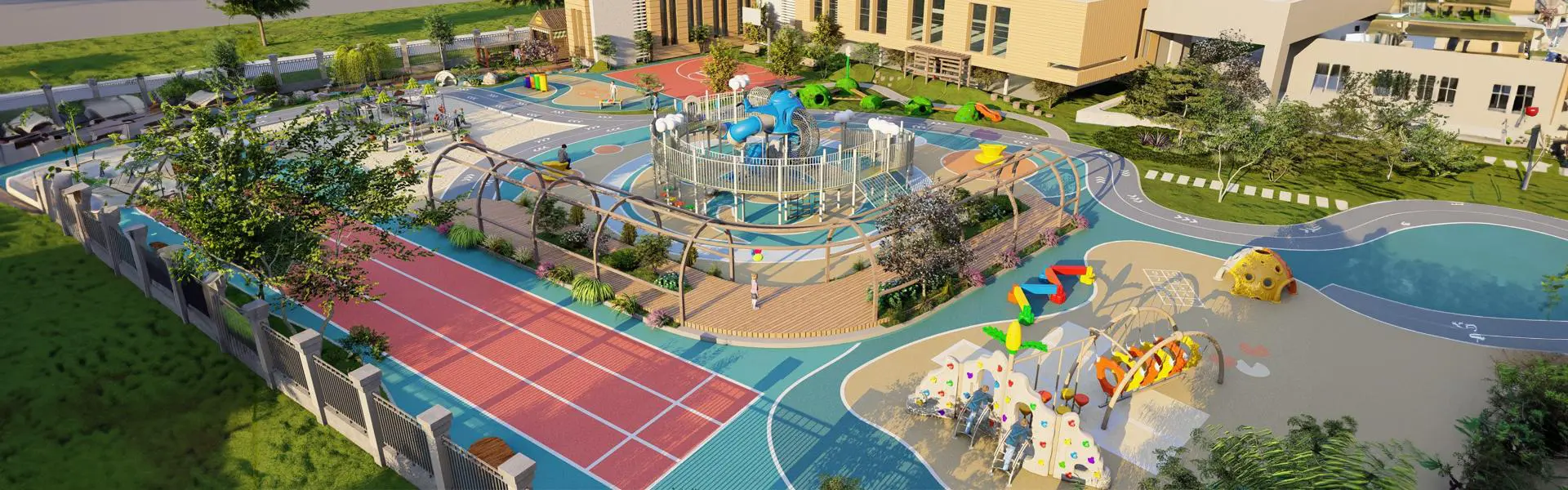
Efficiently utilize the available space to create distinct zones for different activities. Ensure smooth traffic flow to minimize congestion and enhance the visitor experience. Allocate areas for seating, food and beverage service, and retail merchandise if desired.
Operational Plan
Management Structure
Outline the organizational structure, including roles and responsibilities. Hire qualified staff who are passionate about working with children and have relevant qualifications in early childhood education, childcare, or recreation management.
Scheduling and Bookings
Implement a booking system to manage reservations efficiently. Offer flexible scheduling options such as drop-in visits, party packages, and membership plans. Utilize online platforms for easy booking and communication with customers.
Marketing and Promotion
Develop a robust marketing strategy to attract customers. Leverage social media, local advertising, partnerships with schools and parenting groups, and special events to raise awareness. Offer introductory discounts, loyalty programs, and referral incentives to encourage repeat business.
Financial Plan
Startup Costs
Estimate the initial costs involved in setting up the business, including venue rental, renovation, equipment purchase, licensing, and marketing expenses. Seek funding through personal savings, loans, or investors as needed.
Revenue Streams
Identify your revenue streams, such as admission fees, party bookings, merchandise sales, and food and beverage offerings. Set competitive pricing based on market research and cost analysis.
Budget and Financial Projections
Create a detailed budget covering operational expenses like utilities, staff salaries, maintenance, inventory, and marketing. Develop financial projections for the first few years, including expected revenue, profit margins, and break-even points.
Risk Management
Risk Identification
Identify potential risks such as economic downturns, competition, operational challenges, and regulatory changes. Develop contingency plans to mitigate these risks.
Insurance Coverage
Secure comprehensive insurance coverage to protect against accidents, injuries, property damage, and other unforeseen events. Review and update policies regularly to ensure adequate protection.
Conclusion
Launching an indoor play area requires meticulous planning and execution. By focusing on the needs of your target market, designing a captivating and safe environment, implementing efficient operations, and adhering to a sound financial strategy, you can build a successful and sustainable business. Remember that continuous improvement, adaptability, and a passion for providing joyful experiences for children are key to thriving in this dynamic industry. With dedication and creativity, your indoor play area can become a cherished destination for families in your community.