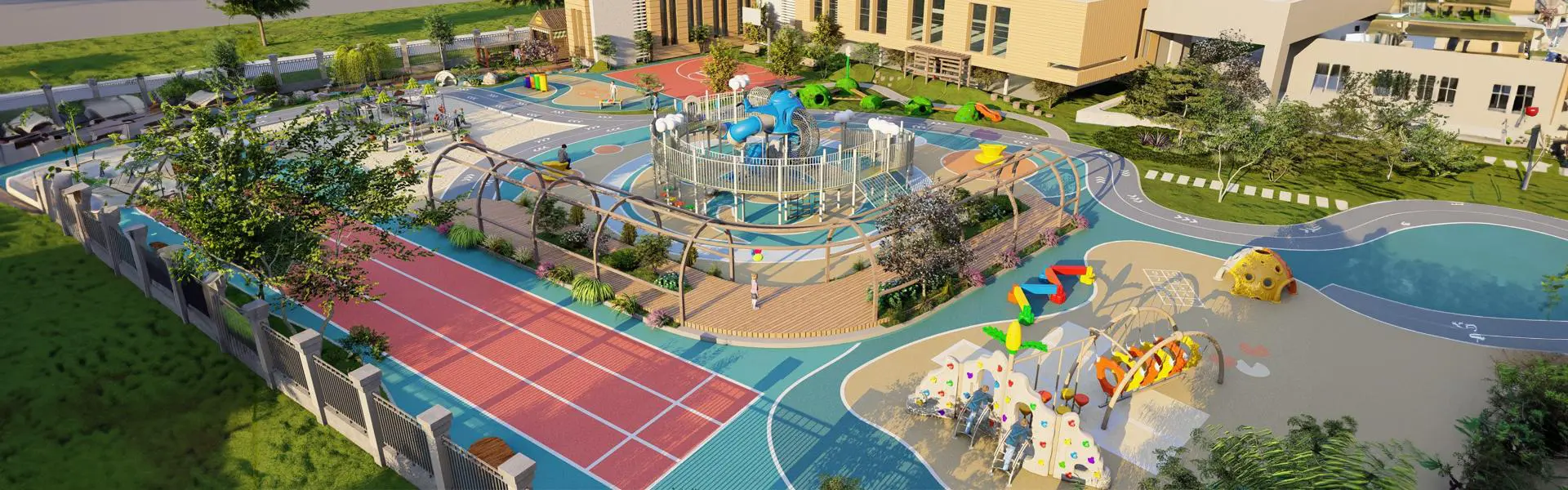
Creating an indoor play area that is both engaging and safe requires careful planning and consideration of various factors. The floor plan serves as the foundation upon which this vibrant space will be built, ensuring that children have an environment where they can explore, learn, and grow. Here’s how to design a well-thought-out indoor play area floor plan.
Assessing the Space
Before diving into the design process, it’s crucial to evaluate the available space. Whether you’re transforming a basement, attic, or a dedicated room in your home, understanding the dimensions and layout will help in making informed decisions. Consider the ceiling height, natural light sources, and any architectural features that might influence the design.
Defining Zones
A successful indoor play area should include distinct zones to cater to different activities and age groups. Here are some key zones to consider:
1. Play Structures Zone
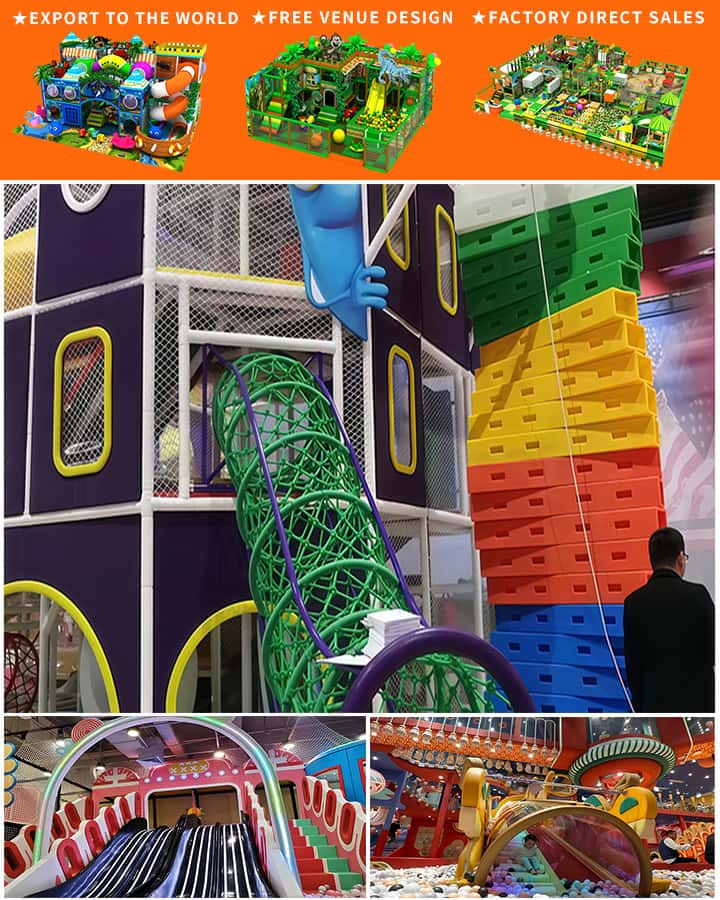
- Incorporate climbing frames, slides, and tunnels suitable for active play. Ensure there is enough open space around these structures for safety.
2. Educational Area
- Dedicate a corner for educational toys, puzzles, and books. This space encourages cognitive development and quiet time amidst the excitement.
3. Creative Corner
- Set up a space with art supplies, building blocks, and craft materials. This area stimulates creativity and fine motor skills.
4. Quiet Zone
- Design a cozy reading nook with comfortable seating and a selection of storybooks. This provides a retreat for relaxation and calm activities.
5. Physical Activity Zone
- Allocate space for activities like yoga, dance, or even a mini basketball hoop. This promotes physical fitness and coordination.
Safety First
Safety is paramount when designing an indoor play area. Here are some essential considerations:
1. Non-Toxic Materials
- Use only non-toxic paints, finishes, and materials to ensure the health and safety of children.
2. Soft Flooring
- Install soft, shock-absorbent flooring such as foam mats, rubber tiles, or carpet to minimize injury from falls.
3. Secure Furniture
- Anchor heavy furniture and play equipment to the walls to prevent tipping. Round off sharp edges where possible.
4. Ventilation and Hygiene
- Ensure proper ventilation and easy access to cleaning supplies. Regularly disinfect toys and surfaces to maintain hygiene.
Flexibility and Adaptability
Children’s interests and needs evolve over time, so it’s wise to create a flexible floor plan. Use modular furniture and adjustable shelving units to accommodate changes. Leave some open space for new activities or spontaneous playtime adventures.
Lighting and Ambiance
Good lighting is essential for a functional and inviting play area. Natural light is ideal, but you can also use a mix of ambient and task lighting to create a warm and stimulating environment. Avoid harsh overhead lights; instead, opt for soft, diffused lighting that reduces glare and creates a pleasant atmosphere.
Personal Touches
Incorporate personal touches to make the play area feel unique and welcoming. Let children contribute ideas or involve them in the decorating process with their artwork or favorite colors. This fosters a sense of ownership and attachment to the space.
Final Thoughts
Designing an indoor play area floor plan involves balancing fun, safety, and functionality. By thoughtfully organizing different zones, prioritizing safety measures, and allowing flexibility for growth, you can create a dynamic space that inspires creativity, learning, and joyous play for children of all ages. With careful planning and a bit of imagination, your indoor play area can become a cherished haven for endless adventures and precious memories.