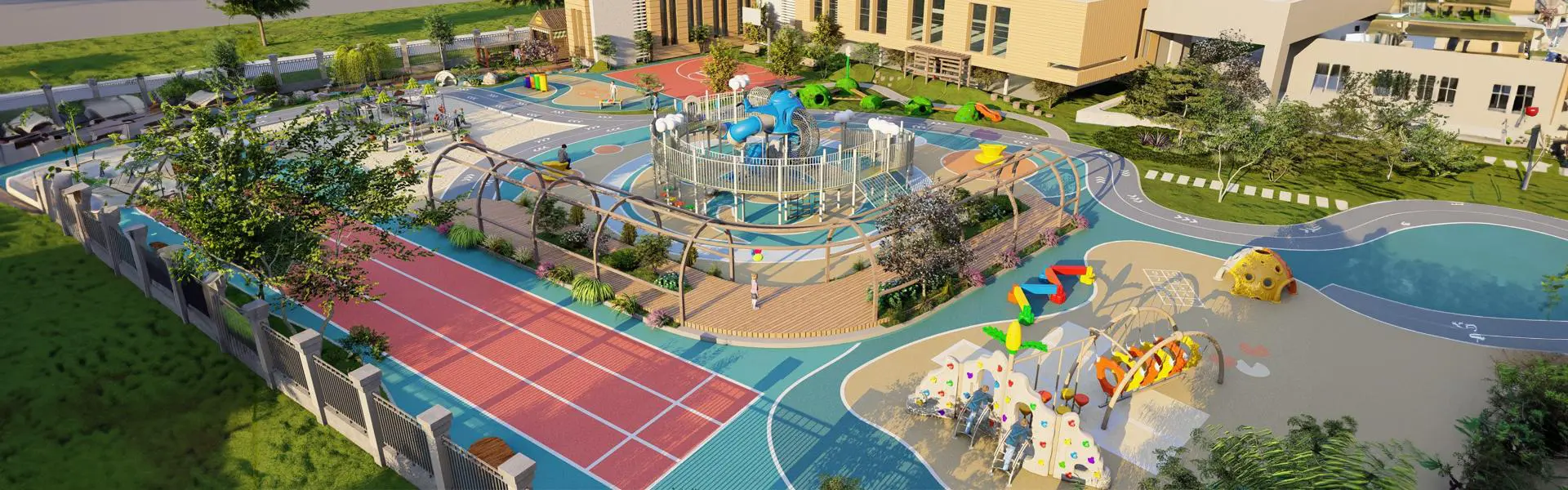
Building a playground is an exciting venture, but the proper installation of playground equipment is crucial for ensuring safety and longevity. Whether you’re a seasoned professional or a community volunteer, this guide will walk you through the essential steps and considerations for installing playground equipment correctly.
1. Site Preparation
Before any equipment can be installed, the site must be prepared meticulously. This involves:
- Surveying the Area: Conduct a thorough survey to ensure the ground is level and free from underground utilities.
- Clearing the Area: Remove any debris, rocks, or vegetation that could hinder installation or pose safety risks.
- Ground Compaction: Ensure the soil is compact and stable to support the weight of the equipment.
2. Selecting the Right Equipment
Choosing the appropriate playground equipment involves considering several factors:
- Age Range: Select equipment suited for the specific age group that will use the playground.
- Safety Standards: Ensure all equipment meets national safety standards and regulations.
- Design: Opt for designs that encourage physical activity and social interaction among children.
3. Understanding the Installation Process
Each piece of playground equipment has specific installation instructions provided by the manufacturer. These guidelines should be followed meticulously. Here are general steps often involved:
- Unpacking Equipment: Carefully unpack each piece of equipment and verify all parts against the assembly list.
- Setting Up Components: Lay out all components in their designated positions as per the installation diagrams.
- Assembling Structures: Use provided hardware and tools to assemble structures according to the manufacturer’s directions. Ensure all bolts and screws are tightened securely.
4. Concrete and Safety Surfacing
To further ensure safety:
- Install Concrete Footers: For larger structures, concrete footers provide stability and prevent shifting.
- Apply Safety Surfacing: Install appropriate surfacing materials such as rubber mulch, wood chips, or sand to cushion falls and reduce injuries. Ensure the depth and type comply with safety standards.
5. Final Inspection and Maintenance
Once installation is complete, a detailed inspection is crucial:
- Check Stability: Verify that all structures are stable and secure.
- Review Accessibility: Ensure pathways and ramps meet accessibility requirements.
- Test Equipment: Conduct tests on swings, slides, and other moving parts to confirm they function smoothly without issues.
6. Ongoing Maintenance
Regular maintenance is key to keeping playground equipment safe and functional:
- Routine Checks: Conduct periodic inspections for wear and tear, loose parts, and damage.
- Immediate Repairs: Address any issues promptly to avoid accidents.
- Clean Surfaces: Keep equipment clean to prevent the buildup of dirt and grime that could cause deterioration.
Conclusion
The installation of playground equipment is a detailed process that requires careful planning, precise execution, and ongoing commitment to maintenance. By following these guidelines, you can create a safe and enjoyable environment for children to play and develop, while also providing peace of mind to parents and guardians. Invest time and effort into the installation process, and your playground will be a cherished community asset for years to come.