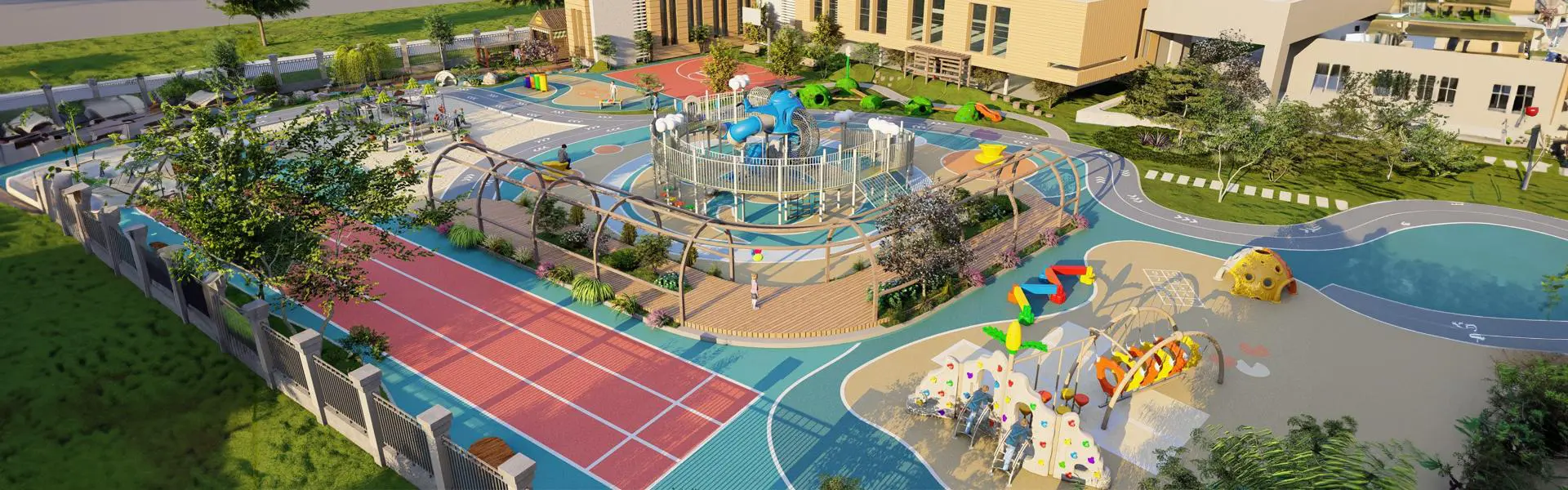
School playgrounds are more than just places for children to run around and burn energy; they’re spaces where imagination, physical activity, and social interaction converge. To create an engaging and developmental environment, it’s essential to incorporate a diverse range of playground equipment that caters to varying interests and age groups. Here are some innovative playground equipment ideas that can transform any schoolyard into a hub of fun and learning.
1. Interactive Climbing Structures
Climbing structures have long been staples in playgrounds, but modern designs take this concept to the next level. Interactive climbing walls with built-in puzzles or games encourage children to engage both their bodies and minds. These structures often come with textured surfaces that simulate different environments, such as rocky terrains or tree barks, providing tactile stimulation while enhancing motor skills.
2. Multipurpose Play Stations
A multipurpose play station is designed to cater to various activities in one compact area. Think of a combination unit featuring slides, swings, seesaws, and balance beams all integrated into one structure. This not only saves space but also offers a multitude of experiences, allowing children to transition seamlessly from one activity to another. These units can be tailored to suit different age groups, ensuring inclusivity and safety.
3. Musical Instruments Area
Integrating an outdoor musical instruments area adds a creative flair to the playground. Drum kits, chimes, xylophones, and even marimbas can be installed in a designated zone. This encourages children to explore sound and rhythm while promoting cooperative play. Musical instruments also offer excellent opportunities for sensory development and fine motor skill enhancement.
4. Nature-Inspired Play Areas
Incorporating elements from nature can make playgrounds more inviting and educational. Features like wooden playhouses, rope bridges, and natural sandboxes encourage imaginative play and environmental awareness. Treehouses, log steppers, and water play areas mimicking creeks or small ponds provide hands-on experiences with the natural world, fostering a deeper connection to their surroundings.
5. Inclusive Playground Equipment
An inclusive playground design ensures that children of all abilities can enjoy the space together. Equipment such as wheelchair-accessible carousels, adaptive swings, and sensory-rich play panels cater to children with physical and cognitive disabilities. Inclusive playgrounds promote empathy, teamwork, and understanding among young students by allowing them to interact with peers who have different needs.
6. Educational Playground Markings
Playground markings are an easy and cost-effective way to add educational elements to existing play areas. Alphabet paths, number hopscotch grids, or world map outlines can turn ordinary pavements into interactive learning tools. Chalkboard zones where kids can draw and write also encourage creativity and literacy skills in a relaxed outdoor setting.
7. Shaded Rest Areas with Interactive Seating
Comfortable seating is crucial for both kids and supervising adults. Install shaded benches or seating areas with built-in games like checkers or four-in-a-row boards. These areas provide a place for relaxation and social interaction, offering a break from active play while still engaging the mind.
8. Adventure Trails and Mazes
Creating adventure trails or simple mazes within the playground layout challenges children’s problem-solving skills and physical agility. Use natural elements like shrubs and low rocks or man-made barriers that are safe yet stimulating. Such trails can include signposts with riddles or clues, making exploration an exciting quest rather than a mere walk.
Conclusion
The key to an effective school playground lies in diversifying the types of equipment available, ensuring there’s something for every child. By blending traditional play elements with innovative, educational, and inclusive features, schools can create vibrant, dynamic spaces that support holistic development—both physically and mentally. These playground equipment ideas serve as a foundation for crafting environments where children learn, explore, and grow together, enriching their school experience far beyond the classroom walls.