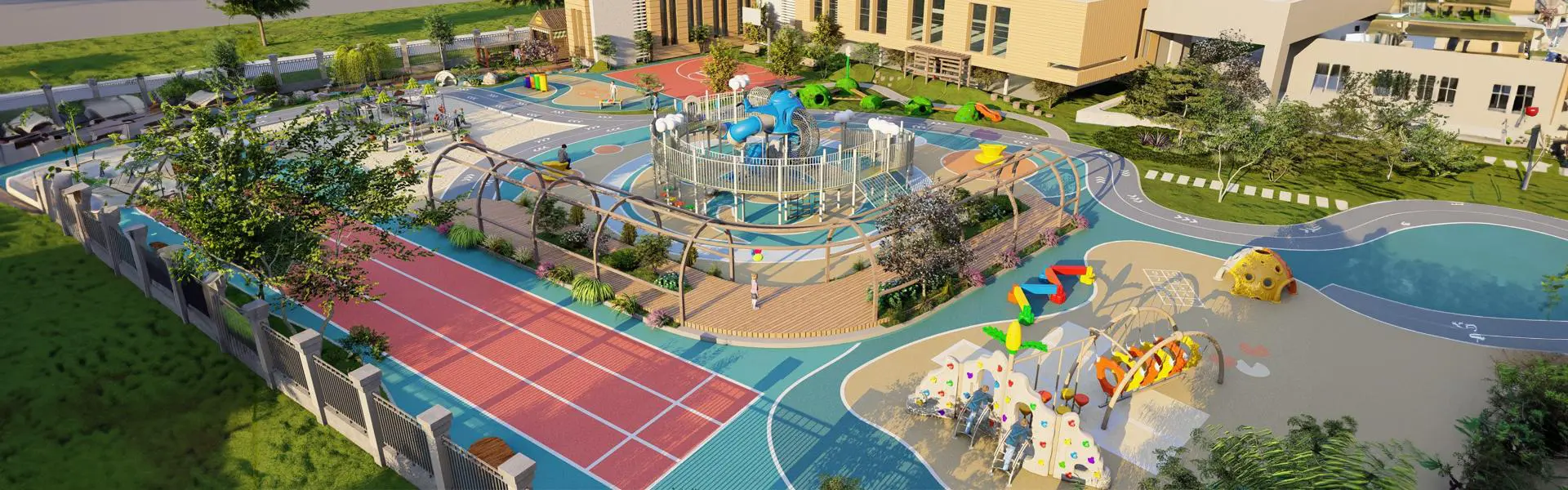
When it comes to creating engaging, safe, and accessible public playgrounds, one of the most crucial considerations is the cost associated with installing and maintaining playground equipment. These expenses can vary widely based on a range of factors including location, type of equipment, materials used, and ongoing maintenance needs. Understanding these costs can help communities make informed decisions about investing in their children’s recreational spaces.
Types of Playground Equipment and Their Costs
Public playgrounds typically feature various types of equipment such as swings, slides, climbing structures, seesaws, and merry-go-rounds. Each piece of equipment has a different price point depending on its complexity, material, and safety features. Basic playground components like swing sets or small slides might start at several hundred dollars, while more complex structures like multi-level climbing frames or custom-designed play areas can run into tens of thousands of dollars.
Material Matters
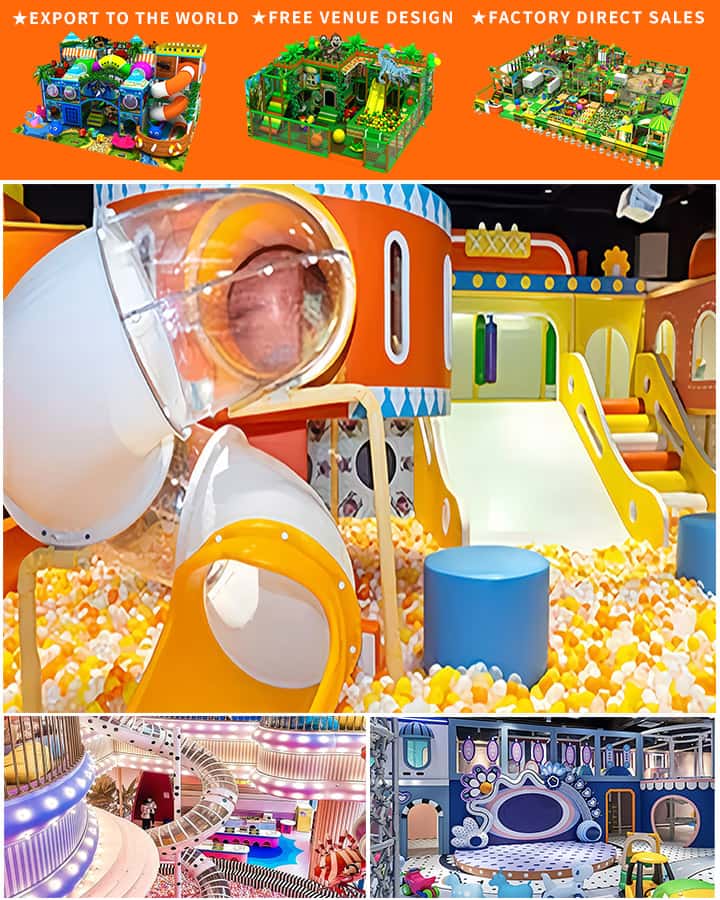
The choice of materials significantly impacts the overall cost. Metal and plastic are popular choices due to their durability and low maintenance needs. However, high-quality wood, though more expensive initially, offers a natural aesthetic and can be more environmentally friendly if sustainably sourced. Recycled or eco-friendly materials can also add to the initial expense but may reduce long-term costs and environmental impact.
Installation Costs
Beyond the purchase price of the equipment itself, installation is a major factor in total costs. Professional installation ensures that the playground complies with safety standards and local regulations, often requiring specialized labor and tools. Depending on the size and complexity of the playground, installation fees can range from a few thousand dollars to tens of thousands. This includes site preparation, which might involve leveling the ground, adding safety surfaces, and ensuring proper drainage.
Ongoing Maintenance and Safety Inspections
Maintenance is an ongoing cost that should not be overlooked. Regular inspections and upkeep are essential for ensuring safety and extending the lifespan of playground equipment. Annual maintenance might include tasks such as repainting, tightening bolts, and replacing worn parts. Safety inspections by certified professionals are also required to comply with legal standards, adding to the recurring costs. Budgeting for these expenses is critical for sustainable playground management.
Funding Sources
Funding public playgrounds often involves a mix of government grants, community fundraising, and private donations. Local governments may allocate funds through parks and recreation departments, while national grants can provide additional financial support. Community fundraising efforts, such as charity runs or local business sponsorships, can also play a significant role. Private donations from individuals or companies willing to invest in community welfare can further alleviate financial burdens.
Conclusion
While the costs for public playground equipment can be substantial, the long-term benefits far outweigh the initial investment. Quality playgrounds promote physical health, social development, and community well-being, serving as vital spaces for children and families alike. By understanding and planning for these costs—equipment, installation, maintenance—communities can create safe, engaging, and enduring recreational spaces for future generations to enjoy.