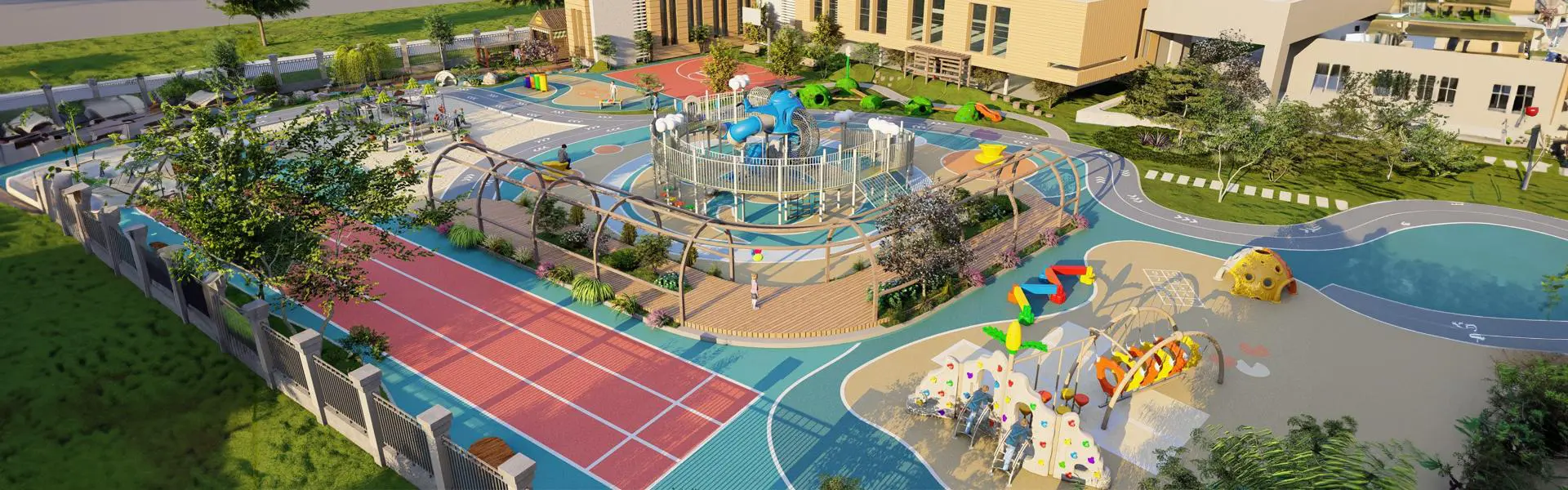
When planning to create an engaging and safe play environment for children, one of the crucial factors to consider is the cost of playground equipment. The expenses can vary significantly based on several variables, from the type of equipment to the materials used and installation costs. In this comprehensive guide, we will explore the various elements that contribute to the overall cost of playground equipment, helping you make informed decisions for your project.
Types of Playground Equipment
The first aspect to consider when evaluating the cost is the type of playground equipment you intend to install. Common categories include:
Traditional Swings and Seesaws: These are generally more affordable, with basic models starting at a few hundred dollars. Higher-quality, commercial-grade swings and seesaws may cost between \(500 and \)2,000 each.
Slides: Slides come in various sizes and designs, from simple, single-slide structures to elaborate multi-slide setups. Basic slides can start as low as $200, while complex, multi-functional slides can exceed several thousand dollars each.
Climbing Structures: Climbing frames, including jungle gyms and rock-climbing walls, tend to be more expensive due to their complexity and safety requirements. Depending on size and features, these can range from \(1,000 to over \)10,000.
Spinning Rides: These include merry-go-rounds and spinners, which are typically moderately priced but can vary widely depending on the design and materials, costing between \(800 and \)5,000.
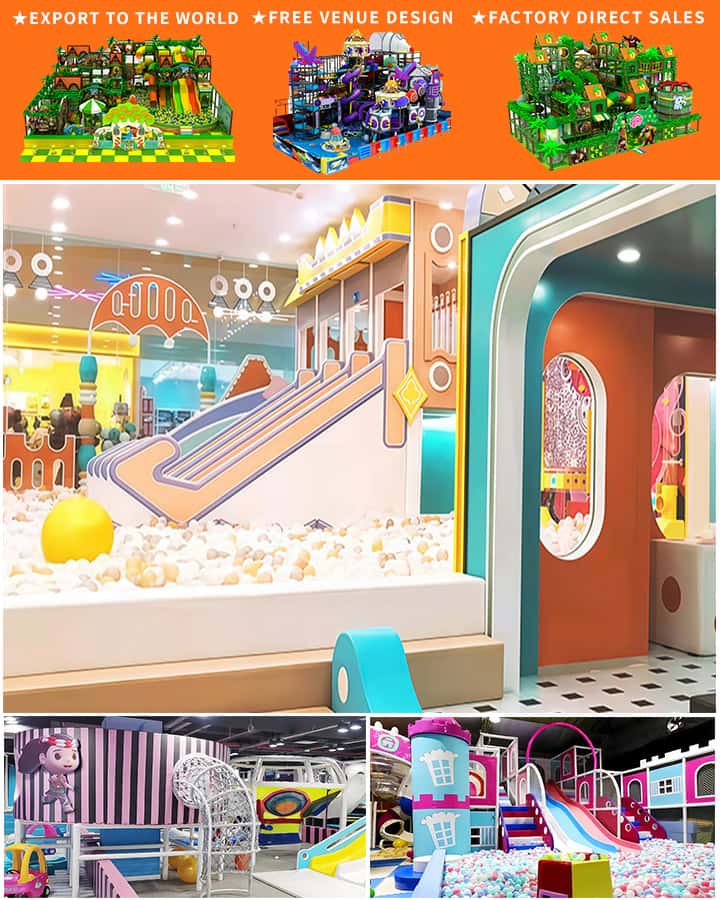
Playhouses and Forts: These structures provide imaginative play opportunities and can range from simple wood structures costing around \(500 to elaborate custom designs that can exceed \)10,000.
Factors Influencing Cost
Several other factors can impact the cost of playground equipment beyond just the type:
Material Quality: Playground equipment made from high-quality, durable materials such as stainless steel, heavy-duty plastics, or pressure-treated woods will generally last longer but come at a higher price. Lower-cost options may save money upfront but could require more frequent replacements or repairs.
Size and Customization: Larger, more complex structures or customized designs to fit unique spaces will naturally be more expensive. Custom colors, additional features, and branded elements also add to the overall cost.
Safety Standards: Equipment that meets stringent safety standards, such as ASTM (American Society for Testing and Materials) or EN (European Norms), may initially seem pricier but ensure compliance with regulations and reduce long-term liabilities related to accidents.
Installation Costs: Professional installation is often recommended for ensuring the equipment’s stability and safety. Installation fees can be substantial, sometimes adding 20-50% to the overall cost of the equipment. DIY installation may lower immediate costs but could compromise safety if not done correctly.
Maintenance and Upkeep: Ongoing maintenance is essential for keeping playground equipment safe and functional. Budgeting for regular inspections, lubrication, repainting, and part replacements is crucial. Some materials and designs may require more intensive care, influencing long-term costs.
Budgeting for Your Playground Project
To budget effectively for a playground project, follow these steps:
Assess Needs and Space: Determine how much space you have and what types of activities you want to support. This helps narrow down the types of equipment needed.
Set a Budget: Establish a realistic budget that includes initial equipment costs, installation, and future maintenance expenses. Be prepared for potential hidden costs like groundwork or landscaping.
Research Vendors: Obtain quotes from multiple suppliers and manufacturers to compare prices and services. Look for companies offering good warranties and after-sales support.
Plan for Safety: Invest in equipment that complies with safety standards and consider additional safety features like soft surfacing (such as rubber mats or wood chips) to cushion falls, which also adds to the total expense but enhances safety.
In conclusion, the cost of playground equipment varies widely based on type, quality, customization, safety standards, and installation requirements. By carefully considering these factors and planning accordingly, you can create a fun, engaging, and safe playground that provides lasting enjoyment for children while staying within your budget