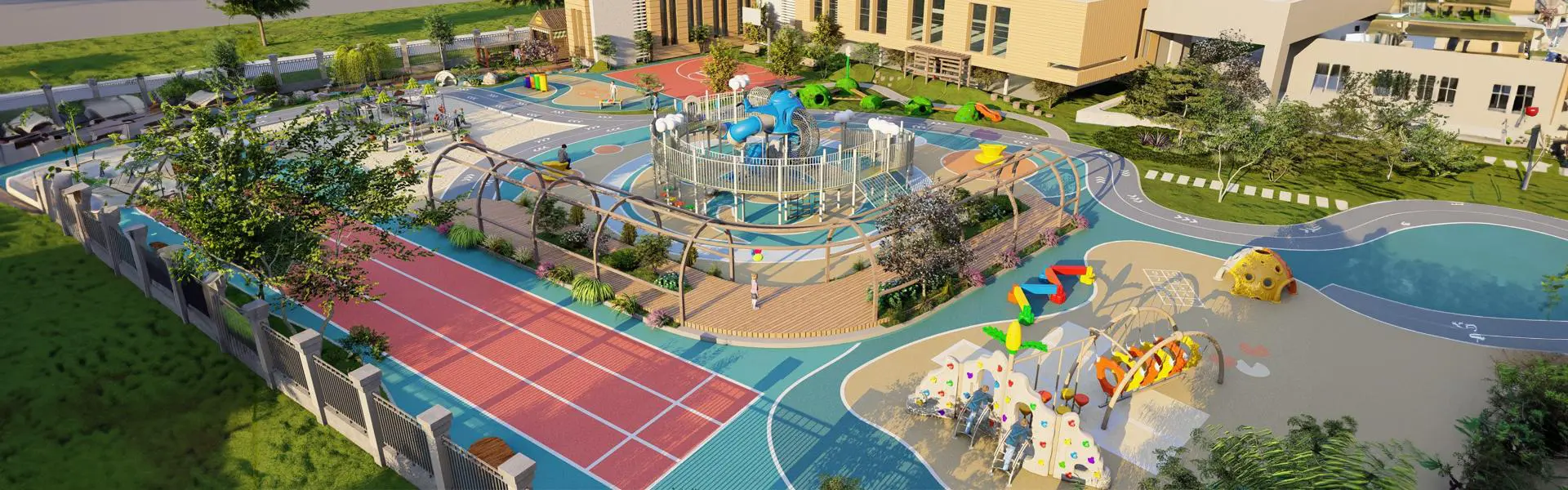
Creating a safe and engaging playground environment in public parks is crucial for the physical and emotional well-being of children. However, installing and maintaining playground equipment involves various costs that extend beyond the initial price tag. This article delves into the comprehensive cost structure involved in procuring and sustaining high-quality playground equipment for parks.
Initial Costs
- Purchasing Equipment:
- The primary financial outlay when setting up a park’s playground is the purchase of the equipment itself. Prices can vary widely based on the type, size, and quality of the equipment. For instance, basic playground structures like swing sets and slides may start at a few hundred dollars, while custom-designed, inclusive play systems can run into tens of thousands of dollars.
- Safety surfaces such as rubber mats or wood chips also need to be considered in the initial budget, adding several hundred to a few thousand dollars depending on the coverage area.
- Installation Fees:
- Professional installation of playground equipment is essential to ensure safety and compliance with local regulations. Installation costs can range from a few hundred to several thousand dollars, influenced by factors such as the complexity of the setup, site conditions, and labor rates in the area.
Ongoing Maintenance Costs
- Regular Inspections:
- Ensuring the continued safety and functionality of playground equipment requires regular inspections. Municipalities often employ staff to conduct routine checks or hire third-party services, which can cost anywhere from \(50 to \)200 per visit. Annual inspections are typically recommended, especially for high-traffic areas.
- Repairs and Replacements:
- Wear and tear necessitate periodic repairs and part replacements. Common maintenance tasks include tightening bolts, replacing broken parts, and repainting faded surfaces. Budgeting for these repairs can add up to hundreds to thousands of dollars annually, depending on the frequency of use and severity of damage.
- Safety Surfacing Maintenance:
- The materials used for safety surfacing require periodic replenishment and redistribution to maintain their protective qualities. Replacing or topping off rubber mulch, sand, or other loose fill materials might cost between \(200 and \)1,000 per year, depending on the size of the area.
- Upgrades and Modernization:
- As technology and safety standards evolve, older playground equipment may need upgrading or replacing to meet current guidelines. This includes retrofitting existing structures with more modern safety features or investing in newer, compliant designs, which can be a significant long-term expense.
Additional Considerations
- Insurance and Liability Coverage:
- Public entities should consider obtaining liability insurance to cover potential accidents or injuries occurring on the playground. Premiums for such policies can vary based on the level of coverage needed but are an important safeguard against unexpected legal and medical costs.
- Community Engagement:
- Engaging the community during planning and decision-making processes can foster a sense of ownership and responsibility for maintaining the playground, potentially reducing vandalism and misuse. While not a direct financial cost, this investment in social capital can yield long-term economic benefits.
Conclusion
The true cost of playground equipment for parks encompasses a broad spectrum of expenses beyond the initial purchase, including installation fees, ongoing maintenance, safety measures, and community engagement efforts. By understanding these comprehensive costs, municipalities can better plan their budgets and ensure that public parks remain safe and enjoyable spaces for children of all ages. Investing in high-quality playground equipment and diligent maintenance not only enhances recreational opportunities but also promotes public health and well-being.