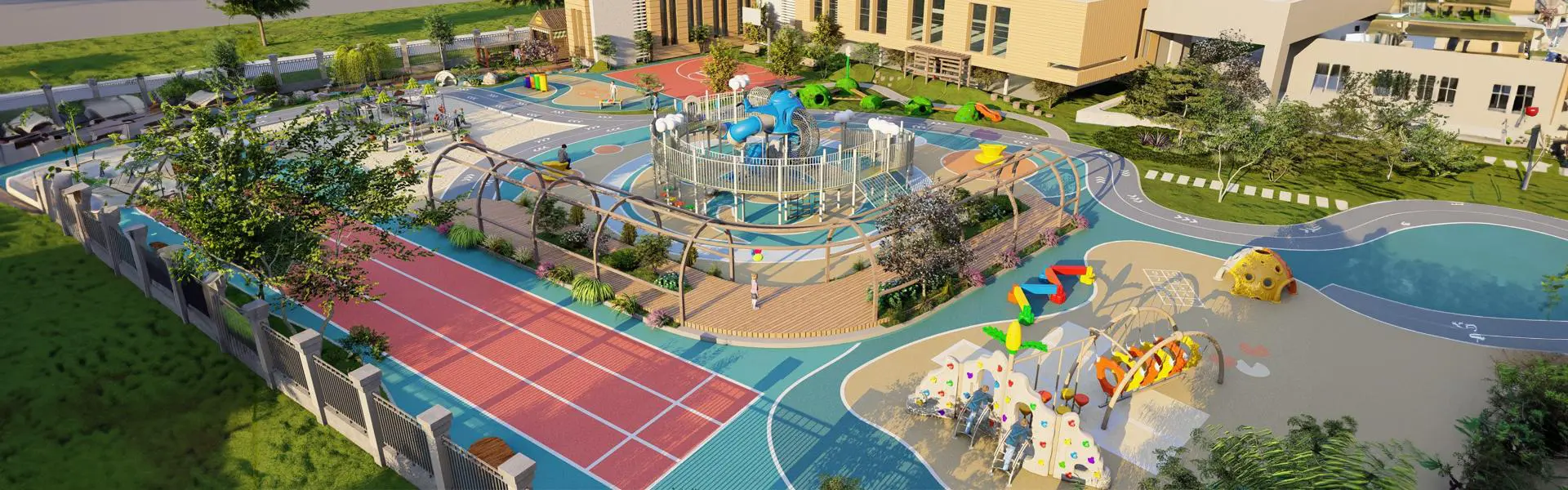
In recent years, the cost of children’s playground equipment has seen a steady rise. This increase can be attributed to various factors that affect the manufacturing, distribution, and installation of these essential recreational items for kids. Understanding these factors can help parents, community organizations, and school administrators make informed decisions when planning to purchase playground equipment.
Factors Influencing the Cost of Playground Equipment
Material Quality: The materials used in making playground equipment are often subject to stringent safety standards. High-quality materials such as durable plastics, treated wood, and non-toxic metals ensure longevity and safety but come with a higher price tag. For instance, commercial-grade plastics are more resistant to wear and tear than standard options, making them ideal for heavy use but also more expensive.
Safety Standards and Compliance: Adherence to safety standards is another major determinant of cost. Playground equipment must meet national and international safety guidelines, which require rigorous testing and certification. Products that have passed these tests and are approved by relevant authorities tend to be pricier due to the additional layers of compliance and quality assurance they undergo.
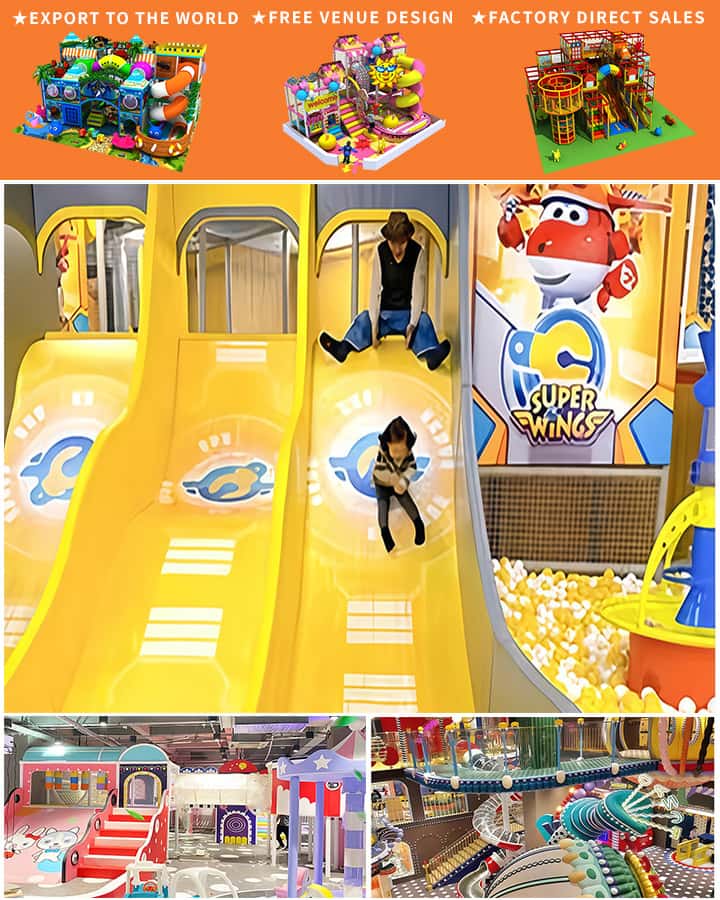
Customization and Complexity: Customized playgrounds designed to cater to specific needs or aesthetic preferences can significantly drive up costs. Unique themes, special features like inclusive play elements for differently-abled children, and intricate designs require more time and resources, thus contributing to higher expenses.
Brand Reputation: Established brands that have built a reputation for high-quality products often charge premium prices. These companies invest in research, development, and customer service, all of which add value but also increase the overall cost.
Transportation and Installation: The cost of delivering and installing playground equipment is not negligible. Depending on the size, location, and complexity of the equipment, transportation costs can vary widely. Professional installation, which ensures that the playground is assembled correctly and safely, further adds to the total expenditure.
Economic Factors: Like many goods and services, the price of playground equipment is also influenced by broader economic conditions. Fluctuations in raw material prices, labor costs, and tariffs can impact the final cost consumers pay. Additionally, market demand and competition among manufacturers can lead to variations in pricing.
Budgeting for Playground Equipment
Given these factors, it is crucial for those looking to acquire playground equipment to plan their budget meticulously. Here are some tips for managing costs effectively:
- Prioritize Needs Over Wants: Focus on purchasing the most essential items first and expand the playground in phases as finances allow.
- Compare Quotes: Obtain multiple quotes from different suppliers to find the best deal without compromising on quality and safety standards.
- Look for Deals and Discounts: Manufacturers often offer discounts for bulk purchases or during off-peak seasons. Keep an eye out for such opportunities.
- Consider Long-term Value: Investing in high-quality equipment may seem costly upfront but can save money in the long run due to reduced maintenance and replacement costs.
- Explore Funding Options: Grants, donations, and community fundraising campaigns can help offset the costs, especially for public or school playgrounds.
In conclusion, while the rising cost of children’s playground equipment poses a challenge, careful planning and consideration of key factors can help manage these expenses effectively. Ensuring that children have access to safe and engaging play spaces remains a worthwhile investment in their health, development, and well-being.