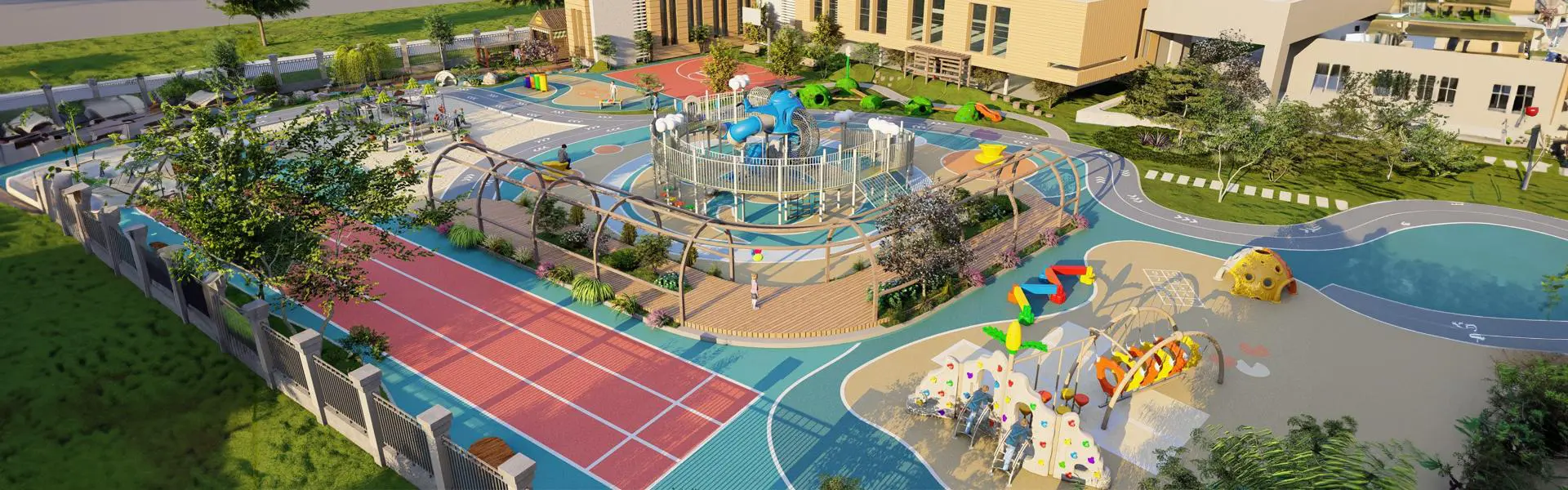
In today’s fast-paced world, indoor play areas have become essential for both parents and children. These spaces offer a safe and controlled environment where kids can engage in physical activities, social interactions, and imaginative play. The key to creating an exceptional indoor play area lies in selecting the right equipment that caters to various age groups, interests, and developmental needs. Here is a comprehensive guide to indoor play area equipment that will help you design an inviting and enjoyable space for children.
Soft Play Equipment
Soft play equipment is fundamental in any indoor play area. It provides a soft and cushioned environment where young children can crawl, walk, and explore without the risk of injury. Popular options include:
- Foam Blocks and Mats: These come in various shapes and sizes and are perfect for building structures, enhancing motor skills, and encouraging creativity.
- Bouncy Castles: A classic favorite, bouncy castles offer endless fun while promoting physical activity and balance.
- Inflatable Play Equipment: From obstacle courses to inflatable slides, these add a dynamic element to the play area.
Climbing Structures
Climbing structures are excellent for developing coordination, strength, and problem-solving skills. They also provide an outlet for children’s boundless energy. Key climbing structures include:
- Indoor Climbing Walls: Safe and challenging, these walls can be customized with varying levels of difficulty and routes.
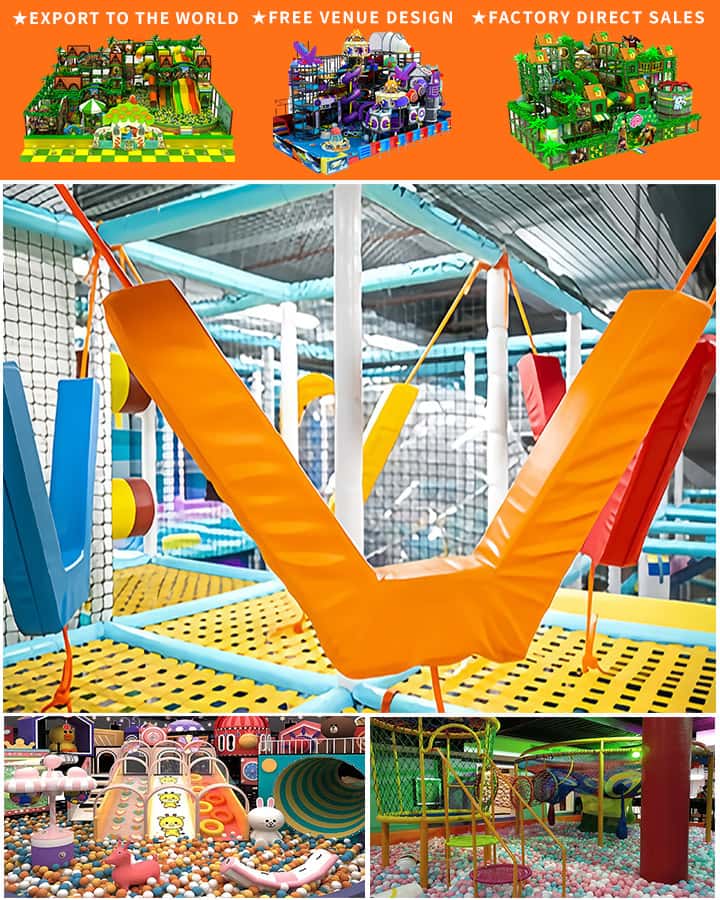
- Playground Ladders and Ramps: Perfect for younger children, these structures enhance gross motor skills and spatial awareness.
- Rope Climbing Towers: Adding rope climbing towers introduces an element of adventure while improving upper body strength.
Imaginative Play Equipment
Imaginative play is crucial for cognitive and social development. Providing equipment that fosters creativity and role play ensures that children can immerse themselves in different scenarios. Examples include:
- Play Kitchens: These allow children to mimic cooking and food preparation, which helps develop fine motor skills and understanding of daily routines.
- Costumes and Dress-Up Stations: With a variety of costumes and accessories, kids can act out different roles and characters, encouraging empathy and storytelling.
- Sand and Water Tables: Perfect for sensory exploration, these tables let children experiment with sand and water, enhancing their understanding of textures and properties.
Interactive Toys and Gadgets
Integrating technology into the play area can make it more engaging and educational. Interactive toys and gadgets combine fun with learning and are ideal for tech-savvy kids. Consider including:
- Interactive Whiteboards: Great for drawing, coloring, and educational games that promote creativity and learning.
- Educational Apps: Tablets or touchscreen devices loaded with educational apps can provide interactive learning experiences tailored to different age groups.
- Augmented Reality (AR) Games: AR games bring digital elements into the real world, offering an immersive and innovative play experience.
Physical Development Equipment
Physical development is a core aspect of childhood growth. Equipping the play area with tools that enhance physical fitness and coordination ensures that children stay active and healthy. Options include:
- Trampolines: Safe for indoor use, trampolines improve balance, coordination, and cardiovascular health.
- Balance Beams and Gymnastic Rings: These promote flexibility, balance, and strength while introducing basic gymnastic concepts.
- Indoor Slides: A fun way to build physical endurance and confidence as children navigate from top to bottom.
Safety First
While selecting equipment, safety is paramount. Ensure all items meet safety standards and regularly inspect them for wear and tear. Non-toxic materials, rounded edges, and appropriate cushioning are essential features to look for in indoor play area equipment.
Conclusion
Creating the perfect indoor play area involves careful selection of diverse, engaging, and safe equipment that caters to children’s developmental needs and interests. By incorporating a mix of soft play equipment, climbing structures, imaginative play setups, interactive gadgets, and physical development tools, you can create an environment that not only entertains but also educates and nurtures young minds. Happy playing!