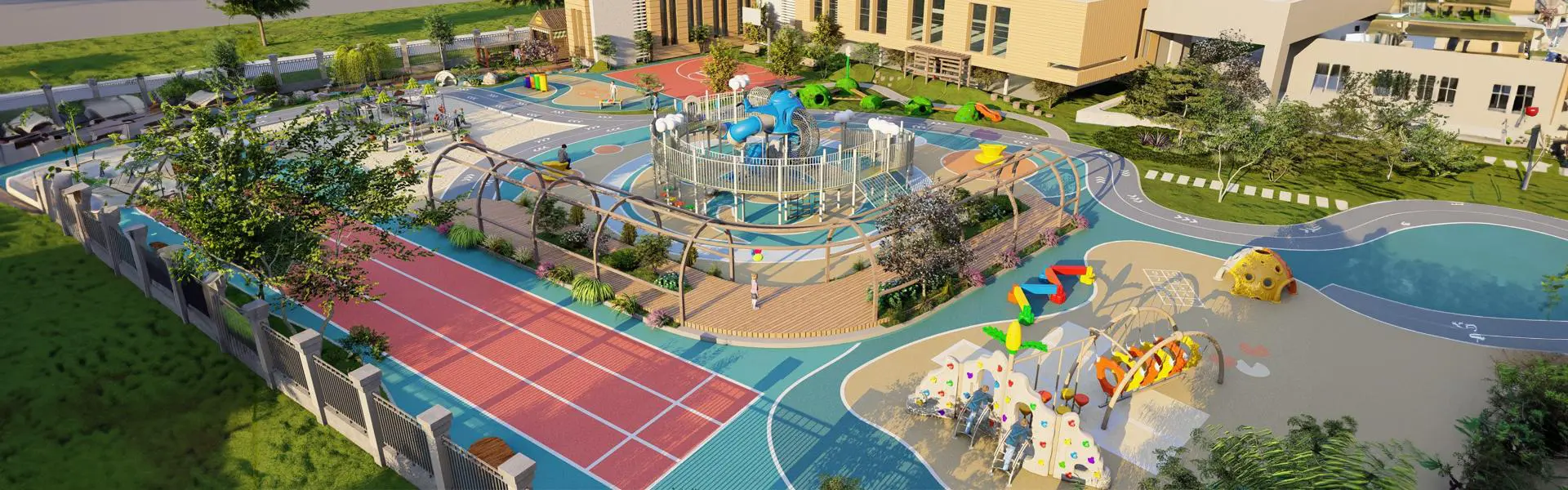
Play is an integral part of a child’s development, providing essential physical exercise, social interaction, and mental stimulation. As parents, caregivers, and community leaders, it’s our responsibility to ensure that the spaces where children play are safe, clean, and well-maintained. Proper upkeep of kids’ play areas not only enhances the play experience but also significantly reduces the risk of accidents and injuries.
Safety First: The Core of Playground Maintenance
The primary concern with any play area is safety. Regular inspections are crucial to identify potential hazards such as broken equipment, rusty metal parts, or splintered wood. It’s important to address these issues immediately, as they can lead to serious injuries. Additionally, playground surfaces should be soft enough to absorb impact, minimizing the risk of severe injury from falls. Inspectors should regularly check for adequate cushioning materials like rubber mats, sand, or wood chips and ensure they are in good condition.
Cleanliness: Promoting Health and Hygiene
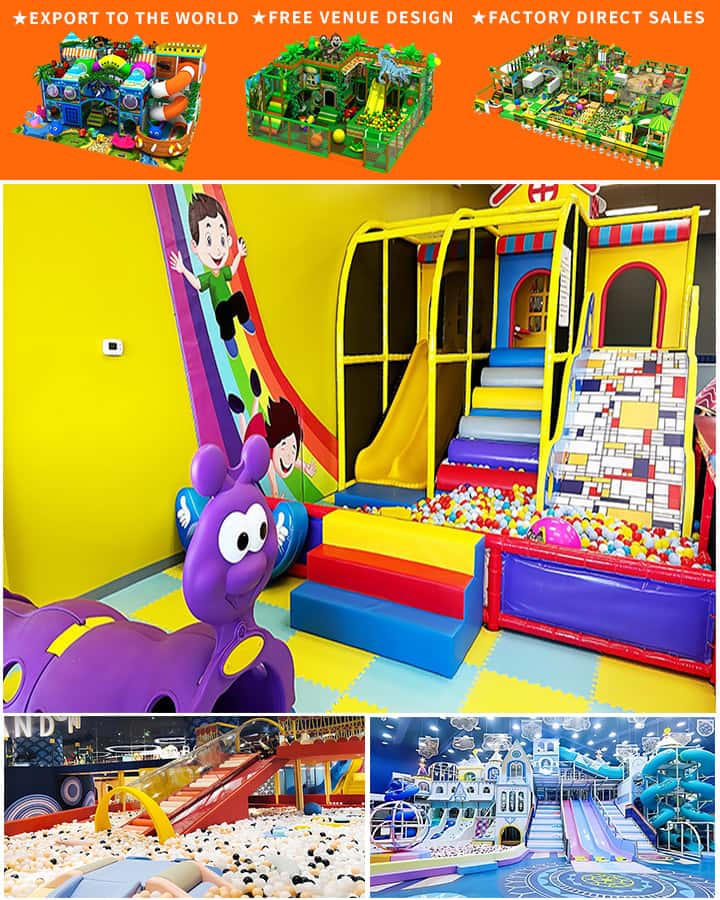
A clean play area is vital for the health and hygiene of young children who are prone to putting their hands (and subsequently everything) into their mouths. Regular cleaning routines should include sweeping away debris, washing high-touch surfaces, and sanitizing toys and equipment. In wet weather conditions, it becomes even more critical to dry off wet surfaces to prevent mold and mildew growth, which can pose respiratory risks.
Equipment Upkeep: Durability Meets Enjoyment
Playground equipment undergoes significant wear and tear due to frequent use. Regular maintenance ensures that swings, slides, and climbing frames remain durable and functional. Lubricating moving parts, tightening screws, and replacing worn-out components are all part of effective equipment upkeep. By doing so, we guarantee that the play structures remain enjoyable without compromising on safety.
Environmental Considerations
Maintaining a kids’ play area should also encompass environmental considerations. Using non-toxic, eco-friendly materials for repairs and upgrades can minimize the environmental impact. Additionally, incorporating natural elements like shade trees or grassy patches within the playground not only enhances aesthetic appeal but also provides a cooler and more pleasant environment for children during hot days.
Community Involvement: A Collaborative Effort
Community involvement plays a significant role in maintaining kids’ play areas. Parents, local councils, schools, and other organizations should work together to prioritize playground maintenance. Hosting regular “Playground Care Days” can engage the community, foster a sense of ownership, and keep the facilities in top condition. Educating parents and children about the importance of taking care of play areas also instills a sense of responsibility from a young age.
Conclusion
Maintaining kids’ play areas is not just about keeping them visually appealing; it’s about ensuring they are safe havens for fun and development. By adhering to a regular maintenance schedule, addressing safety concerns promptly, keeping the area clean, and involving the community, we create a nurturing environment where children can thrive and enjoy their playtime to the fullest. Remember, a well-maintained play area is a happy and healthy one.