
In today’s fast-paced world, finding safe and engaging environments for toddlers can be a challenge. Indoor playgrounds offer an excellent solution that combines fun, safety, and developmental benefits for young children. These spaces are designed specifically with toddlers in mind, catering to their unique needs and interests. This article explores the key features, benefits, and considerations of indoor playgrounds for toddlers.
Key Features of Indoor Playgrounds for Toddlers
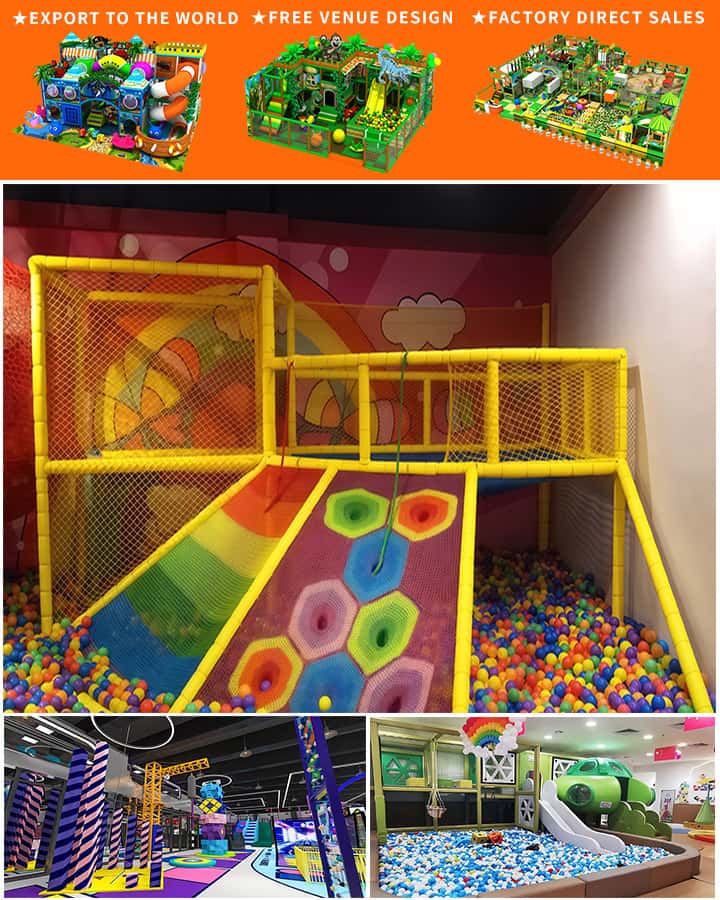
1. Soft Play Areas: Indoor playgrounds for toddlers typically feature soft play areas equipped with foam mats, cushioned slides, and padded climbing structures. These areas provide a safe environment where children can crawl, climb, and explore without the risk of serious injury.
2. Age-Appropriate Equipment: Toddlers have different developmental stages compared to older children, and their equipment should reflect that. Look for playgrounds that offer age-appropriate toys and activities, such as small slides, miniature climbing walls, and interactive sensory toys.
3. Safe Environment: Safety is paramount in any indoor playground for toddlers. These facilities are often designed with round edges, non-toxic materials, and constant supervision by trained staff to ensure the well-being of every child.
4. Educational Elements:
Many modern indoor playgrounds incorporate educational elements into their designs. From interactive games that promote cognitive development to sensory zones that stimulate physical and tactile exploration, these features can significantly contribute to a toddler’s growth.
Benefits of Indoor Playgrounds for Toddlers
1. Physical Development: Climbing, sliding, and running around in an indoor playground help strengthen a child’s muscles and improve coordination. These physical activities are essential for overall motor skill development.
2. Social Interaction: Toddlers learn a great deal from interacting with their peers. Indoor playgrounds provide a structured yet open environment where children can make friends, develop social skills, and learn about sharing and cooperation.
3. Mental Stimulation: Play is crucial for cognitive development. Indoor playgrounds often include puzzles, blocks, and other problem-solving activities that challenge a toddler’s mind and foster creativity.
4. Parental Convenience: For busy parents, indoor playgrounds offer a weather-independent venue for kids to expend energy and have fun. These facilities usually come with seating areas and cafés, making it easier for caregivers to relax while keeping an eye on their children.
Considerations When Choosing an Indoor Playground
1. Safety Standards: Always check if the playground complies with local safety regulations and maintains high standards for cleanliness and hygiene.
2. Age-Specific Areas: Ensure the playground has designated areas for toddlers to avoid any accidents or injuries that might occur if older children are present.
3. Staff Supervision: Well-trained staff members are essential for maintaining order and quickly addressing any concerns or emergencies.
4. Additional Amenities: Look for additional amenities like restrooms, changing stations, and refreshment options to make your visit more comfortable and enjoyable.
Conclusion
Indoor playgrounds offer a fantastic opportunity for toddlers to engage in physical activity, enhance social skills, and explore their creativity in a safe and controlled environment. By choosing a well-designed, age-appropriate indoor playground, parents can ensure their little ones have a fun-filled and beneficial experience. So next time you’re looking for a place where your toddler can play, consider the myriad benefits that indoor playgrounds have to offer.