
In today’s fast-paced world, finding engaging and safe spaces for children to play can be a challenge. An indoor play area offers not only a haven for kids to expend their energy but also an opportunity for parents to ensure a secure environment free from external dangers. Here are some key elements to consider when designing the perfect indoor play space for your little ones.
Safety First: The Cornerstone of Any Indoor Play Area
Safety should always be the top priority when creating an indoor play area. Ensure that the space is free from sharp edges, choking hazards, and toxic materials. Use non-toxic, washable paints and child-friendly flooring options like foam mats or carpet tiles to cushion falls. Install safety gates if necessary to keep the area contained and protect against accidents.
Furniture That Doubles as Fun
When selecting furniture for an indoor play area, think multifunctional. Items like storage benches, climbable bookshelves, and foldable tables can serve dual purposes. These pieces not only help in organizing toys but also provide additional opportunities for climbing, hiding, and imaginative play.
 Imagination Stations: Stimulate Creativity
An indoor play area should be a place where imagination can run wild. Set up different stations that encourage creativity and role-playing. A small kitchen area with pretend utensils and pots allows children to mimic cooking activities, while a miniature living room with dolls and stuffed animals fosters social skills and nurturing behavior.
Active Play: Incorporate Physical Activities
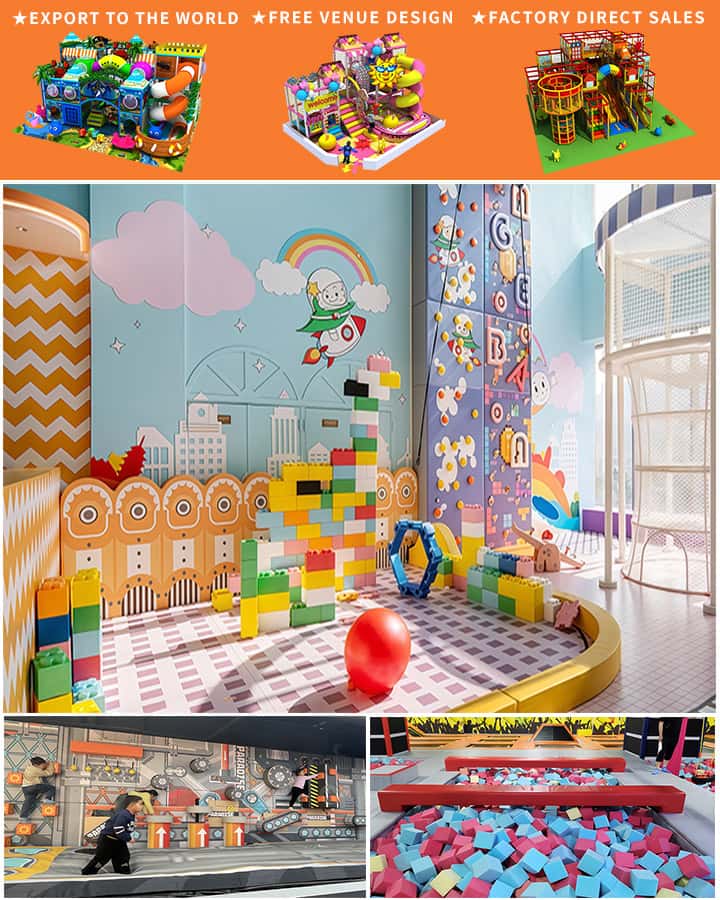
Physical activity is crucial for children’s development, even indoors. Consider adding elements like a small slide, a ball pit, or a climbing wall that is appropriate for indoor use. Interactive toys such as trampolines or balance beams can also be great options to keep kids active.
Educational Corners: Learning Through Play
Combine fun with education by dedicating a corner of the play area to learning activities. Puzzles, building blocks, and interactive whiteboards can help develop cognitive skills while keeping children entertained. Rotate these items regularly to maintain interest and engagement.
Personalized Touches: Make It Their Own
Involve your children in the design process to make the space feel truly their own. Let them choose themes, colors, and decorations that reflect their interests and passions. Personalized touches can make the play area more inviting and enjoyable.
Maintenance: Keep It Tidy and Safe
Lastly, maintaining the indoor play area is essential for long-term usability and safety. Regularly clean the space to remove dust, wipe down surfaces, and check for any wear and tear. Store toys properly to avoid clutter and potential hazards.
Conclusion
Creating an indoor play area requires thoughtful planning and attention to detail. By prioritizing safety, incorporating diverse forms of play, and involving your children in the design process, you can create a space that is not only fun but also enriching for your little ones. Whether it’s a cozy reading nook or an action-packed adventure zone, the ultimate indoor play area will offer endless opportunities for growth, creativity, and joy.