
In today’s world, where screen time often overshadows physical activity, finding engaging and beneficial play options for children is more important than ever. Fortunately, a variety of indoor play equipment offers a perfect blend of fun and developmental benefits that can transform a child’s playtime into a valuable learning experience. This guide will explore the top types of children’s indoor play equipment that not only keep kids entertained but also support their growth in various areas.
The Benefits of Indoor Play Equipment
Before diving into specific equipment, it’s essential to understand why indoor play is so crucial for children. Engaging in physical play promotes motor skills, improves coordination, and enhances balance. Additionally, indoor play equipment stimulates creativity and imagination, providing endless opportunities for role-playing scenarios. It also offers a safe and controlled environment where parents can easily supervise and ensure their child’s safety while they play.
Top Indoor Play Equipment Choices
1. Climbing Walls and Play Structures
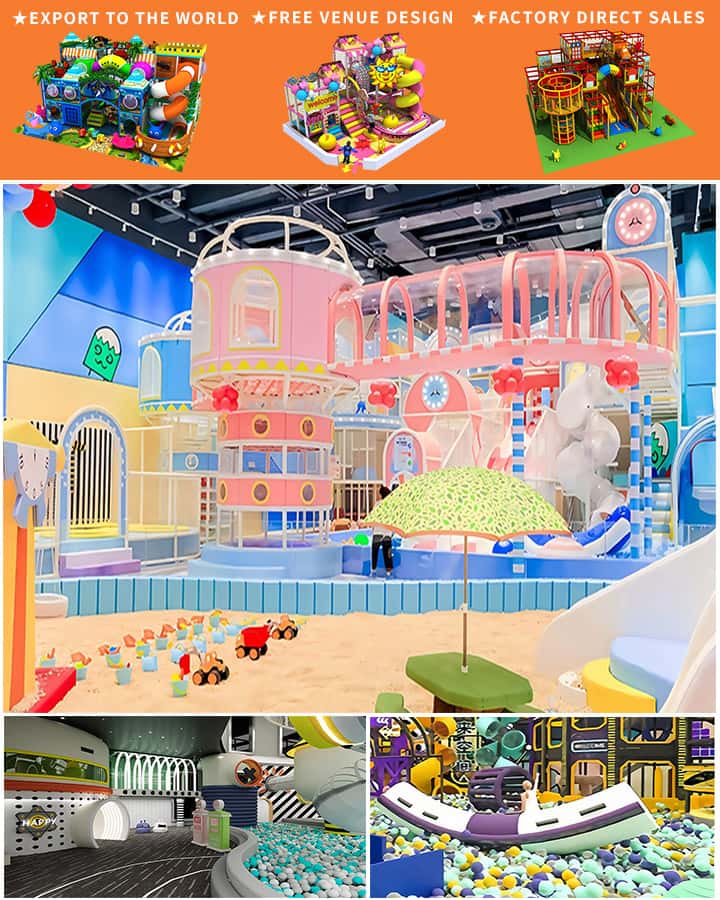
Climbing walls and indoor play structures are excellent for developing a child’s gross motor skills. They encourage children to use their muscles, build strength, and improve their coordination. These structures often come with various configurations, including slides, tunnels, and platforms, offering multiple ways to engage young ones.
2. Trampolines
Mini trampolines provide an excellent cardiovascular workout and help improve leg strength and coordination. They are especially popular because they offer a fun way to burn off energy. Safety features like padded edges and non-slip surfaces ensure a safer bouncing experience.
3. Inflatable Play Equipment
Inflatable bounce houses or obstacle courses are fantastic for indoor fun. They are not only entertaining but also promote physical activity. Inflatables come in various themes, from castles to sports arenas, making them visually appealing and exciting for children.
4. Interactive Learning Toys
While not traditional “play equipment,” interactive learning toys such as electronic learning boards, shape sorters, and building blocks are essential for cognitive development. These toys enhance problem-solving skills, hand-eye coordination, and fine motor abilities.
5. Play Kitchens and Role-Play Sets
Play kitchens and role-play sets encourage imaginative play and social interaction. These items allow children to mimic real-life scenarios, fostering creativity and improving language skills through pretend conversations.
Safety First: Tips for Using Indoor Play Equipment
Safety should always be a priority when it comes to indoor play. Here are some tips to ensure that your child’s playtime remains both fun and secure:
Supervise Actively: Always keep an eye on your children while they are playing, especially with climbing walls and trampolines.
Choose Age-Appropriate Equipment: Ensure that the play equipment matches your child’s age and development stage to reduce the risk of injury.
Maintain the Equipment: Regularly inspect and maintain the equipment to prevent any potential hazards caused by wear and tear.
Safety Gear: For climbing walls and trampolines, consider using safety gear such as helmets and knee pads.
Conclusion
Children’s indoor play equipment provides a wonderful opportunity for physical activity, creativity, and cognitive development. By selecting the right mix of climbing structures, trampolines, inflatables, interactive toys, and role-play sets, you can create an engaging and educational play environment at home. Remember to prioritize safety to ensure that your child’s playtime is as enjoyable as it is beneficial. Happy playing!