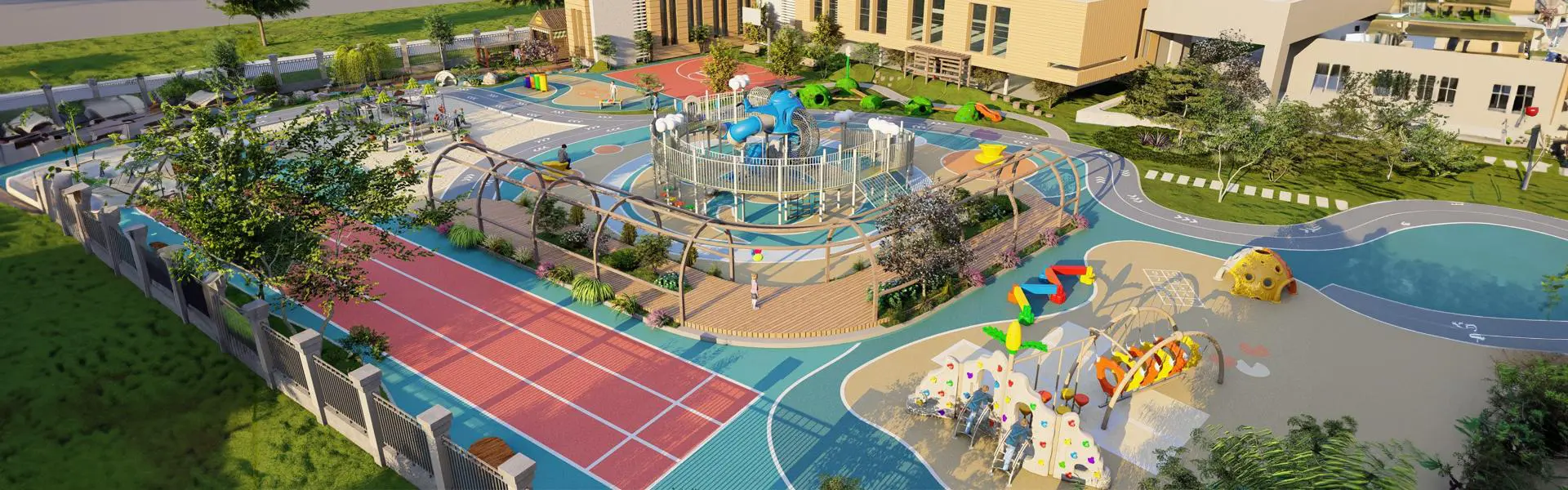
When it comes to keeping children entertained and active indoors, having the right playground equipment can make all the difference. Whether you are setting up a commercial playground or creating a fun space at home, choosing suitable children’s indoor playground equipment is crucial. Not only does it ensure hours of entertainment, but it also contributes to their physical development and well-being. This guide will help you navigate through the options and make an informed decision.
Safety First: Materials and Construction
Safety is paramount when selecting indoor playground equipment for children. Look for materials that are durable, non-toxic, and easy to clean. High-quality plastics, such as those meeting ASTM (American Society for Testing and Materials) standards, are often a good choice. Additionally, ensure that the construction is sturdy and free from any sharp edges or small parts that could pose choking hazards.
Age Appropriateness
Children of different age groups have varying developmental needs and interests. For toddlers, consider soft play areas with foam mats, soft climbing structures, and interactive panels. These help develop motor skills while minimizing injury risks. Preschoolers might enjoy slides, tunnels, and ball pits that encourage exploration and social interaction. School-age children may benefit from more complex structures like multi-level climbing frames, balance beams, and obstacle courses that challenge their agility and coordination.
Educational and Sensory Equipment
Incorporating educational elements into your indoor playground can be both fun and beneficial for children’s cognitive development. Look for equipment that includes alphabet and number panels, color sorters, and shape sorters. Sensory equipment such as tactile walls, light-up features, and sound effects can enhance sensory experiences and keep kids engaged.
Customization and Space Efficiency
Indoor spaces can sometimes be limited, so it’s important to choose equipment that maximizes the available area without overcrowding. Modular playground sets are excellent because they can be customized to fit the dimensions of your room. Wall-mounted units, which include climbable structures and activity panels, are great for saving floor space.
Maintenance and Longevity
Regular maintenance is key to ensuring that playground equipment remains safe and enjoyable over time. Choose equipment made from materials that are resistant to wear and tear. Cleanliness is equally important; select items that are easy to sanitize. A good quality cover can protect outdoor equipment from weather damage if used in an area that has access to the outdoors.
Budget Considerations
While it’s tempting to go for the most extravagant setup, staying within your budget is essential. Prioritize must-have items that offer the best value in terms of durability and versatility. Sometimes investing a bit more in high-quality equipment can save money in the long run by reducing replacement costs.
Top Picks for Children’s Indoor Playground Equipment
Soft Play Sets: Perfect for toddlers, these sets come with padded floors, soft shapes, and small slides. They offer a safe environment for young children to explore and play.
Climbing Walls: Suitable for various age groups, climbing walls help develop motor skills and build confidence. Some models even come with built-in puzzles and games to keep kids mentally engaged.
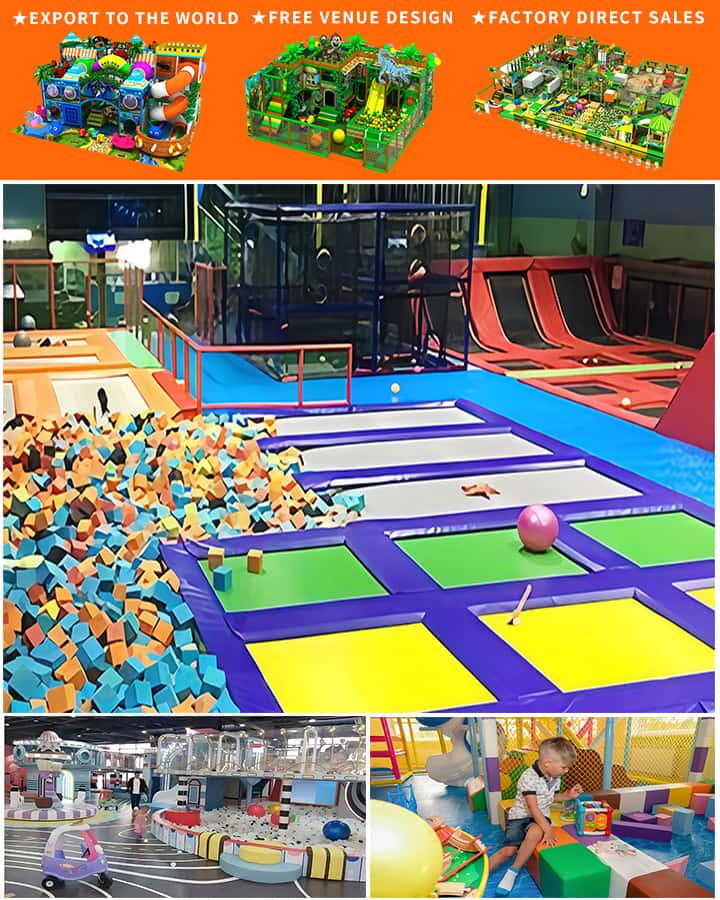
Ball Pools: A hit among children of all ages, ball pools provide endless fun and physical activity. Ensure the balls are made of non-toxic materials and the pool structure is stable.
Interactive Panels: These panels feature musical instruments, gears, and buttons. They are great for stimulating curiosity and creativity in young minds.
Trampolines: Ideal for burning off energy, trampolines are not just fun but also excellent for improving coordination and balance. Make sure to get one with safety enclosures to prevent falls.
Final Thoughts
Selecting the right children’s indoor playground equipment requires careful consideration of safety, age appropriateness, educational value, space efficiency, maintenance, and budget. By prioritizing these aspects, you can create a delightful indoor play area that keeps children active, entertained, and learning. Happy playing!