
When it comes to entertaining young children, nothing beats the joy and excitement of soft play equipment. From inflatables to foam pits, these installations are designed to provide endless hours of fun while ensuring safety. In this article, we will delve into the essential aspects of children’s soft play equipment, guiding you through the selection process to make an informed choice for your little ones or your business.
What is Children’s Soft Play Equipment?
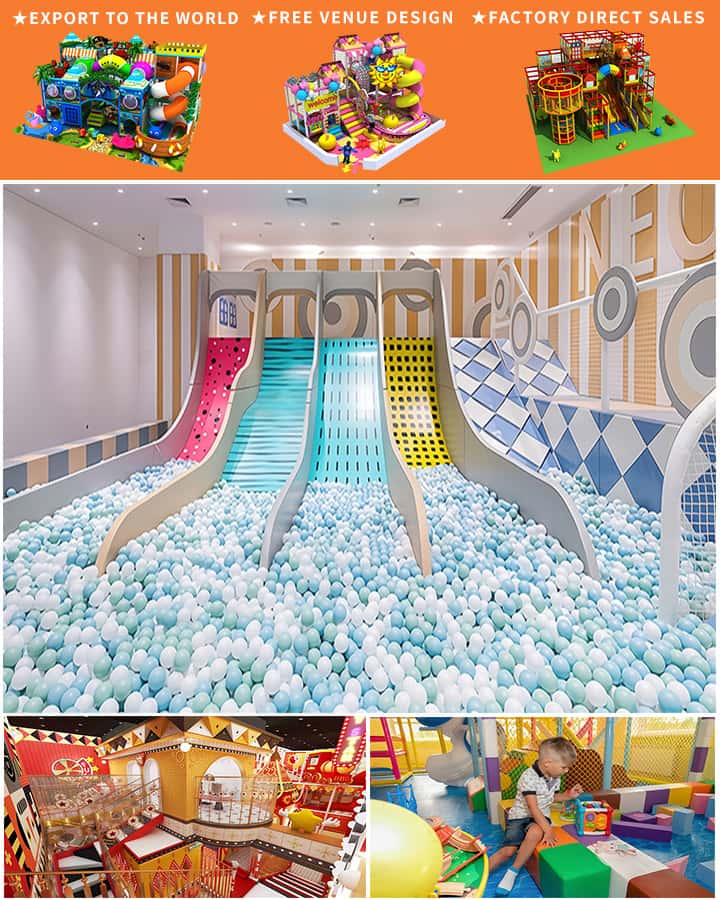
Children’s soft play equipment encompasses a variety of structures and items designed specifically for indoor playgrounds, daycare centers, preschools, and even backyard setups. These typically include items like ball pits, climbing frames, obstacle courses, slides, and tunnels made from soft, durable materials such as foam, vinyl, or soft plastic. The primary goal is to offer a safe environment where kids can explore, play, and develop physical skills without the risk of serious injury.
Key Benefits of Soft Play Equipment
Safety: One of the most significant advantages of soft play equipment is its emphasis on safety. The materials used are soft and cushioned, minimizing the risk of injuries from falls or collisions. This makes it ideal for young children who are still developing their motor skills.
Physical Development: Soft play areas encourage physical activity, helping children build strength, coordination, and balance. Climbing, jumping, and navigating through obstacles contribute to gross motor skill development.
Social Interaction: These play areas often facilitate social interaction among children. Sharing space and playing together help develop social skills, cooperation, and teamwork.
Cognitive Growth: Many soft play setups include elements that challenge children’s minds, such as puzzles integrated into climbing walls or interactive panels. These activities promote cognitive development and problem-solving skills.
Parental Peace of Mind: Knowing that their children are playing in a safe and controlled environment allows parents to relax and enjoy watching their kids have fun.
Types of Soft Play Equipment
Inflatables: Bounce houses, inflatable slides, and obstacle courses are popular choices for both indoor and outdoor events. They are easy to set up and take down, making them versatile for various settings.
Foam Pit Areas: Foam pits filled with soft foam blocks or cubes are perfect for tumbling, rolling, and roughhousing. They provide a cushioned landing area for jumps and flips.
Interactive Soft Play Sets: These often feature built-in games and activities, like mini basketball hoops, gear wheels, and sensory walls, combining fun with learning experiences.
Climbing Frames and Slides: Structured sets that include ladders, tunnels, bridges, and slides encourage imaginative play and physical exertion.
Tunnels and Obstacle Courses: These foster exploratory play and physical agility, allowing children to crawl through tunnels and navigate around obstacles.
Factors to Consider When Choosing Soft Play Equipment
Safety Standards: Always ensure that the equipment meets national safety standards and certifications. Look for non-toxic materials and secure construction to prevent accidents.
Age Appropriateness: Choose equipment suitable for the age group of the children using it. Some items may be too challenging or unsafe for younger kids, while older children might outgrow simpler setups quickly.
Space Requirements: Measure the available space carefully before purchasing or installing equipment. Ensure there is enough room for the equipment and safe surroundings to prevent collisions with walls or other objects.
Durability and Maintenance: Opt for high-quality materials that can withstand heavy use and are easy to clean and maintain. This ensures longevity and continued safety.
Budget: Determine a budget beforehand and look for options that offer the best value within your price range. Remember, investing in quality equipment can save costs in the long run by reducing the need for frequent replacements.
Educational Value: If the equipment will be used in educational settings, consider items that offer developmental benefits, such as those enhancing motor skills or promoting creativity.
Conclusion
Investing in quality children’s soft play equipment can create a safe, stimulating, and enjoyable environment for kids to play in. By considering factors such as safety, appropriateness for age, space, durability, and budget, you can select the best options for your needs whether you’re setting up a home play area or managing a commercial play center. Ultimately, the right soft play equipment will not only bring joy and excitement to children but also contribute positively to their physical and cognitive development