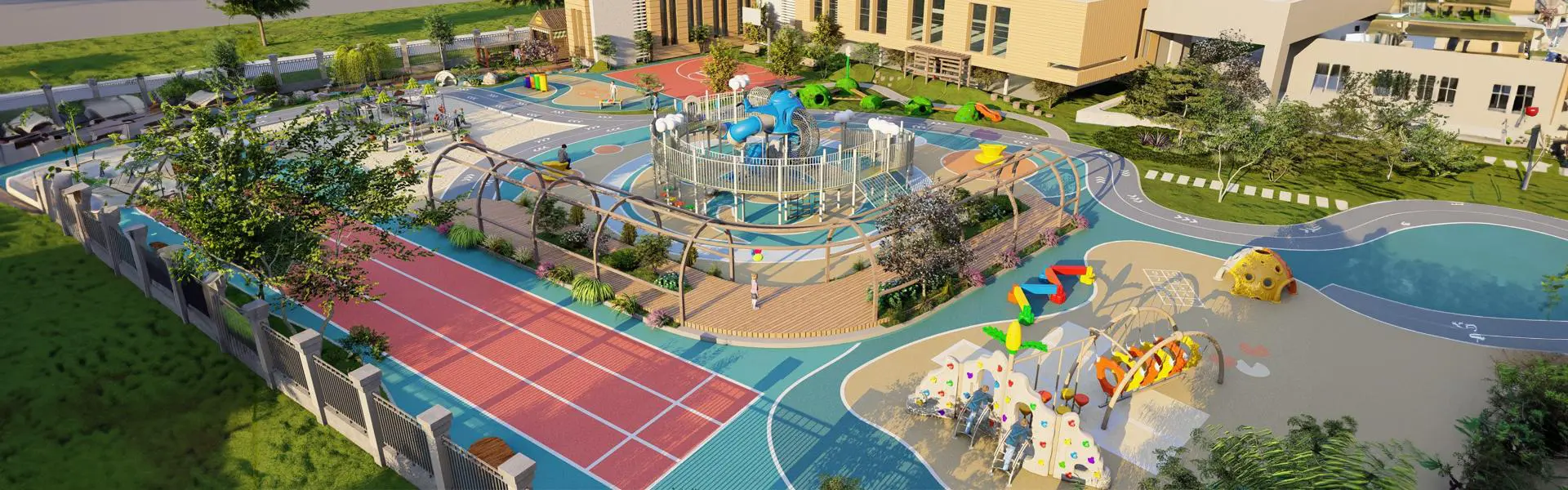
When planning to install a playground, one of the critical considerations is understanding the price of playground equipment. The cost can vary widely based on several factors, including the type of equipment, materials used, brand, and even the intended age group. This article delves into the various elements influencing the cost of playground equipment and offers guidance on making informed purchasing decisions.
Types of Playground Equipment
Playground equipment encompasses a wide range of structures and items designed for children’s play and recreational activities. These include swings, slides, climbing frames, seesaws, merry-go-rounds, sandboxes, and interactive installations like musical instruments or educational games. Each type comes with its own price range and set of considerations.
Swings and Slides
Swings and slides are among the most common pieces of playground equipment. Basic models might start at a few hundred dollars, but prices can soar depending on the material (plastic vs. metal), design complexity, safety features, and brand reputation. For instance, commercial-grade, all-weather swings and slides designed for public parks can cost several thousand dollars each.
Climbing Frames and Playsets
Climbing frames and playsets combine multiple types of equipment such as ladders, tunnels, rope bridges, and platforms. Their prices depend heavily on size, intricacy, and durability. Simple climbing structures suitable for home use may retail for a few hundred dollars, whereas larger, more elaborate commercial installations can reach upwards of ten thousand dollars or more.
Materials and Durability
The materials used in playground equipment significantly impact both cost and longevity. Common materials include:
- Plastic: Affordable and lightweight, ideal for home playgrounds but less durable under heavy use.
- Metal (Steel or Aluminum): More expensive than plastic, offering greater strength and durability, especially when powder-coated or galvanized to resist rust.
- Wood: Often chosen for its aesthetic appeal, wood requires regular maintenance to prevent rot and decay, making it less common in high-traffic public playgrounds but a popular choice for home installations.
Brand and Reputation
Brand names and manufacturer reputations also affect the cost of playground equipment. Established brands with a history of quality and safety often charge higher prices due to their reliability and adherence to stringent safety standards. While opting for a lesser-known brand may save money upfront, it could lead to higher maintenance costs or replacement expenses down the line.
Age Group Considerations
The target age group for which the playground equipment is intended is another crucial factor affecting price. Equipment designed for toddlers tends to be smaller and less complex, hence cheaper compared to structures meant for older children, which often need to withstand more rigorous use and may include safety features like padded surfaces or higher weight capacities.
Installation and Maintenance Costs
Purchasing playground equipment is just one part of the equation; installation and ongoing maintenance are additional costs to consider. Professional installation ensures that the equipment is correctly assembled and safely anchored, preventing potential injuries. Moreover, routine maintenance such as cleaning, inspecting for wear and tear, and repairing damaged parts can extend the lifespan of the playground and maintain a safe environment.
Conclusion
The price of playground equipment spans a broad spectrum influenced by type, materials, brand, target age group, and additional installation and maintenance costs. While budget constraints are an inevitable part of any purchase decision, prioritizing quality and safety can offer better value in the long run. By understanding these factors and conducting thorough research, buyers can make informed choices that balance affordability with the needs of children and communities. Investing in well-designed, durable playground equipment not only provides years of enjoyment but also promotes physical activity, social interaction, and overall well-being for young ones.