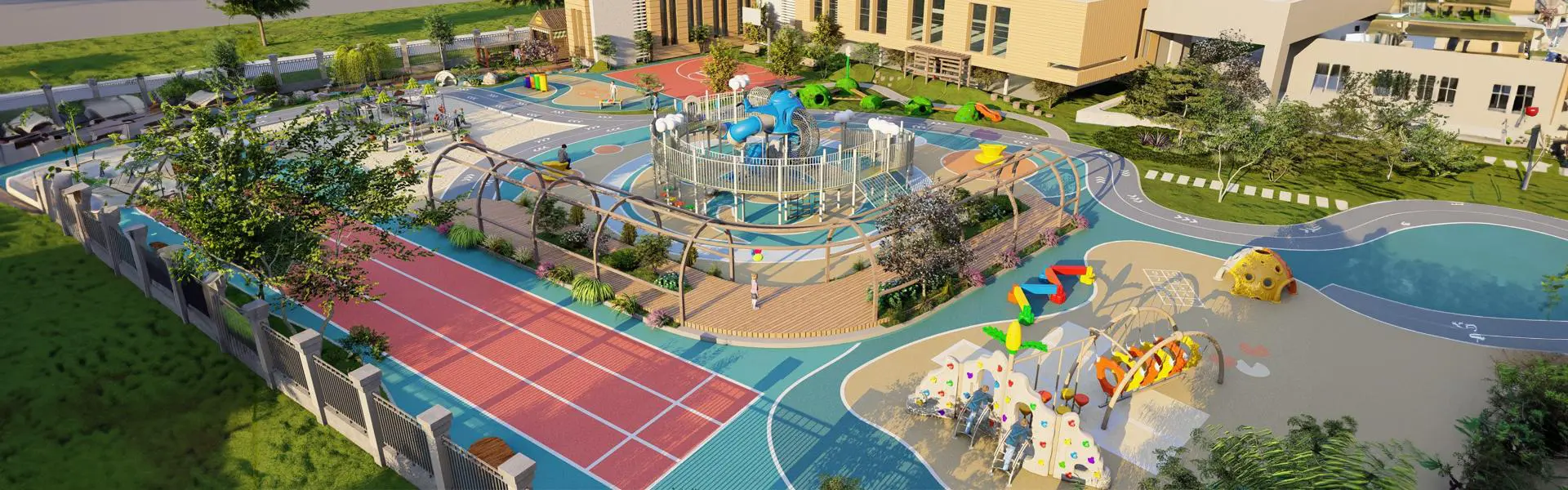
When planning a playground for children, one of the most critical factors to consider is the cost of playground equipment. While it might seem straightforward at first glance, there are numerous elements that contribute to the overall expense of creating a safe and engaging play environment. Understanding these costs can help in making informed decisions to ensure the best value for money and the highest safety standards.
Initial Investment
The initial investment in playground equipment can vary significantly based on several factors such as size, quality, and type of equipment. Basic playgrounds with simple structures like swings, slides, and seesaws may cost anywhere from \(5,000 to \)20,000. More intricate playgrounds featuring climbing frames, tunnels, and multi-purpose play areas might set you back between \(50,000 and \)100,000. For specialized playgrounds equipped with inclusive features for children with disabilities or those designed for specific age groups, the costs can escalate further.
Quality and Safety Standards
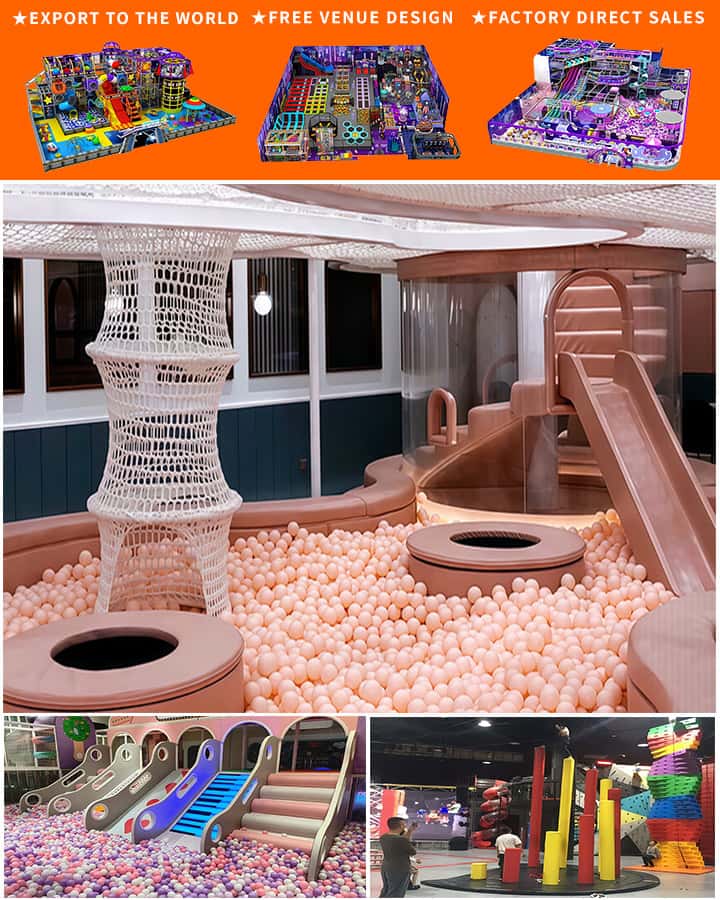
Investing in high-quality, durable materials and certified playground equipment is imperative for ensuring longevity and safety. Premium equipment often comes with certifications from organizations such as the American Society for Testing and Materials (ASTM) or the Consumer Product Safety Commission (CPSC), which guarantee compliance with strict safety standards. These certifications not only enhance safety but also provide peace of mind, though they do add to the upfront cost.
Installation Costs
While the price tag on playground equipment includes the cost of manufacturing and shipping, installation costs must also be accounted for. Professional installation services are crucial to ensure the equipment is assembled correctly and securely anchored to prevent accidents. Installation fees can range from 10% to 25% of the equipment’s cost, depending on the complexity and scale of the playground.
Maintenance and Upkeep
The long-term maintenance of playground equipment is a significant consideration. Routine inspections, cleaning, and occasional repairs are essential to keep the equipment in good condition and safe for use. Allocating funds for ongoing maintenance is vital; neglecting this aspect can lead to higher costs down the line due to extensive damage or the need for early replacements.
Additional Features
Incorporating additional features such as safety surfacing (e.g., rubber mulch, wood chips, or poured-in-place surfaces) is essential to cushion falls and prevent injuries. The cost for these surfaces varies but generally adds a few thousand dollars to the total budget. Moreover, landscaping, seating areas, and shade structures can also enhance the playground experience but will increase the overall expenses.
Conclusion
The cost of children’s playground equipment is influenced by various factors including the types of equipment chosen, quality and safety standards, installation, and ongoing maintenance. While the initial investment might seem substantial, it is a worthwhile expenditure given its benefits in terms of children’s health, physical activity, and development. By understanding these costs and planning accordingly, stakeholders can create safe, enjoyable, and enduring playground environments for children.