When planning to set up an indoor playground, one of the crucial aspects to consider is the cost of the equipment. Understanding the expenses involved helps in budgeting effectively and ensuring that the investment brings a good return. This guide will break down various factors that affect the cost of indoor playground equipment, offering insights to help you make informed decisions for your venture.
Types of Indoor Playground Equipment
Indoor playgrounds can be equipped with a variety of structures and play items, including slides, climbing frames, ball pits, trampolines, interactive games, and more. Each type of equipment has its own price range:
- Climbing Frames and Play Structures:
- These are often the central feature of an indoor playground. Prices can vary significantly based on size, complexity, and materials used. Basic modular units may start around \(500, whereas elaborate custom designs could exceed \)5,000.
- Slides:
- Depending on height and design, slides can range from \(200 for simple models to over \)2,000 for larger, commercial-grade versions.
- Ball Pit Areas:
- Ball pits require not just the pit itself but also thousands of balls. The cost can range from \(300 for basic setups to over \)1,500 for deluxe versions with additional features like inflatable walls.
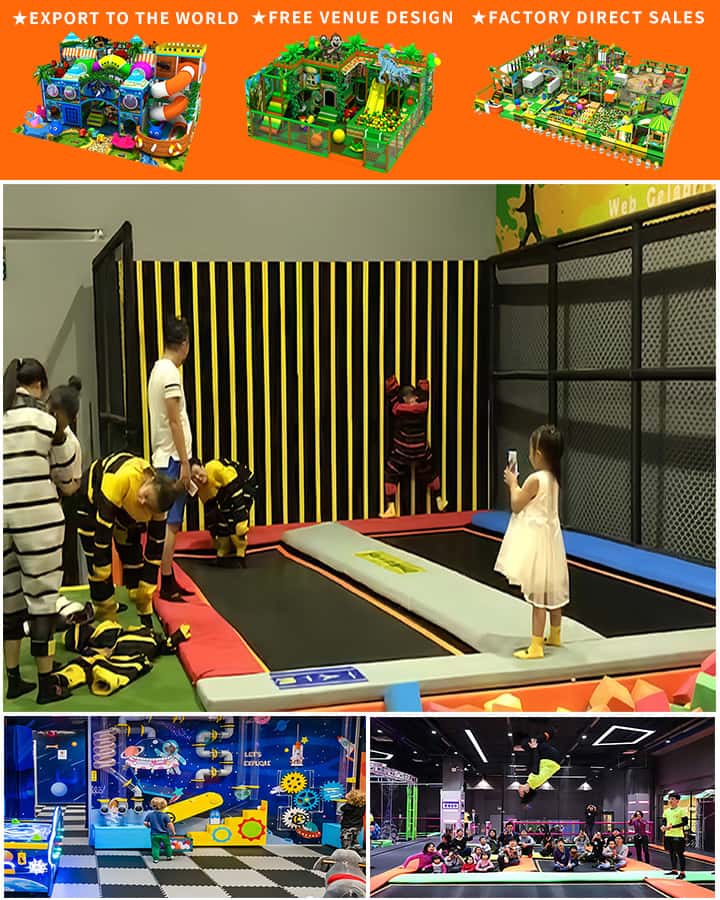
- Trampolines:
- Safety and durability are key here. Prices for indoor trampolines typically start at around \(500 for smaller units and can go up to \)4,000 or more for larger, professional-grade ones.
- Interactive Games and Rides:
- Interactive elements such as arcade games or ride-on toys can add to the appeal and engagement. Costs for these depend heavily on the type and technology involved, ranging from $800 to several thousand dollars per unit.
Factors Influencing Cost
Several factors influence the cost of indoor playground equipment:
- Material Quality:
- High-quality materials such as reinforced plastics and non-toxic finishes tend to be more expensive but offer better durability and safety.
- Customization:
- Customized equipment tailored to specific space requirements or themes will naturally cost more than standard, off-the-shelf products.
- Size and Complexity:
- Larger and more complex structures generally require more materials and labor, driving up costs.
- Safety Standards:
- Equipment meeting higher safety standards (such as those required in commercial settings) tends to be pricier due to stricter regulations and certifications.
- Brand and Manufacturer:
- Established brands with reputations for quality and reliability often charge a premium compared to lesser-known manufacturers.
Installation and Maintenance Costs
It’s important to factor in installation and ongoing maintenance costs when planning your budget. Professional installation ensures that equipment is set up correctly and safely, which can range from a few hundred to several thousand dollars depending on the complexity of the setup. Routine maintenance, including cleaning, inspections, and occasional repairs, is essential for longevity and safety, adding to the overall cost of ownership.
Conclusion
The cost of indoor playground equipment varies widely based on type, quality, and additional features. While initial expenses might seem high, investing in quality equipment ensures safety, durability, and greater customer satisfaction. Careful planning and budgeting, considering all potential costs including installation and maintenance, will help create a successful and sustainable indoor playground. By understanding these factors, you’ll be better prepared to make smart financial decisions that enhance the value and appeal of your indoor play area